Ultra Slim LED Display: Minimalism Behind Technology, Not Just “thin”
As a rational user who pays attention to the practical value and engineering logic of products, I am seldom tempted by the “appearance upgrade” of a technology. The same is true for the Ultra Slim LED Display. The first time I came across this term, I subconsciously thought it was just another gimmick of “looking better”. After all, what commercial display products compete on is performance and stability, not fashion design.
However, when I was actually involved in a project with extremely limited space and a very short installation timeline, the structural advantages of the Ultra Slim LED display screen began to emerge. After that, my opinion of it changed completely. This is not merely a “thin” appearance, but also a systematic reconstruction of the installation logic, maintenance methods and space efficiency.
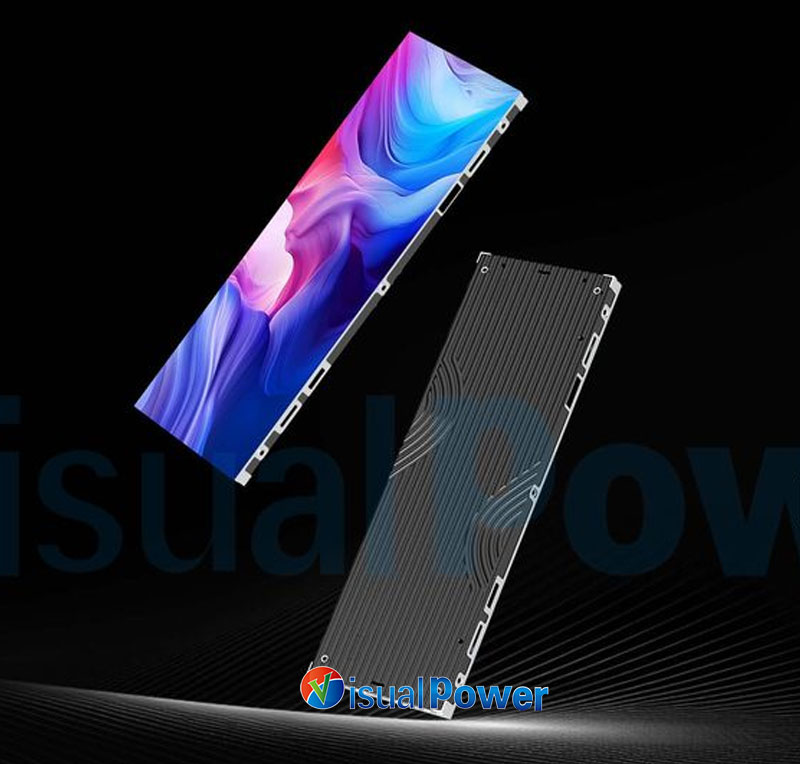
The appearance is “ultra-thin”, but the underlying structure is more compact
For a high-quality Ultra Slim LED screen, the thickness of the screen body is usually controlled within 20mm, and some even reach 17mm. Compared with the thickness of traditional leds, which is often 80mm, this design is obviously more spatially adaptable. But what truly attracts me is not the parameters themselves, but how this “thinness” is achieved.
It does not simply reduce the thickness of the material, but has made structural optimizations in multiple dimensions: power integration, fan removal, passive heat dissipation of aluminum alloy, modular magnetic mounting design… This integrated design not only compresses the volume but also reduces the failure points. Meanwhile, it almost achieves “maintenance from the front”, significantly reducing maintenance costs and wiring complexity.
In an actual installation, we only reserved 30mm of mounting space. Conventional screens simply couldn’t be embedded, while the ultra slim model fit perfectly. Not only did it avoid wall modification, but it also shortened the installation timeline by a full two days.
It won’t overshadow the main content but allows the content to be presented naturally
Rationally speaking, space comes at a premium. Any traditional LED screen will have a “presence” in the environment: it protrudes from the wall, the heat sink makes constant noise, and even the heat generated during operation affects the operation of surrounding equipment.
The Ultra Slim LED display screen is the opposite. It is wall-mounted and maintained from the front, eliminating the need for redundant space on the back cover. Visually and physically, it becomes “invisible”. For instance, in a modern minimalist corporate hall, I witnessed with my own eyes a super-thin LED screen embedded in a stone wall. From a distance, it was almost imperceptible and only “appeared” when content was being played.
This made me realize that it was not merely doing “display”, but participating in the spatial design language. Especially in high-end commercial spaces or brand showrooms, this ability to be subtle and unobtrusive is actually the greatest active advantage.
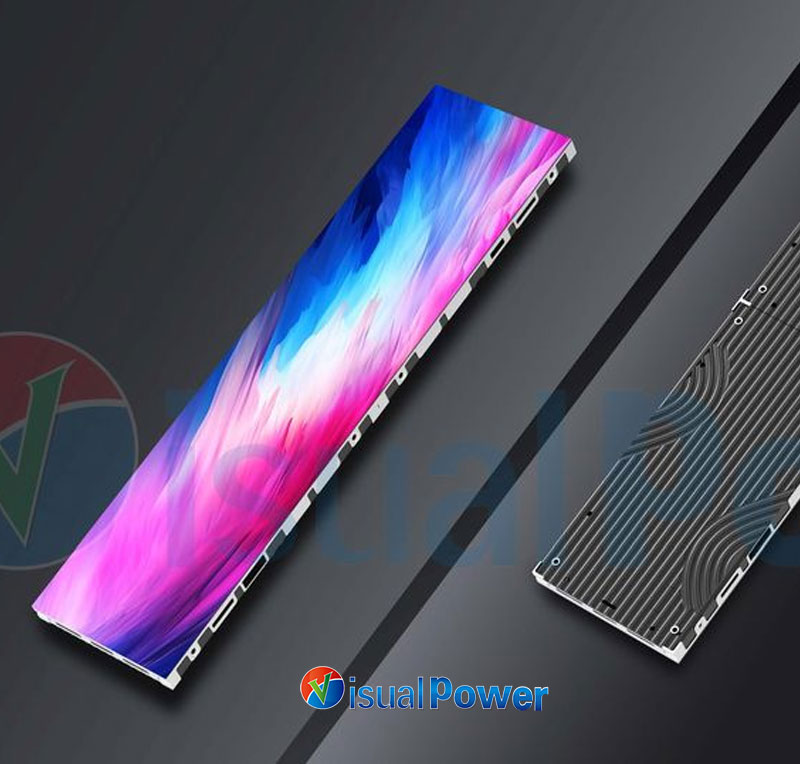
Stability and display performance have not been sacrificed
My initial concern was: Making it so thin, does it mean that the performance has been compressed? But the actual test completely dispelled this doubt.
High-end ultra slim models generally support a refresh rate of 3840Hz or even higher, with almost no trailing in the picture. They are suitable for high-dynamic content scenarios such as XR virtual shooting and interactive demonstrations. The brightness, grayscale and color consistency have also reached a relatively high level among the LED screens I tested, and the seams between the panel seams are almost invisible.
Once, we continuously ran an ultra-thin screen for 72 hours to play the exhibition hall’s guided tour content in a loop. As a result, there were no dead spots, screen flickering or brightness attenuation at all. Under the same working conditions, an old-fashioned conventional LED screen began to overheat locally due to a fan failure and had to be replaced temporarily.
After the stability verification, I began to believe that such products do not merely exist for the sake of visual lightness and thinness; they have a solid system-level design behind them.
The types of projects it is suitable for are very clear
When rationally evaluating the value of equipment, I do not only look at the parameters, but also at the compatibility. Ultra Slim LED is not a “universal solution”, but it is almost an ideal solution in the following scenarios:
First of all, there is the retail space, especially the high-end brand stores. Here, aesthetics and details are extremely sensitive. The ultra-thin borderless LED screen can blend into the environment to the greatest extent, enhancing the brand’s texture without overshadowing the main feature.
Secondly, there are commercial office spaces such as the lobby and meeting rooms of enterprises. They usually require a short installation timeline and neat spatial wiring. The quick-installation design and front maintenance function of Ultra Slim LED precisely solve the practical pain points in such high-frequency usage areas.
Let’s take a look at XR shooting or virtual production scenarios. These applications have extremely high requirements for picture stability and refresh rate. Ultra Slim leds generally support a refresh rate above 3840Hz, which can effectively avoid trailing or video interference and become an ideal background wall for shooting.
Cultural display spaces such as exhibition halls and museums pay more attention to the “invisibility” of equipment while highlighting the content. The Ultra Slim LED screen is thin and light, with high color consistency. It can blend naturally into the exhibition environment without disrupting the overall visual language.
In addition, at temporary exhibitions or brand pop-up events, high requirements are placed on the portability, modularity and rapid deployment of the equipment. The lightweight structure and convenient assembly ability of Ultra Slim LED perfectly meet the requirements of short-term and high-efficiency exhibition setup.
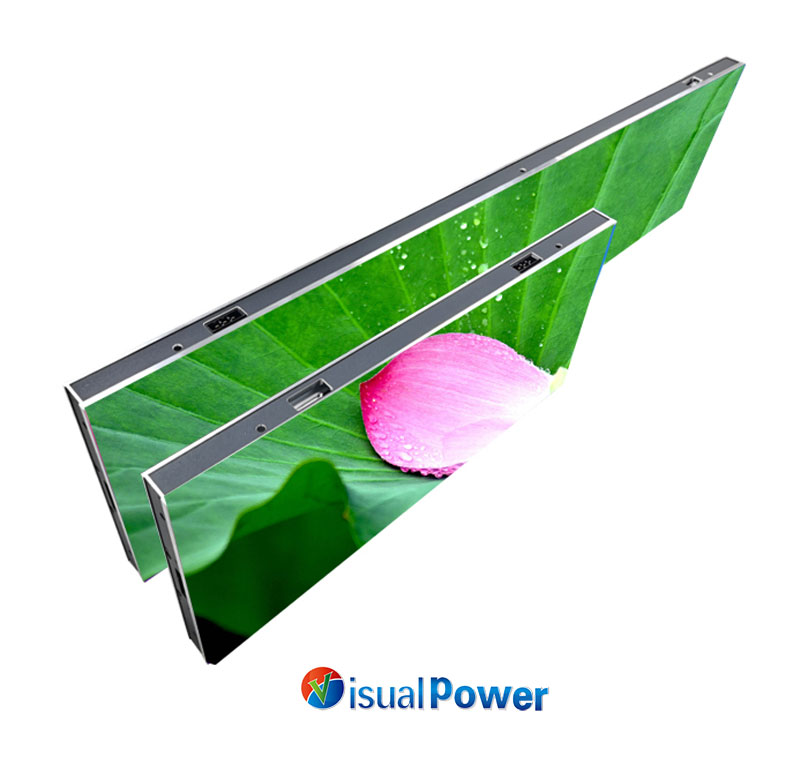
Measure its true value with numbers
I’m not the kind of person who can be moved by design language. When making decisions, I pay more attention to the efficiency and cost at the digital level.
Take a real case for example. During the installation of a traditional LED screen, a three-person team spent two days completing the splicing and debugging of 25 square meters. For the ultra slim screen of the same area, a two-person team could finish it in one day. The reason lies in its light weight, simplified structure, high integration of wiring, and the magnetic mounting design also makes the module splicing faster and more accurate.
In later maintenance, traditional screens usually require the entire panel to be disassembled for inspection, while ultra-thin leds support “front cover opening”, and single modules can be replaced at any time without affecting the operation of other areas. This is especially critical for high-usage environments.
Furthermore, although the initial cost is slightly higher, it saves installation costs, transportation volume (especially for international shipping), energy consumption and long-term maintenance budgets. Overall, during its five-year lifecycle, its cost performance is not inferior to that of traditional products; in fact, it is even better.
What it truly changes is actually the installation and design logic
Looking back, the “innovation” of the Ultra Slim LED Display does not lie in the display technology itself. Its resolution, brightness and color have not yet reached a revolutionary level, but it has transformed “display” from a heavy and passively installed device into a truly “design-friendly” content carrier.
It is the kind of product that the deeper you use it, the more you can appreciate the engineering wisdom within. It’s hard for you to be impressed by it at first sight, but with long-term use, it will become the type of system device with the least errors, the easiest to manage and the quietest service.
Conclusion: Making technology more “invisible” does not mean making it more complicated
Rational thinking tells me that the ultimate value of any technology lies in whether it solves the problem. The Ultra Slim LED display screen solves a seemingly simple but highly universal problem — how to display unlimited content in a limited space.
It is not thinness for the sake of “chasing thinness”, but rather achieves ultimate compression through system-level optimization on the basis of respecting the boundaries of practical engineering. For this reason, it is suitable for project environments with high requirements, frequent use and design sensitivity.
In the future, there may be lighter materials, higher resolutions and stronger integrated chips. But today, the Ultra Slim LED Display is the balance point I have found between rationality and efficiency.



 The LED Displays Everyone’s Asking About in 2026 (And Where They Work Best)
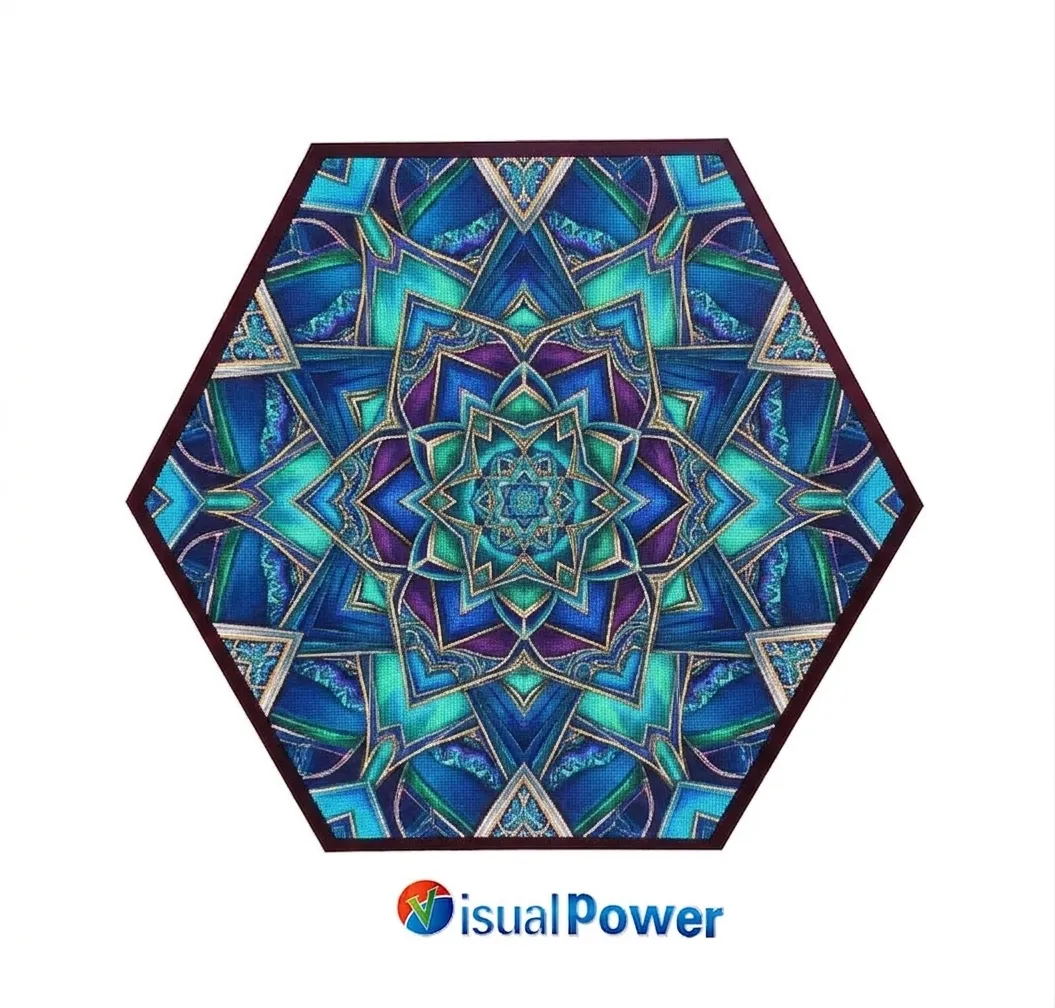 Hexagon LED Display: How Geometric Screens Are Transforming Modern Exhibitions
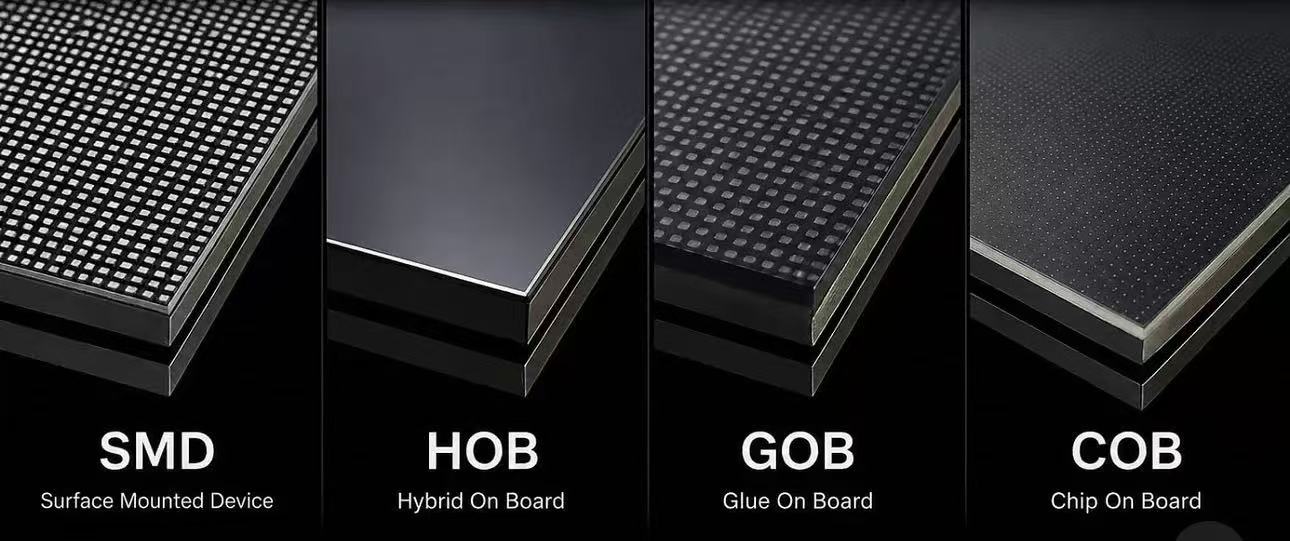 Difference of SMD GOB HOB COB LED display module
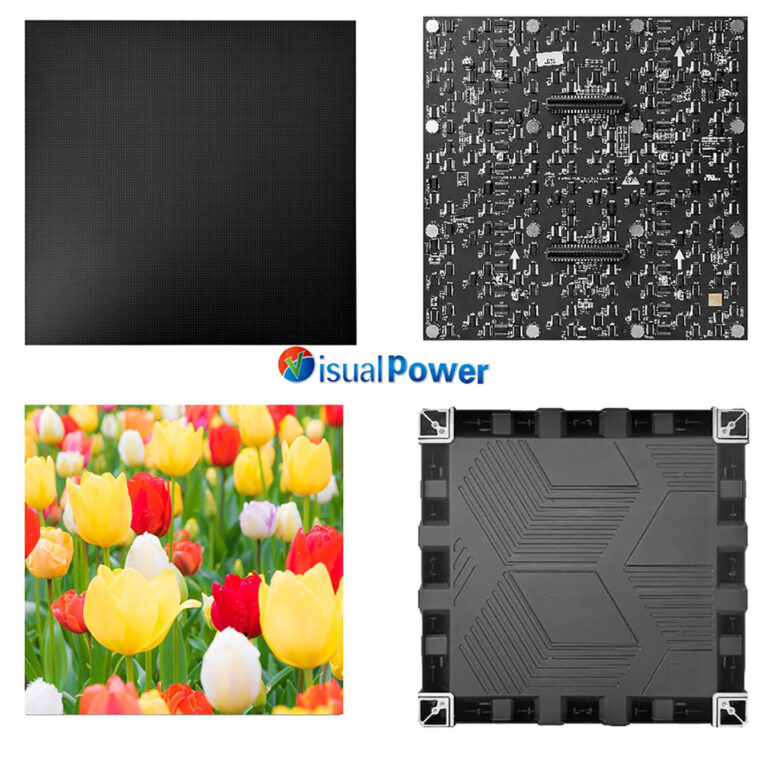 Why Museums Are Turning to Fine Pitch LED Displays for Better Visitor Engagement
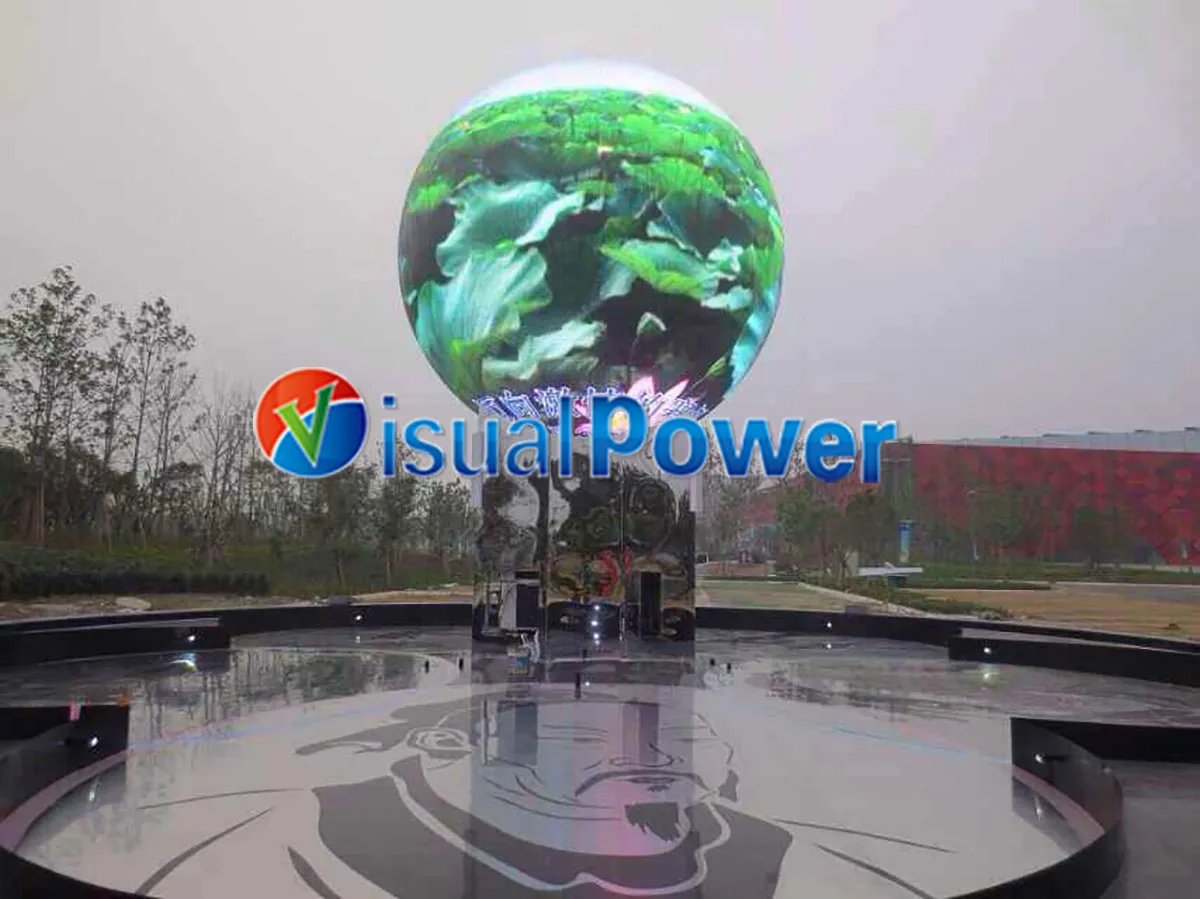 Sphere LED Display Industry Truths: Cost, Content, and Design Risks Explained

 Sales Manager