-
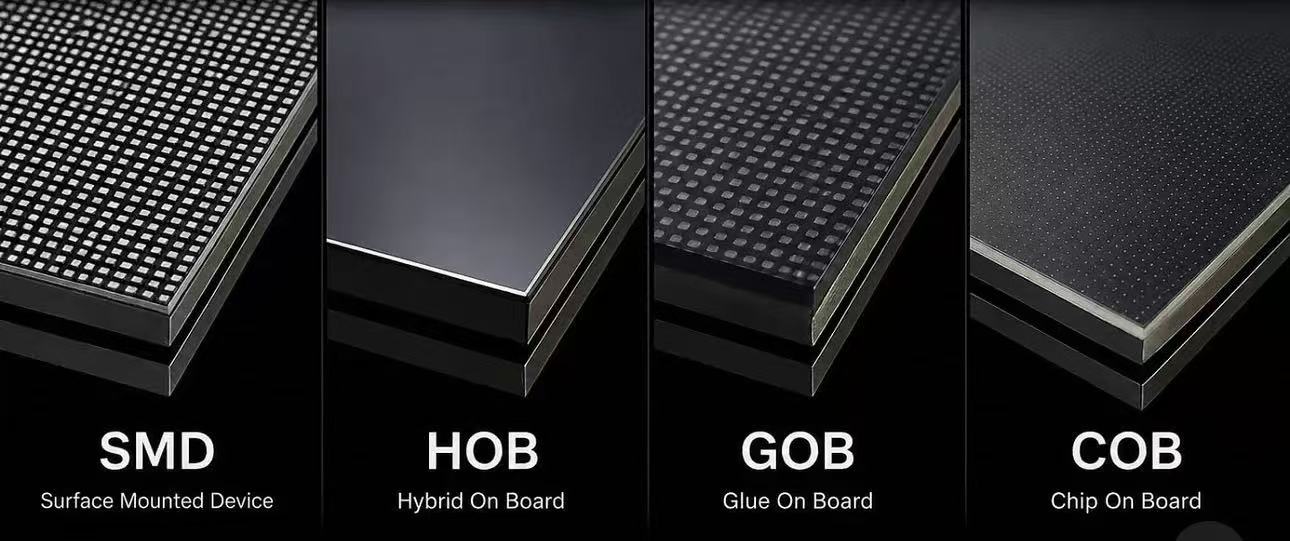
Structure: COB is a fundamental shift in packaging technology. Instead of using packaged SMD LED diodes, the bare micro-LED chips (red, green, and blue) are bonded directly onto the PCB substrate. The entire module is then encapsulated with a transparent resin layer.
-
Protection: Highest. Because there are no exposed brackets or solder pins, it is exceptionally robust against physical impact, moisture, and dust.
-
Pixel Pitch: Ideal for Ultra-Fine Pixel Pitch (typically below 1.5mm down to 0.4mm).
-
Pros: Offers a completely flat, seamless surface with a wider viewing angle, higher contrast, reduced moiré effect, and better heat dissipation. It provides a more comfortable, paper-like viewing experience at close distances.
-
Cons: Highest cost; color uniformity can be difficult to calibrate across different production batches; individual pixel repair is highly complex and usually requires specialized factory equipment.
| Feature |
SMD |
HOB |
GOB |
COB |
| LED Packaging |
Packaged Diodes |
Packaged Diodes |
Packaged Diodes |
Bare Micro Chips |
| Surface Finish |
Rough/Exposed |
Semi-exposed |
Completely Flat (Glue Layer) |
Completely Flat (Resin Layer) |
| Impact Resistance |
Low |
Medium |
High |
Very High |
| Water/Dust Proof |
Low |
Low-Medium |
High (IP65 Face) |
High |
| Best Pixel Pitch |
> 1.2mm |
> 1.2mm |
0.9mm – 2.5mm |
< 1.5mm (Ultra-fine) |
| Repairability |
Very Easy |
Moderate |
Difficult |
Very Difficult (Factory) |
| Relative Cost |
Low |
Low-Medium |
Medium |
High |



 The LED Displays Everyone’s Asking About in 2026 (And Where They Work Best)
 Hexagon LED Display: How Geometric Screens Are Transforming Modern Exhibitions
 Difference of SMD GOB HOB COB LED display module
 Why Museums Are Turning to Fine Pitch LED Displays for Better Visitor Engagement
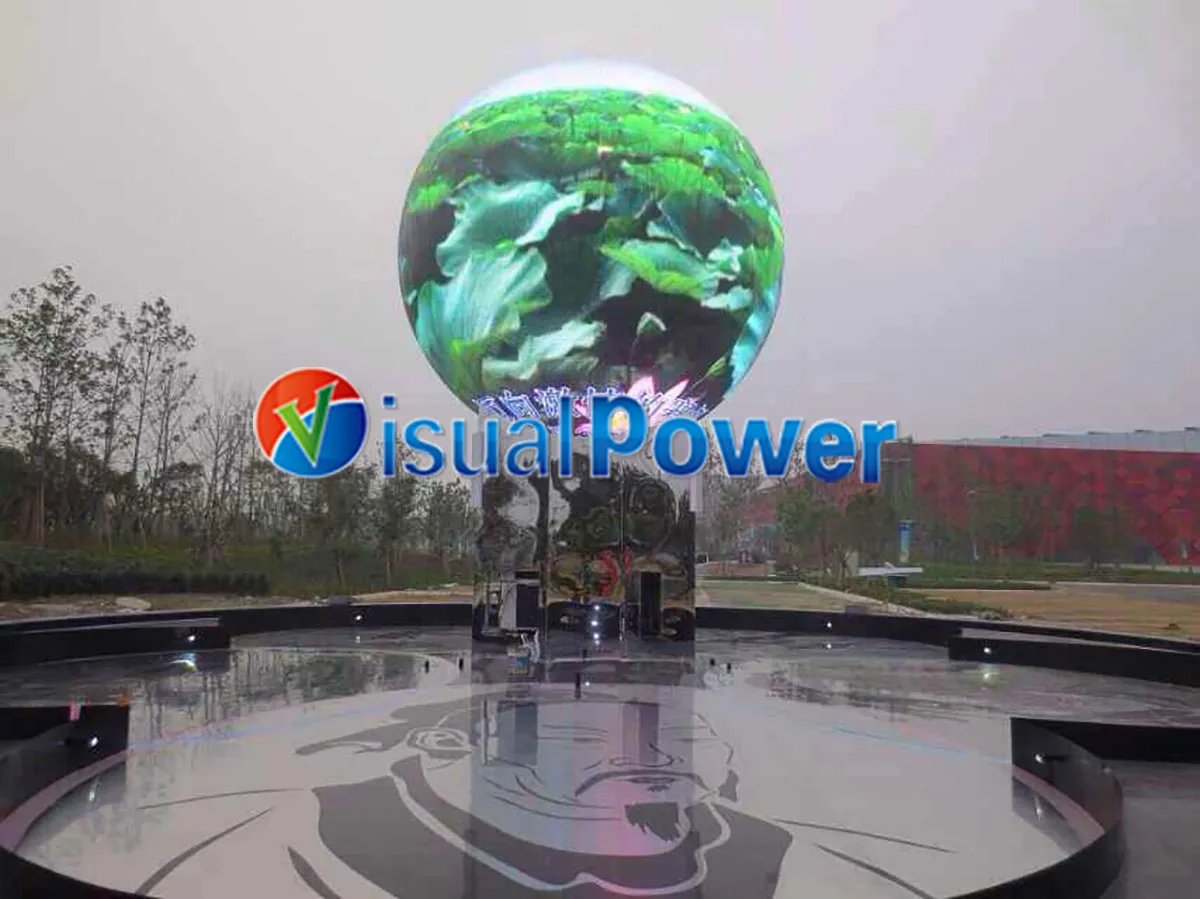 Sphere LED Display Industry Truths: Cost, Content, and Design Risks Explained

 Sales Manager