To be honest, if you had asked me ten years ago what the most important equipment in a museum was, I would probably have said it was the temperature and humidity control system, or security systems.
Now if you ask again, I might chuckle and say something like: “There’s also a screen that won’t disturb people but can make them stop and stay put.”
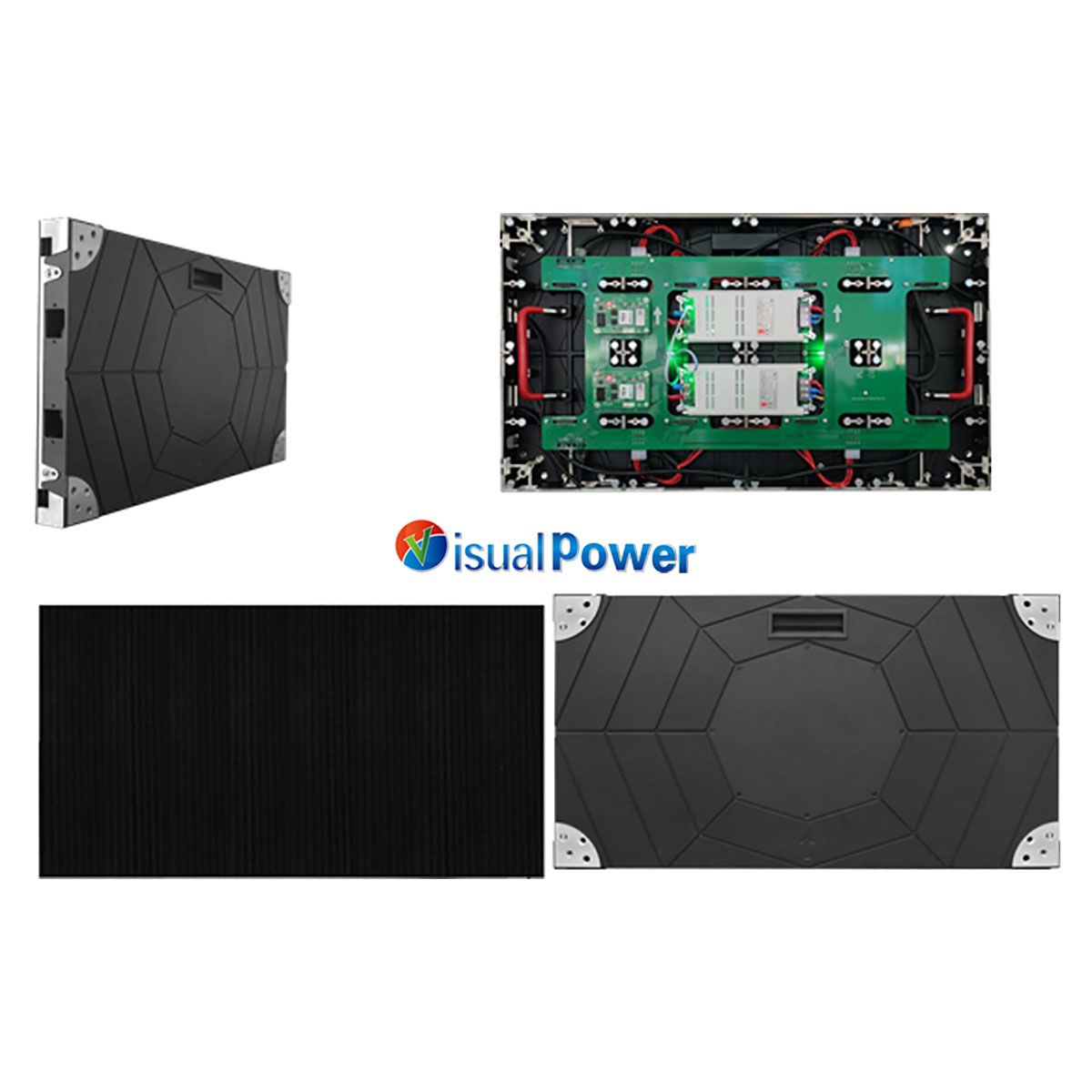
What I’m talking about is the “fine pitch LED display” . Don’t be intimidated by the name. In fact, you can think of it as – a wall that “looks almost like a regular wall” and is imperceptibly a screen.
My daily life, when put into words, might not be so “elegant”
Many people have some misunderstandings about the profession of “museum director”.
They thought I was doing this every day:
- Dressing in a suit to receive important guests
- Standing in front of a painting and talking about art history
- Or signing documents in the office
But the reality is —
I spend more time doing these things:
- Keep an eye on the humidity gauge to check if the reading fluctuates
- Argue with the lighting engineer about a difference of 0.5 in color temperature
- Crouch on the ground to see if the audience gets tripped by the lines
- Be complained about “The text is too small and hard to read”
Yes, the phenomenon of “not being able to see clearly” is more common than you might think.
And it really can ruin an otherwise excellent exhibition.
That jade pendant that made me lose face
I still remember that time.
A small exhibition featured a finely carved jade pendant.
To be honest, that thing holds significant weight in the industry.
So, what’s the result?
After watching it, a viewer asked me:
“What are the highlights of this thing?”
At that moment, I was stunned.
Because I knew its value, but I didn’t let him “see” it.
We have tried many methods:
- Enlarge the picture
- Make a video
- Write a longer description
The results were all average.
Until one of my friends who specialized in presentation technology (we usually make fun of him by calling him “the screen salesman”) told me:
“Can’t you give the fine pitch LED display a try?”
My first reaction at that time was:
“No, we are a museum, not a shopping mall.”
He said, “Don’t rush to reject it. Just take a look.”
The first time I saw it, I was a little impressed.
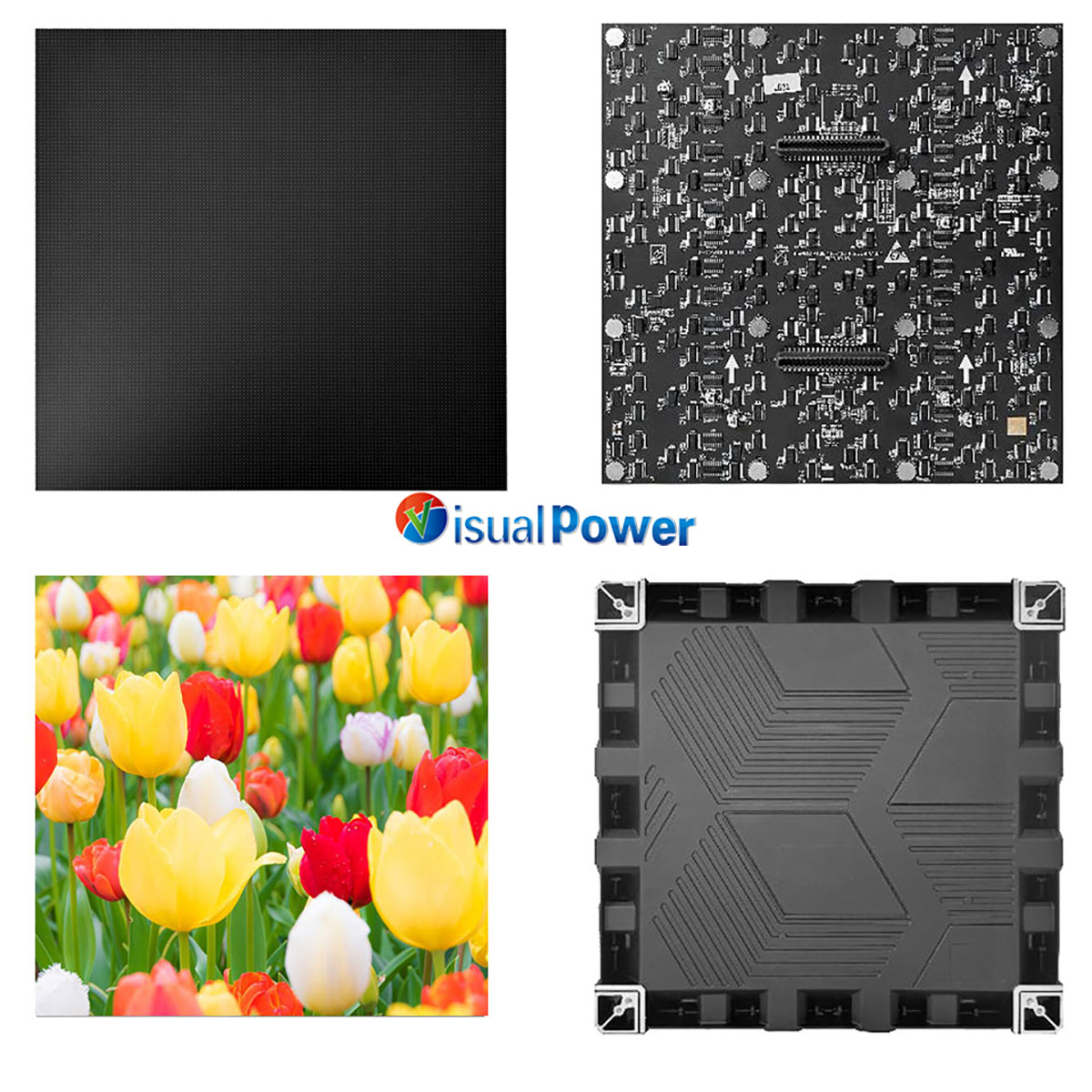
He took me to see a P1.2 screen.
I moved closer to take a look, even deliberately searching for the individual pixels.
Not found.
At that moment, there was only one thought in my mind:
“This thing, no matter how close the audience gets, it won’t affect the performance at all.”
Later, he explained to me what the parameters P0.9, P1.25, and P1.56 were.
Halfway through his speech, I interrupted him and said:
“Just tell me directly, can this thing enable people to see the details clearly?”
He said, “Yes, and it will make them stop.”
I have memorized this sentence.
We really gave it a try, and then things started to change.
We conducted a high-precision scan of that jade pendant, and then used a fine-pitch LED display to showcase the details.
There are no special effects and no showmanship.
It’s just magnification.
The result is quite interesting:
The audience began to stop.
Someone pointed at the screen and said, “It turns out that this was carved by hand.”
Some people would look at the screen, then go back to look at the actual object.
At that moment, I suddenly realized something:
We don’t lack content; we just haven’t placed the content in the right place.
What’s so great about this thing? In plain words, I say.
If you don’t want to listen to those technical terms, I’ll translate them for you:
Fine pitch LED display essentially means –
The pixels are extremely dense, and even when viewed closely, they won’t appear blurry.
It’s that simple.
But this “simplicity” is extremely crucial in our industry.
Because when viewers visit the exhibition, there are several key points:
- Like to get close
- Will pay attention to details
- Easily distracted
If the picture got blurry, they left.
You weren’t even given the chance to explain.
Once I almost made a “stupid decision”
Tell you something embarrassing.
At first, I thought: Let’s choose the smallest point spacing, P0.9, it must be the best.
Later, a friend who was working on a project came up to me and stopped me directly:
“Are you rich?”
I said, “No, but I don’t want to make a mistake.”
He said, “Then you definitely can’t make that choice.”
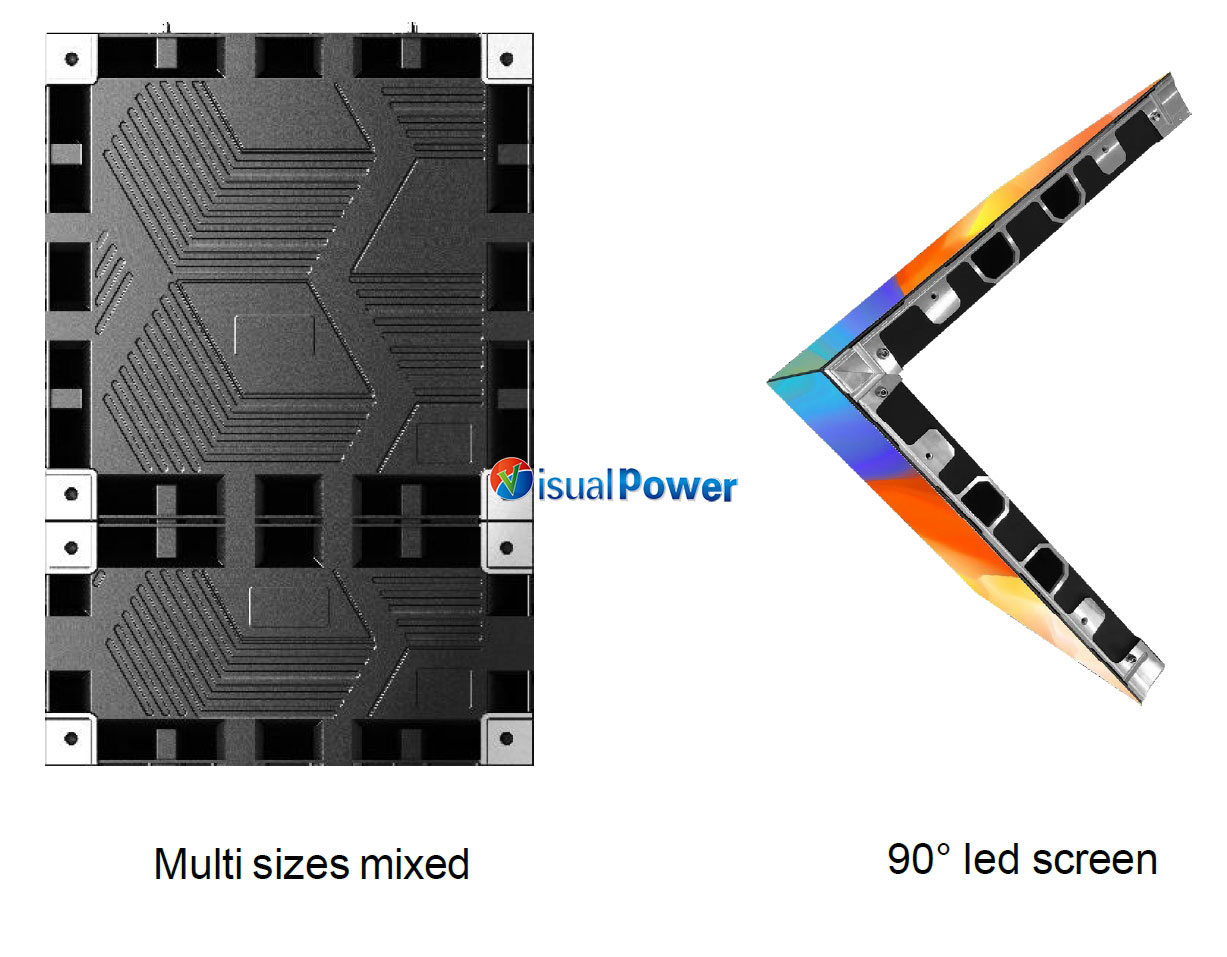
Later, we carefully calculated the distance from the audience and found that for some areas, a P1.5 lens would be sufficient.
At that moment, I finally understood:
It’s not about being more advanced; it’s about being more suitable.
Regarding “Visualpower“, one aspect that has changed my perspective
During that period, I read a lot of materials. To be honest, most of them were quite similar.
A bunch of parameters, after looking at them, I became even more confused.
But once I came across an explanation about the application of different spacing intervals, which was provided by Visualpower.
There is one aspect of it that left a deep impression on me:
It’s not saying “How powerful we are”,
but rather “How should you choose”.
For example:
- What is the appropriate distance for P1.2?
- In what scenarios is P0.9 not necessary?
- How to avoid over-configuration?
At that time, I joked with my colleagues:
“This way of speaking doesn’t seem like that of someone selling things; it’s more like that of someone who has actually been on the scene.”
Later, when we discussed the plan internally, we actually used it as a reference for our logic.
Over the past few years, my attitude towards “screens” has changed.
I used to be quite resistant to these things.
I always feel that it would damage the “atmosphere” of the exhibition hall.
But now I’m being a bit more realistic.
The audience has changed.
They are accustomed to high-definition, to detailed content, and to content with high information density.
If you don’t give it to them, they will leave.
For me, the fine-pitch LED display is not “a sense of technology”, but rather –
a more honest way of expression.
If you have something, just show it so that everyone can see it clearly.
If you ask me whether it’s worth it or not, I won’t give a direct answer.
But I can tell you about a scene.
One day, while I was on a tour of the venue, I saw two audience members standing in front of that screen discussing:
“Look at this pattern. Does it seem like it has been modified?”
“I think it was polished later.”
They discussed for three minutes.
No one was looking at their mobile phones.
At that moment, I stood there beside him, saying nothing.
But I know very well inside my heart:
This screen has already been worth its existence.
Finally, as a friend, I would like to remind you of this.
If you are also considering this kind of thing, I don’t intend to give you a bunch of suggestions.
I will only ask you three questions:
- Can your audience see clearly?
- Will they stop to think?
- Will they remember after they finish watching?
If you can’t answer any of these three questions –
then you really should take another look at your “presentation style”.
As for whether to use the fine pitch LED display –
that’s just a tool.
The key point is, are you willing to make the audience pay more attention?



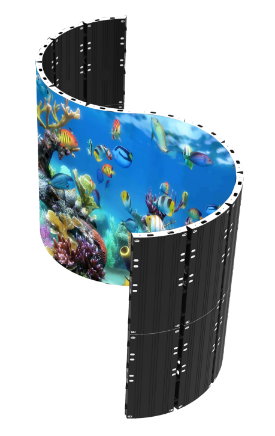 The LED Displays Everyone’s Asking About in 2026 (And Where They Work Best)
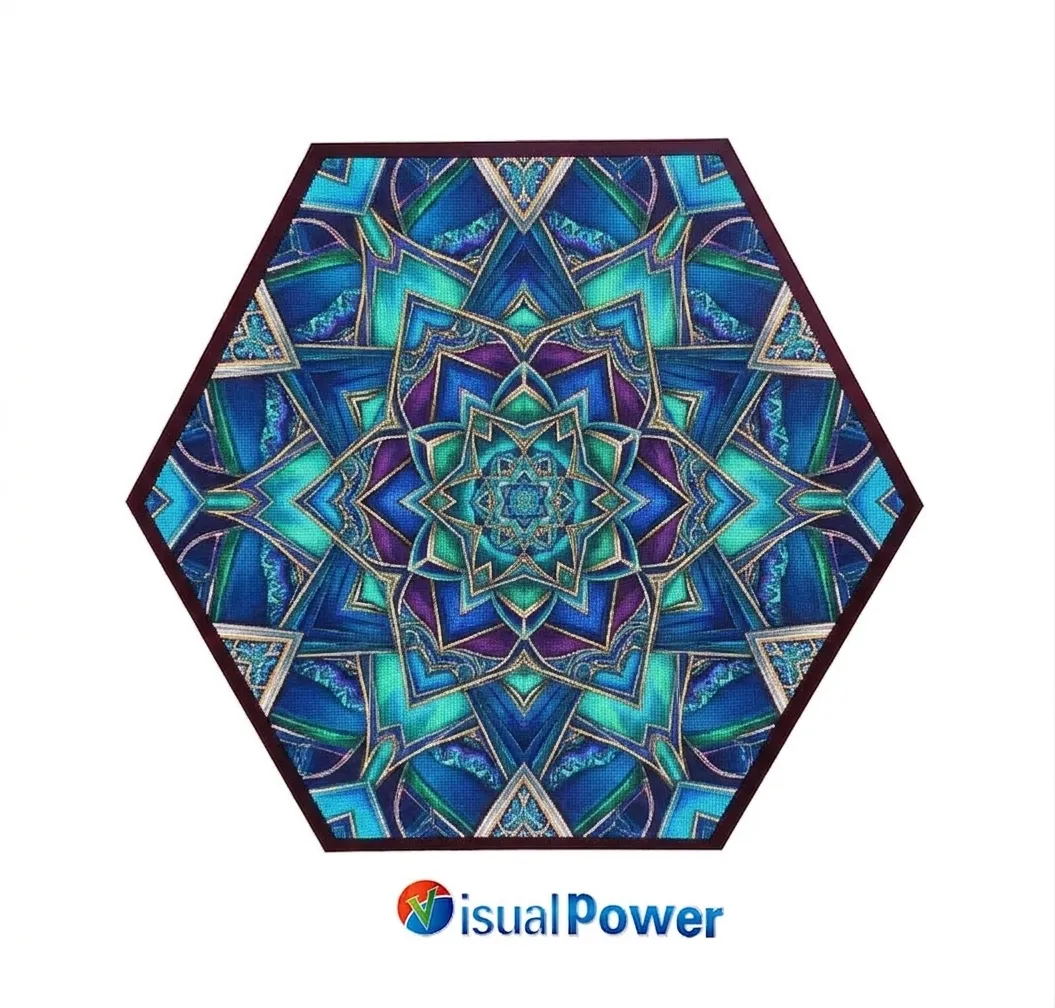 Hexagon LED Display: How Geometric Screens Are Transforming Modern Exhibitions
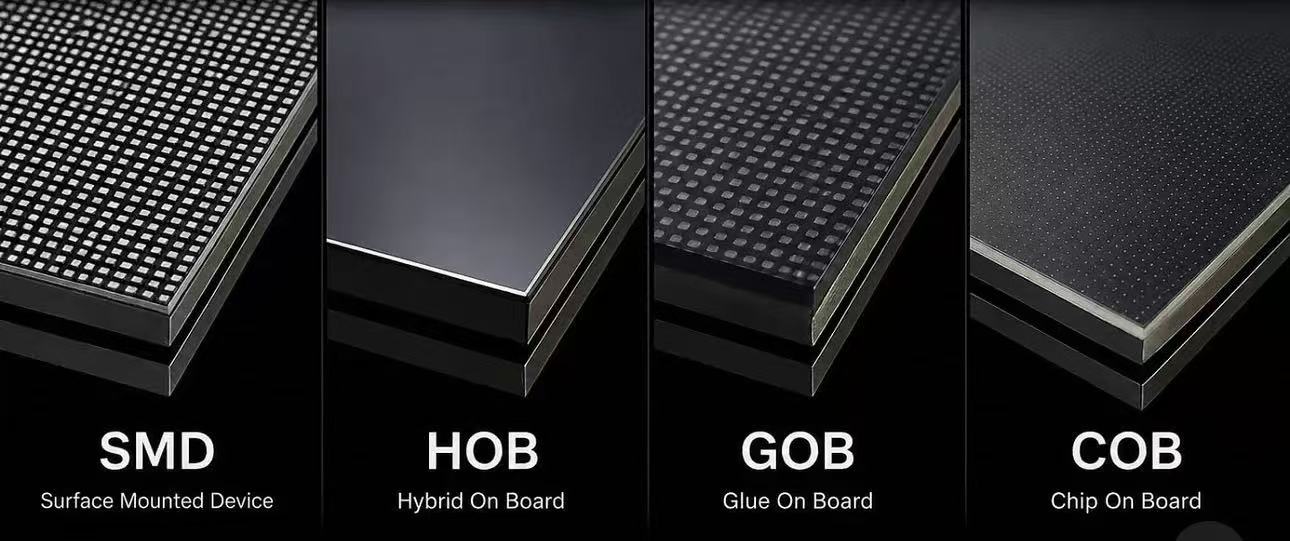 Difference of SMD GOB HOB COB LED display module
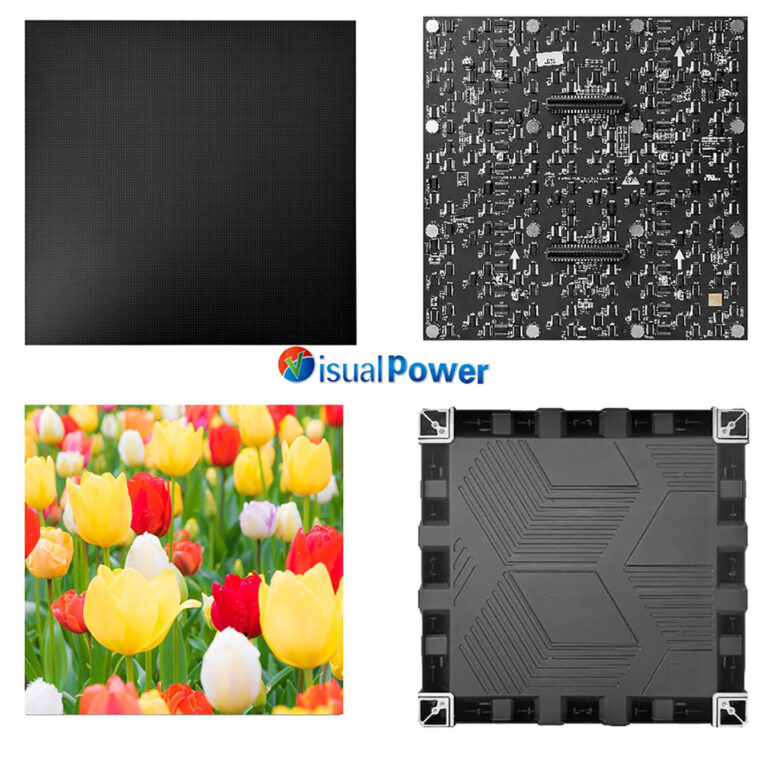 Why Museums Are Turning to Fine Pitch LED Displays for Better Visitor Engagement
 Sphere LED Display Industry Truths: Cost, Content, and Design Risks Explained

 Sales Manager