Para ser sincero, Si me hubieran preguntado hace diez años cuál era el equipamiento más importante de un museo, Probablemente habría dicho que era el sistema de control de temperatura y humedad., o sistemas de seguridad.
Ahora si preguntas de nuevo, Podría reírme y decir algo como: “También hay una pantalla que no molesta a las personas pero puede hacer que se detengan y se queden quietos.”
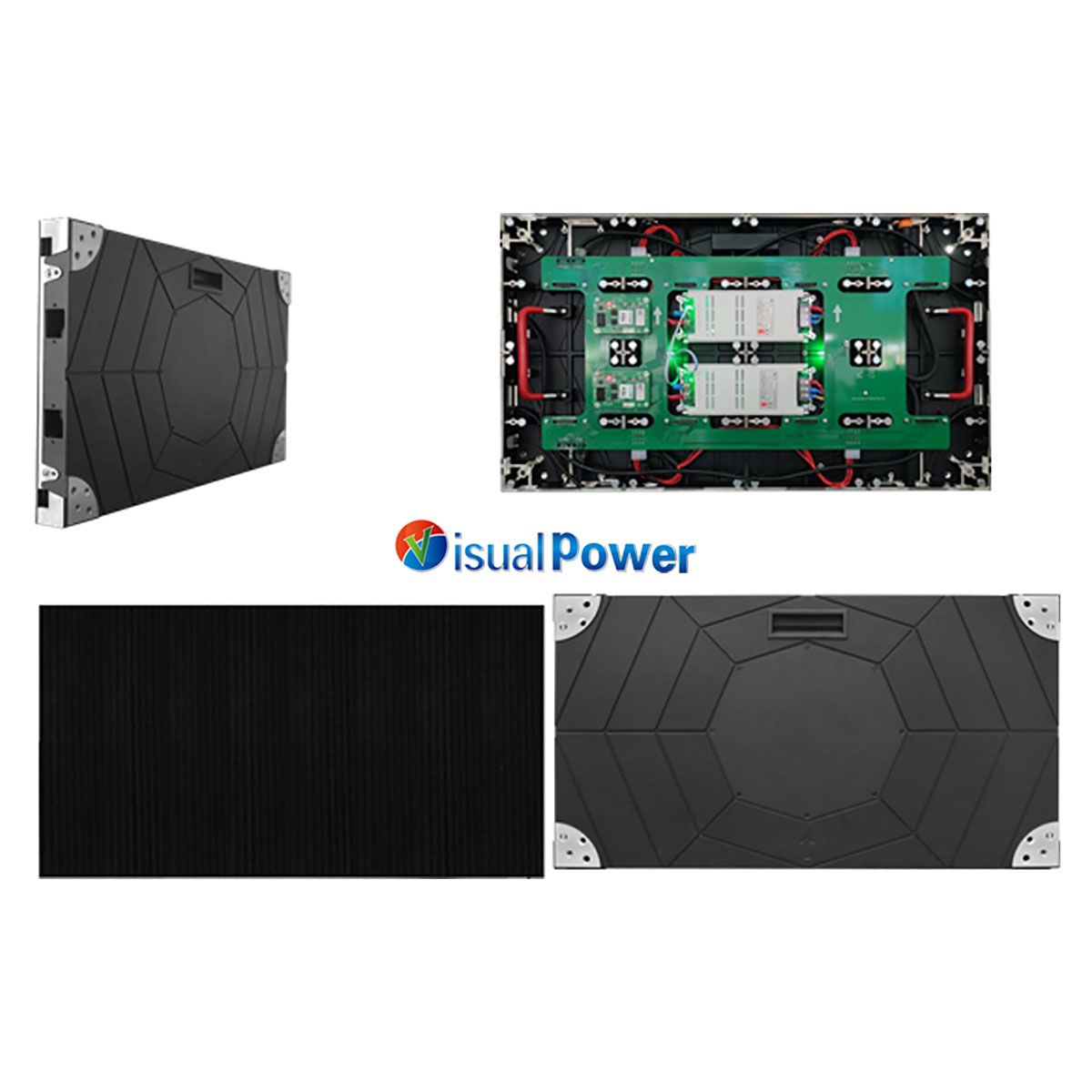
De lo que estoy hablando es de “pantalla LED de tono fino” . No te dejes intimidar por el nombre. De hecho, puedes pensar en ello como – una pared que “parece casi una pared normal” y es imperceptiblemente una pantalla.
mi vida diaria, cuando se pone en palabras, puede que no sea asi “elegante”
Mucha gente tiene algunos malentendidos sobre la profesión de “director del museo”.
Pensaron que estaba haciendo esto todos los días.:
- Vestirse de traje para recibir invitados importantes
- De pie frente a un cuadro y hablando de historia del arte.
- O firmar documentos en la oficina.
Pero la realidad es...
Paso más tiempo haciendo estas cosas:
- Esté atento al medidor de humedad para comprobar si la lectura fluctúa.
- Discute con el ingeniero de iluminación sobre una diferencia de 0.5 en temperatura de color
- Agáchate en el suelo para ver si las líneas hacen tropezar al público.
- ser reclamado “El texto es demasiado pequeño y difícil de leer.”
sí, el fenómeno de “no poder ver con claridad” es más común de lo que piensas.
Y realmente puede arruinar una exposición que de otro modo sería excelente..
Ese colgante de jade que me hizo perder la cara.
todavía recuerdo esa vez.
Una pequeña exposición presentaba un colgante de jade finamente tallado..
Para ser sincero, Esa cosa tiene un peso significativo en la industria..
Entonces, cual es el resultado?
Después de verlo, un espectador me preguntó:
“¿Cuáles son los aspectos más destacados de esta cosa??”
En ese momento, Estaba aturdido.
Porque sabía su valor, pero no lo dejé “ver” él.
Hemos probado muchos métodos.:
- Ampliar la imagen
- hacer un vídeo
- Escribe una descripción más larga
Los resultados fueron todos promedio..
Hasta que uno de mis amigos que se especializaba en tecnología de presentaciones (Normalmente nos burlamos de él llamándolo. “el vendedor de pantallas”) me dijo:
“¿No puedes probar la pantalla LED de paso fino??”
Mi primera reacción en ese momento fue:
“No, somos un museo, no es un centro comercial.”
el dijo, “No te apresures a rechazarlo. Sólo echa un vistazo.”
La primera vez que lo vi, estaba un poco impresionado.
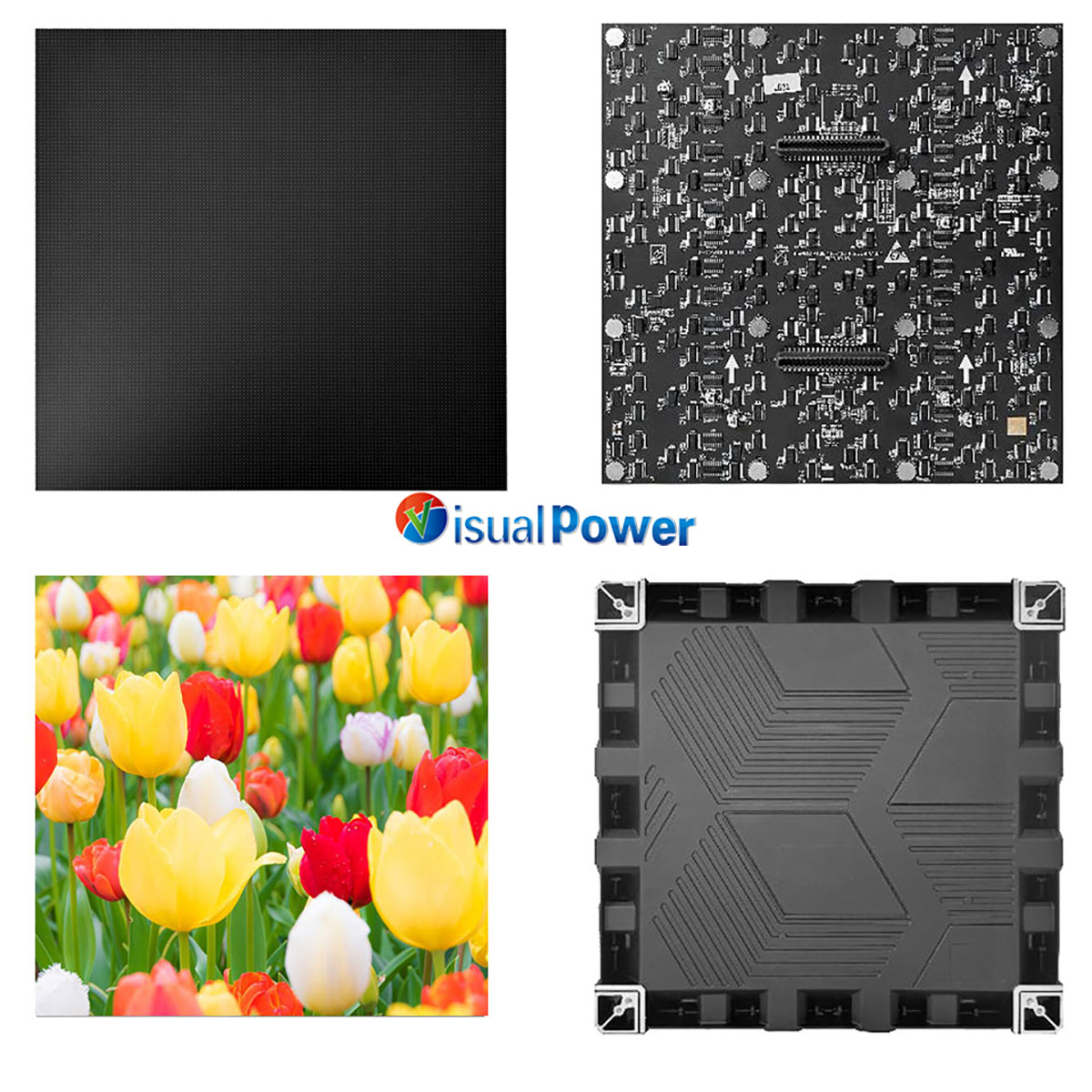
Me llevó a ver una pantalla P1.2.
Me acerqué para echar un vistazo., incluso buscando deliberadamente los píxeles individuales.
Extraviado.
En ese momento, solo habia un pensamiento en mi mente:
“esta cosa, no importa lo cerca que se acerque la audiencia, No afectará el rendimiento en absoluto.”
Más tarde, me explicó cuáles son los parámetros P0.9, P1.25, y P1.56 fueron.
A mitad de su discurso, Lo interrumpí y le dije:
“Solo dímelo directamente, ¿Puede esto permitir a las personas ver los detalles claramente??”
el dijo, “sí, y eso hará que se detengan.”
He memorizado esta frase.
Realmente lo intentamos, y entonces las cosas empezaron a cambiar.
Realizamos un escaneo de alta precisión de ese colgante de jade., y luego usó una pantalla LED de paso fino para mostrar los detalles.
No hay efectos especiales ni espectáculo..
es solo aumento.
El resultado es bastante interesante.:
El público empezó a detenerse..
Alguien señaló la pantalla y dijo., “Resulta que fue tallado a mano.”
Algunas personas mirarían la pantalla., luego regresa para mirar el objeto real.
En ese momento, De repente me di cuenta de algo:
Contenido no nos falta; simplemente no hemos colocado el contenido en el lugar correcto.
¿Qué tiene de bueno esta cosa?? En palabras sencillas, yo digo.
Si no quieres escuchar esos términos técnicos, Te los traduciré:
La pantalla LED de paso fino significa esencialmente –
Los píxeles son extremadamente densos., e incluso cuando se mira de cerca, no aparecerán borrosos.
Es así de simple.
Pero esto “sencillez” es extremadamente crucial en nuestra industria.
Porque cuando los espectadores visitan la exposición, hay varios puntos clave:
- Me gusta acercarme
- Prestará atención a los detalles.
- Se distrae fácilmente
Si la imagen se volvió borrosa, se fueron.
Ni siquiera tuviste la oportunidad de explicar.
Una vez casi hice un “decisión estúpida”
decirte algo vergonzoso.
En primer lugar, Pensé: Elijamos el espaciado de puntos más pequeño., P0.9, debe ser el mejor.
Más tarde, un amigo que estaba trabajando en un proyecto se me acercó y me detuvo directamente:
“eres rico?”
Yo dije, “No, pero no quiero cometer un error.”
el dijo, “Entonces definitivamente no puedes tomar esa decisión.”
Más tarde, Calculamos cuidadosamente la distancia desde la audiencia y descubrimos que para algunas áreas, una lente P1.5 sería suficiente.
En ese momento, finalmente entendí:
No se trata de ser más avanzado; se trata de ser más adecuado.
Acerca de “Visualpower“, Un aspecto que ha cambiado mi perspectiva.
Durante ese periodo, leo muchos materiales. Para ser sincero, la mayoría eran bastante similares.
Un montón de parámetros, después de mirarlos, Me confundí aún más.
Pero una vez encontré una explicación sobre la aplicación de diferentes intervalos de espaciado., que fue proporcionado por Visualpower.
Hay un aspecto que me dejó una profunda impresión.:
no esta diciendo “que poderosos somos”,
sino más bien “¿Cómo deberías elegir?”.
Por ejemplo:
- ¿Cuál es la distancia adecuada para P1.2??
- ¿En qué escenarios no es necesario P0.9??
- Cómo evitar la configuración excesiva?
En ese tiempo, Bromeé con mis compañeros:
“Esta forma de hablar no parece la de alguien que vende cosas.; es más como el de alguien que realmente ha estado en escena.”
Más tarde, cuando discutimos el plan internamente, De hecho, lo usamos como referencia para nuestra lógica..
En los últimos años, mi actitud hacia “pantallas” ha cambiado.
Solía ser bastante resistente a estas cosas..
Siempre siento que dañaría el “atmósfera” de la sala de exposiciones.
Pero ahora estoy siendo un poco más realista..
La audiencia ha cambiado..
Están acostumbrados a la alta definición., al contenido detallado, y a contenidos con alta densidad de información.
Si no se lo das, ellos se irán.
Para mí, la pantalla LED de paso fino no está “un sentido de la tecnología”, sino más bien –
una forma más honesta de expresión.
si tienes algo, solo muéstralo para que todos puedan verlo claramente.
Si me preguntas si vale la pena o no, no daré una respuesta directa.
Pero puedo contarte sobre una escena..
Un día, mientras estaba en un recorrido por el lugar, Vi a dos miembros de la audiencia parados frente a esa pantalla discutiendo:
“Mira este patrón. ¿Parece que ha sido modificado??”
“Creo que fue pulido más tarde.”
Discutieron durante tres minutos..
Nadie miraba sus móviles.
En ese momento, Me paré allí a su lado, sin decir nada.
Pero sé muy bien dentro de mi corazón:
Esta pantalla ya ha valido la pena su existencia.
Finalmente, como amigo, Me gustaría recordarte esto.
Si también estás considerando este tipo de cosas, No pretendo darte un montón de sugerencias..
solo te hare tres preguntas:
- ¿Puede tu audiencia ver claramente??
- ¿Se pararán a pensar??
- ¿Recordarán después de que terminen de mirar??
Si no puedes responder a ninguna de estas tres preguntas –
entonces realmente deberías echar otro vistazo a tu “estilo de presentación”.
En cuanto a si se debe utilizar la pantalla LED de paso fino –
eso es solo una herramienta.
El punto clave es, ¿Estás dispuesto a hacer que la audiencia preste más atención??



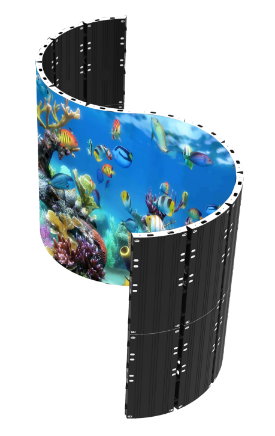 Las pantallas LED sobre las que todo el mundo pregunta 2026 (Y dónde funcionan mejor)
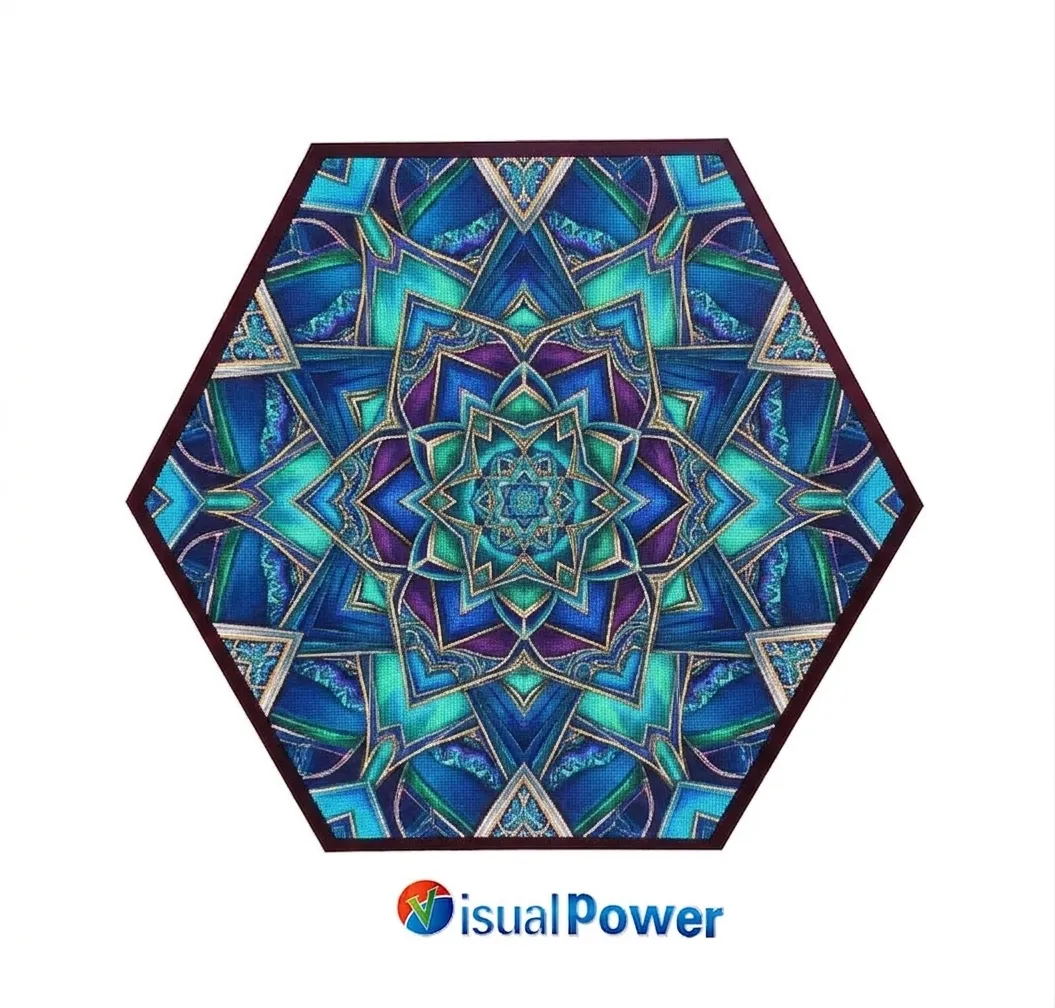 Pantalla LED hexágono: Cómo las pantallas geométricas están transformando las exposiciones modernas
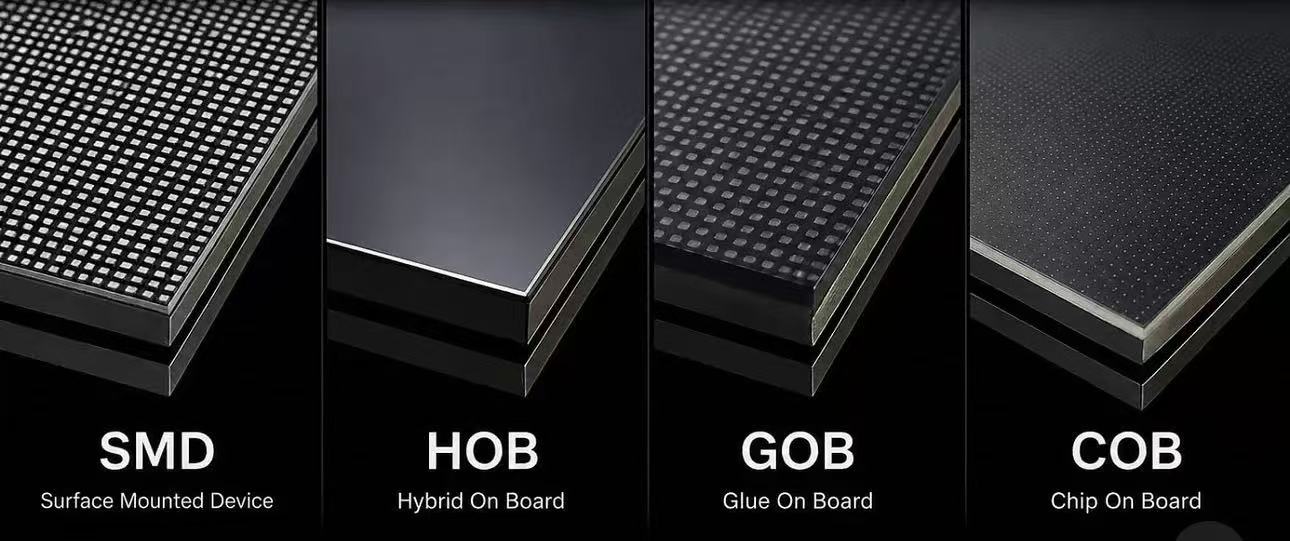 Diferencia del módulo de pantalla LED SMD GOB HOB COB
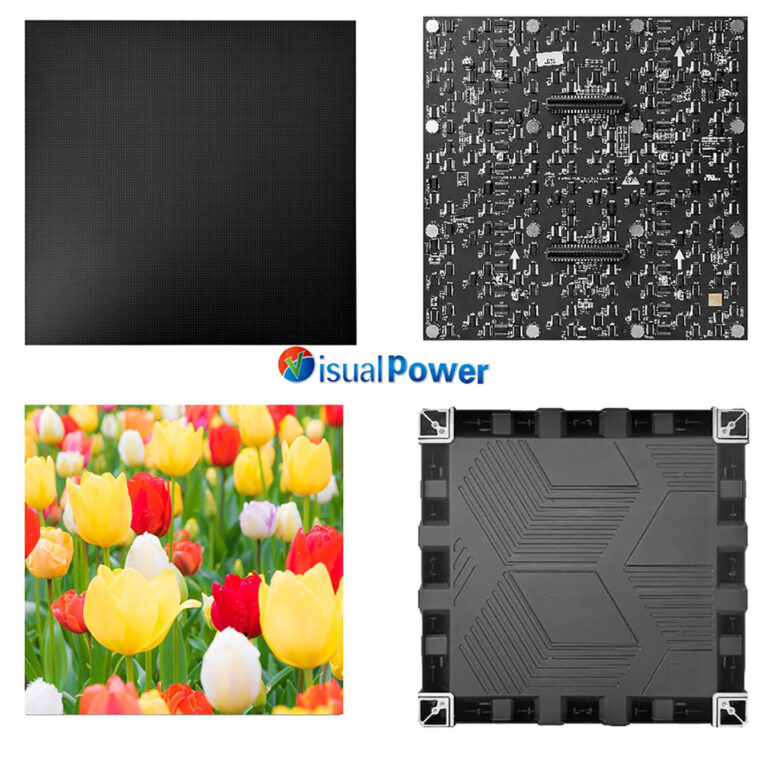 Por qué los museos están recurriendo a pantallas LED de paso fino para una mejor participación de los visitantes
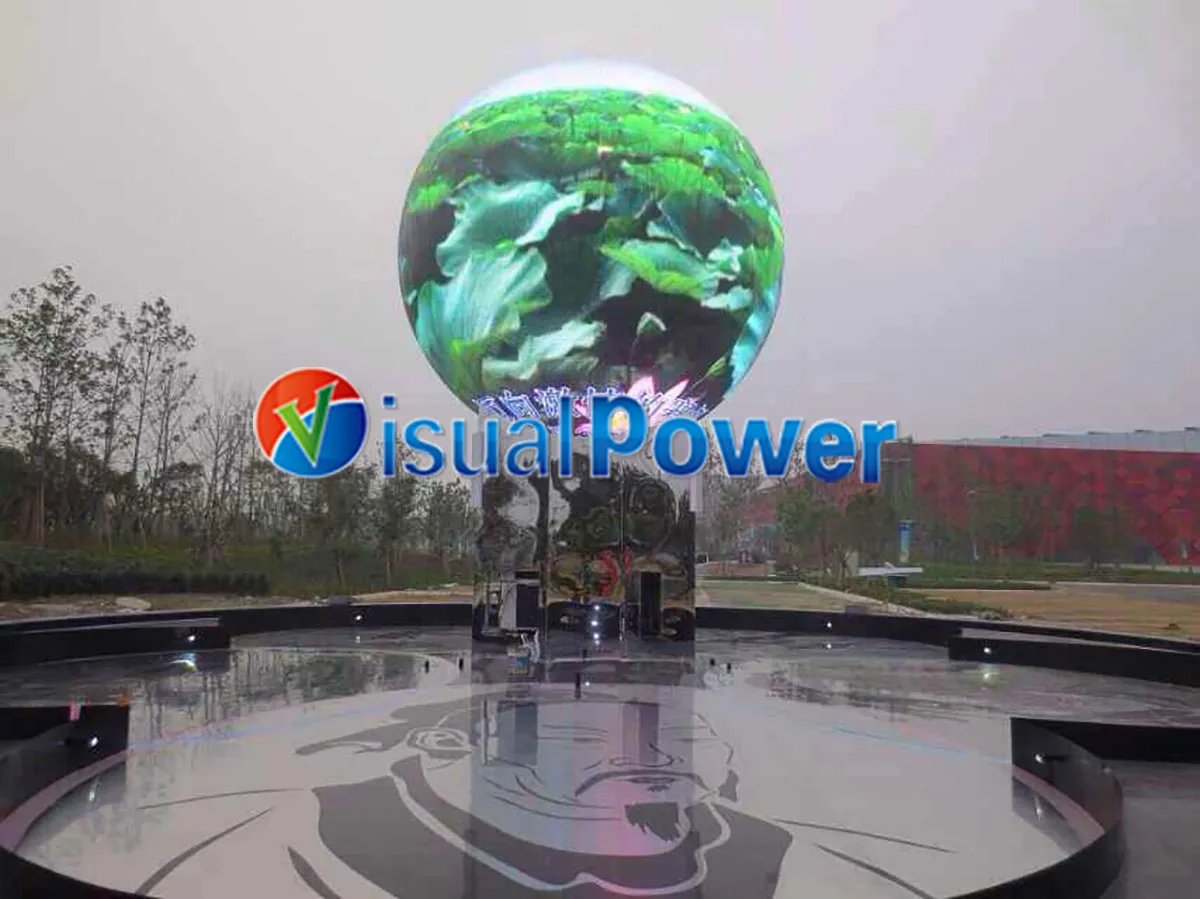 Verdades de la industria de pantallas LED esféricas: Costo, Contenido, y riesgos de diseño explicados

 Gerente de ventas