Pantalla LED de paso fino: Los obstáculos que he encontrado, las pantallas que he visto, y las cosas que realmente deberían preocuparte
Si has estado estudiando pantalla LED de tono fino recientemente, es probable que te hayas sentido abrumado por un montón de parámetros.
0.9 Hz, 1.25 Hz, 1.56 Hz…
Frecuencia de actualización, escala de grises, controlador IC, MAZORCA, SMD…
Se ve muy profesional, ¿no es así??
Para ser sincero, cuando encontré estos parámetros por primera vez, Los miré con expresión perpleja., pensamiento “¿Qué diablos son todos estos??” Más tarde, mientras trabajaba en más proyectos y miraba más pantallas, poco a poco entendí una cosa:
Una buena pantalla no convence con números; te convence con tus ojos.
Hoy, No usaré lenguaje formal ni palabras vacías.. En cambio, Aprovecharé las lecciones que aprendí al entrar a las salas de reuniones, salas de exposiciones, y centros de control a lo largo de los años para discutir cómo elegir una pantalla LED de paso fino, especialmente las especificaciones populares como P0.9, P1.25, y P1.56.
Si te sientes confundido, Te puedo asegurar que este artículo te ayudará a evitar desvíos innecesarios..
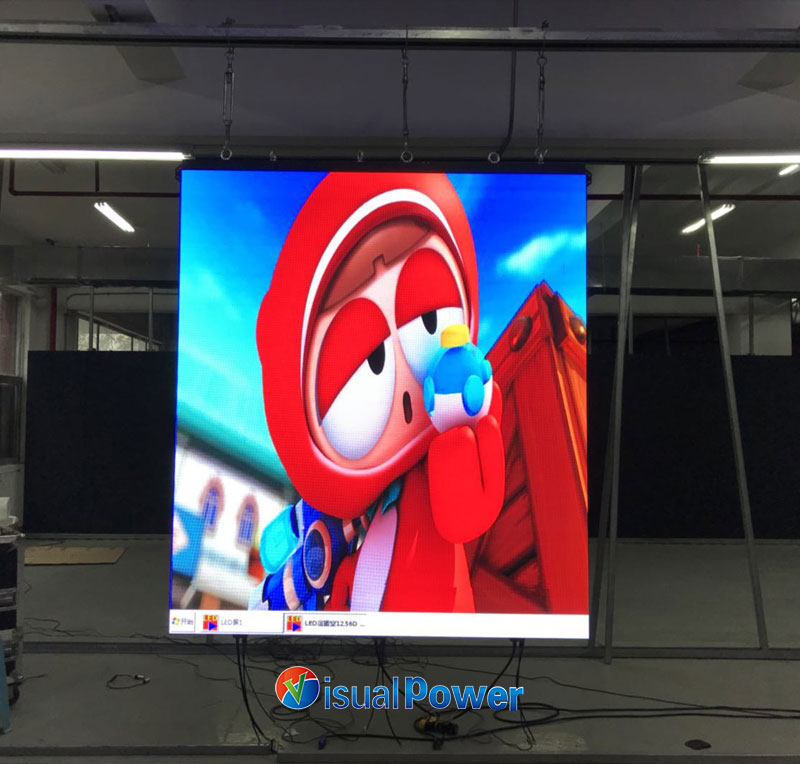
Digámoslo en términos simples: ¿Qué hace exactamente “Paso fino” “bien”?
La llamada pantalla LED de paso fino es esencialmente una “pantalla LED de paso pequeño”.
Los números siguientes “PAG” representar la distancia entre los centros de los píxeles, medido en milímetros.
P0.9 = 0.9 mm
P1.25 = 1.25 mm
P1.56 = 1.56 mm
Cuanto menor sea el número, cuanto más densos son los píxeles, y cuanto más detallado parece cuando se mira de cerca.
Pero aquí viene el punto clave. –
No es que cuanto más pequeño mejor, pero cuanto más pequeño más caro.
Y muchos proyectos en realidad no requieren P0.9 en absoluto.
He sido testigo de demasiados casos de “compras basadas en parámetros”:
“Ya que hay P0.9, debe ser mejor que P1.25.”
Bien, es como conducir un Ferrari en una zona residencial – es ciertamente agradable, pero no es necesario.
La primera vez que realmente entendí P1.25 fue en una sala de juntas..
Hace unos años, un cliente empresarial estaba actualizando su sede. El plan original era P1.56.. El presupuesto era razonable y la resolución adecuada.
Pero la distancia entre la mesa de conferencias y la pantalla es sólo 2.3 metros.
Realizamos una prueba de simulación. –
P1.56:
Hay un ligero granulado en los bordes del texto., no severo, pero puede ser notado por personas sensibles..
P1.25:
La escena de repente se volvió “limpio”. La fuente era como la de los materiales impresos..
En ese momento, me di cuenta:
La distancia de visión es la lógica central que determina el espaciado de los puntos..
Más tarde, Se me ocurrió una regla sencilla y directa.:
P0.9 —— Visualización dentro 1.5 metros es lo mas comodo.
P1.25 —— Visualización en 2-3 metros es muy adecuado.
P1.56 —— Ver más allá 3 metros es más racional.
Esta no es una fórmula oficial.. Es solo mi sentimiento intuitivo que surgió al trabajar en el proyecto..
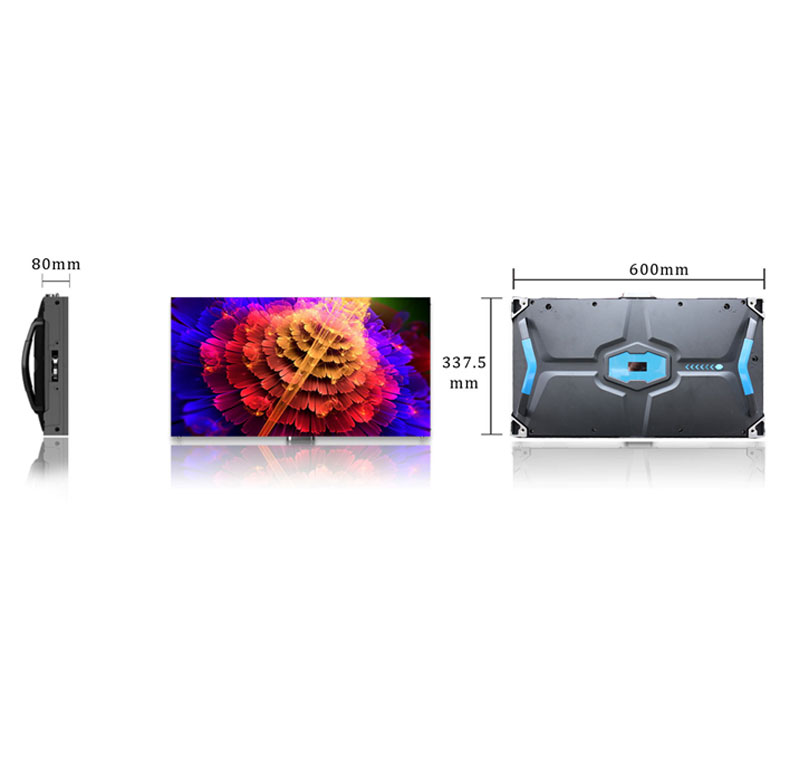
P0.9: Tan detallado como para ser “un poco excesivo”
La primera vez que vi P0.9, mi reacción genuina fue:
“¿Esto sigue siendo un LED??”
Cuando se ve de cerca, Casi no tiene granulosidad y parece una sola pieza de LCD de alta gama..
Pero el problema también surge:
- El costo es significativamente mayor..
- Los requisitos de instalación son extremadamente altos..
- El mantenimiento en etapas posteriores es más meticuloso..
Si es un centro de mando financiero, un estudio de entrevistas, o una sala de exposiciones de marcas de lujo – entonces vale la pena.
Pero si es sólo una sala de reuniones normal y corriente – realmente no hay necesidad de ello.
No pagues por los píxeles invisibles.
P1.25: Mi elección más segura personalmente.
Para ser sincero, si tuviera que recomendar una especificación con los ojos cerrados, Yo elegiría P1.25.
La razón es bastante simple.:
- Claridad lo suficientemente alta
- El precio no es tan exagerado como P0.9.
- Es muy cómodo verlo desde aproximadamente 2 metros de distancia.
Es el tipo de pantalla que “no muestra ningún defecto”.
Muchos proyectos de pantallas LED de paso fino terminan dentro de este rango, no por ningún truco, pero por el equilibrio.
P1.56: Jugador de tipo racional
P1.56 Una ventaja es que:
Para ver desde una altura de más 3 metros, es realmente suficiente.
Trabajé en un proyecto de sala de exposiciones empresarial.. Inicialmente, planeamos usar P1.25. Más tarde, movimos la ruta de visualización hacia atrás por 80 centímetros y lo cambié a P1.56.
El cliente apenas notaba la diferencia a simple vista..
Pero los ahorros presupuestarios son bastante obvios..
Esto es lo que siempre digo:
La tecnología sirve al contexto., no por mostrar habilidades.
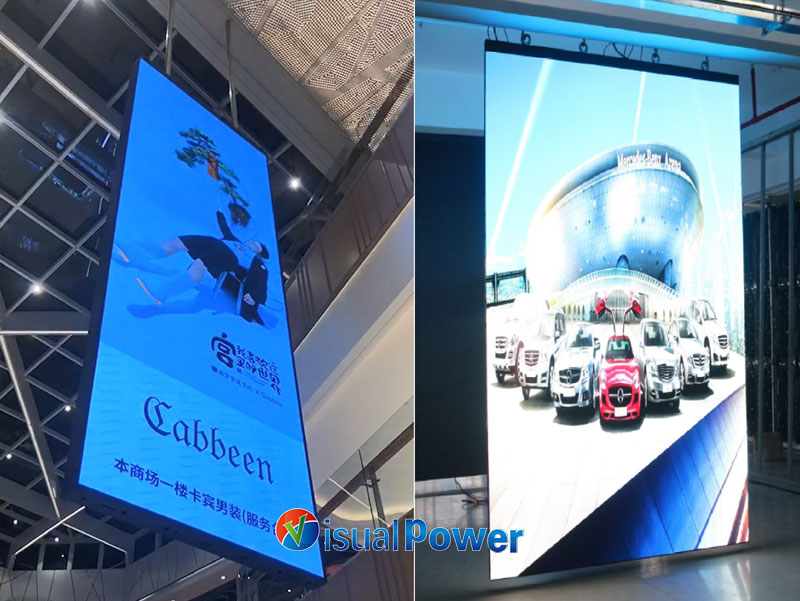
El verdadero secreto de la calidad de la imagen no reside en la distancia de tono.
Mucha gente piensa que el espacio entre puntos lo determina todo..
Equivocado.
Tengo tres acciones habituales al mirar la pantalla:
Primero, mira la pantalla en blanco.
Si la pantalla blanca es desigual, con líneas oscuras o áreas brillantes distribuidas de manera desigual, Incluso el espacio más pequeño entre puntos será inútil.
Segundo, usa tu teléfono para capturar imágenes en cámara lenta.
Una pantalla con una frecuencia de actualización baja hará que aparezcan barras negras al tomar fotografías con un teléfono.
Si tu proyecto implica transmisión en vivo o filmación, esto esta estrictamente prohibido.
Tercero, operar continuamente durante 8 horas
Algunas pantallas se ven muy bien cuando se encienden por primera vez., pero después de ser usado por un día, la temperatura del color comienza a cambiar.
El diseño de disipación de calor es inadecuado.. Todos los parámetros son inútiles..
COB frente a SMD: No te asustes por la jerga
Cuando el tono de los puntos cae por debajo de P1.0, A menudo escucharás el término “tecnología COB”.
Simplemente poner:
COB es más resistente, tiene una superficie más lisa y es menos propenso a rayarse.
SMD es más maduro, Tiene costos más estables y es más fácil de mantener..
Si el panel se instala en una sala de exposiciones abierta con mucha gente yendo y viniendo, la COB se sentirá más segura.
Si es una sala de reuniones cerrada – el SMD es más que suficiente.
Esta no es una jerarquía técnica, sino más bien una lógica de aplicación.
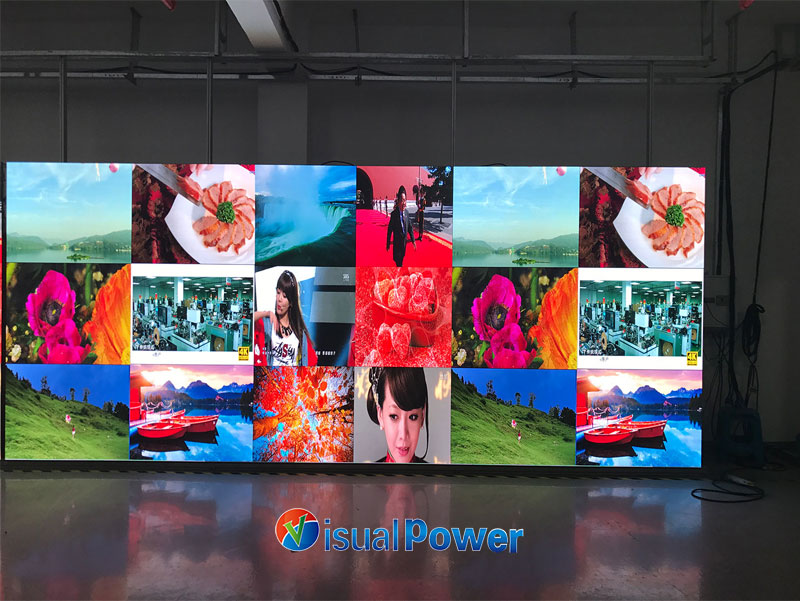
¿Cuál debo elegir entre paneles de visualización LED y LCD de paso fino para la pantalla??
Me han hecho esta pregunta innumerables veces.
Ventajas de la pantalla LCD:
- Bajo costo
- La instalación es sencilla.
Desventajas:
- hay costuras.
- Limitación de tamaño
- Mala integridad visual
Las ventajas de la pantalla LED de paso fino son:
- Sin costuras
- Tamaño personalizable
- Mayor brillo
- El ángulo de visión es más amplio..
Especialmente en centros de mando y grandes espacios para conferencias, el impacto visual integrado es completamente diferente.
La pantalla ya no “varios televisores juntos”, pero una pared entera.
¿Cómo veo la página del producto??
A veces estudiaba las especificaciones técnicas de diferentes marcas., como el P0.9, Series P1.25 y P1.56 presentadas por Visualpower.
no veo los comerciales.
tengo tres puntos que hacer:
- ¿Los parámetros técnicos son completos y transparentes??
- ¿El escenario de aplicación está claramente marcado??
- ¿La explicación de la estructura es específica??
La información de producto verdaderamente confiable nunca evita detallar cosas.
¿Será reemplazado el futuro??
mucha gente me ha preguntado:
¿Micro LED eventualmente reemplazará las pantallas LED de paso fino??
No en el corto plazo.
Costo, madurez del proceso, y la experiencia en implementación de ingeniería determinan que el tono fino sigue siendo la corriente principal.
Además, a medida que las empresas experimentan una transformación digital, La demanda de pantallas interiores de alta definición no hará más que aumentar..
la verdad final
¿Qué es una buena pantalla??
No es algo que haga que la gente diga, “Guau, tan claro!”
En cambio, Hace que la gente se olvide de la pantalla y se centre únicamente en el contenido..
Cuando el texto es tan nítido como el material impreso, y la imagen no tiene grano, sin costuras, y sin parpadeo –
No lo elogiarás; simplemente lo aceptarás naturalmente.
Éste es precisamente el verdadero valor de la pantalla LED de tono fino.
Si está considerando P0.9, P1.25 o P1.56, no te centres sólo en el precio.
ir a la escena.
Pararse a la distancia de visualización adecuada.
Reproduce tu propio contenido.
Tus ojos te dirán la respuesta..
Y cuando realmente entiendes estas diferencias, encontrarás eso –
Elegir una pantalla es en realidad elegir una forma de expresión para un determinado espacio..
Este asunto es mucho más importante que los parámetros..



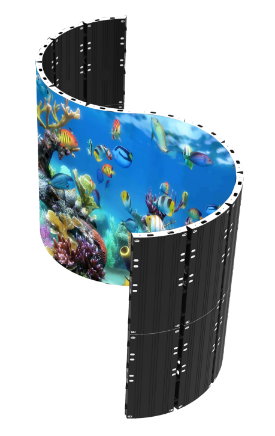 Las pantallas LED sobre las que todo el mundo pregunta 2026 (Y dónde funcionan mejor)
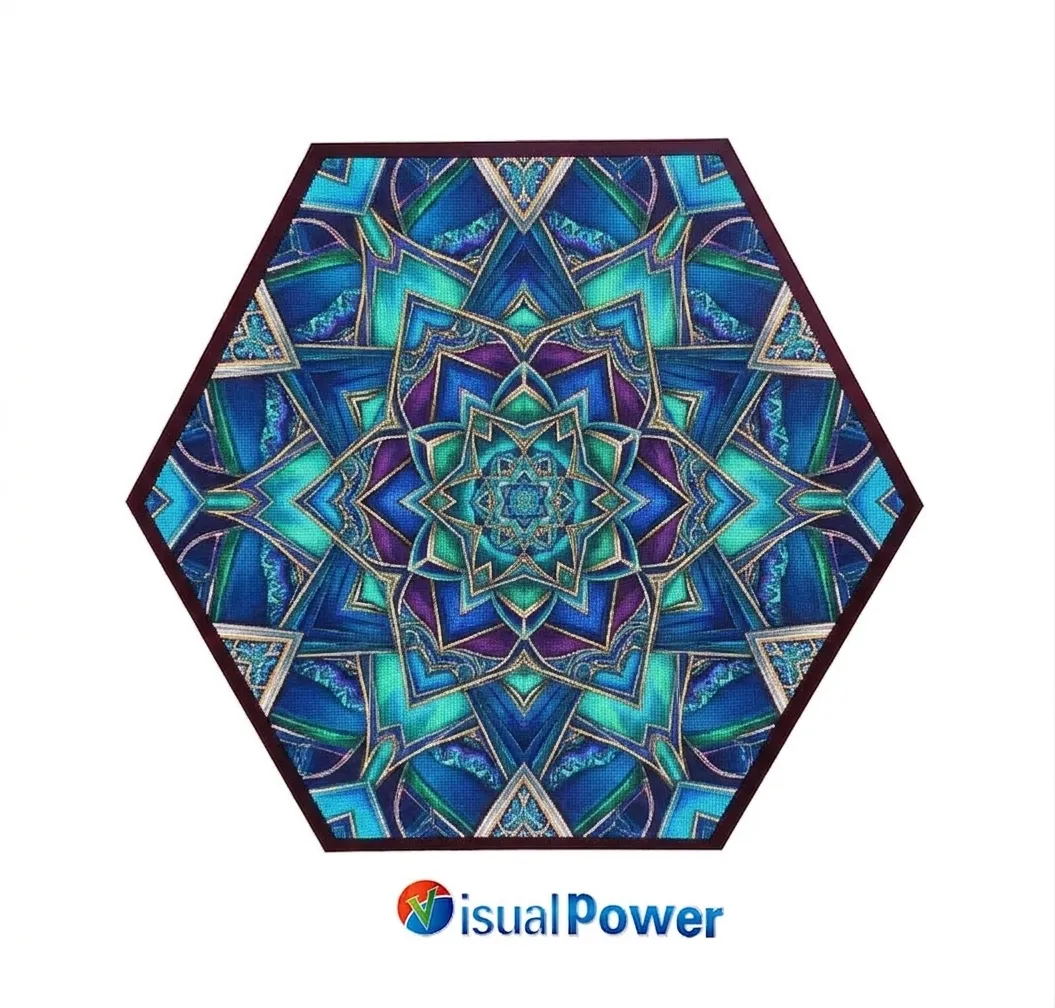 Pantalla LED hexágono: Cómo las pantallas geométricas están transformando las exposiciones modernas
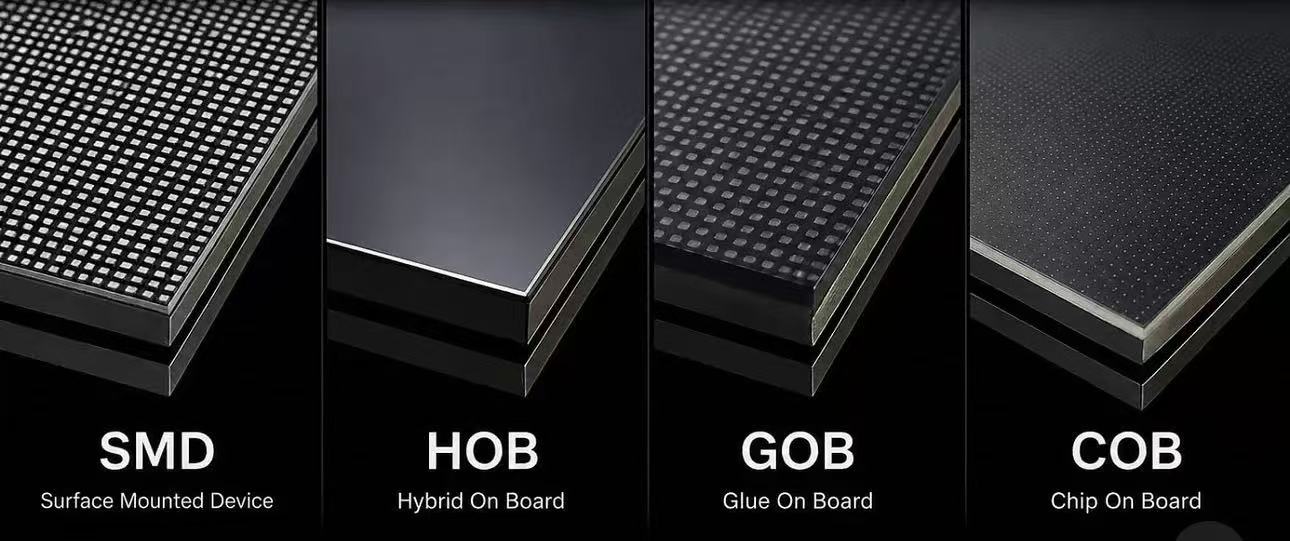 Diferencia del módulo de pantalla LED SMD GOB HOB COB
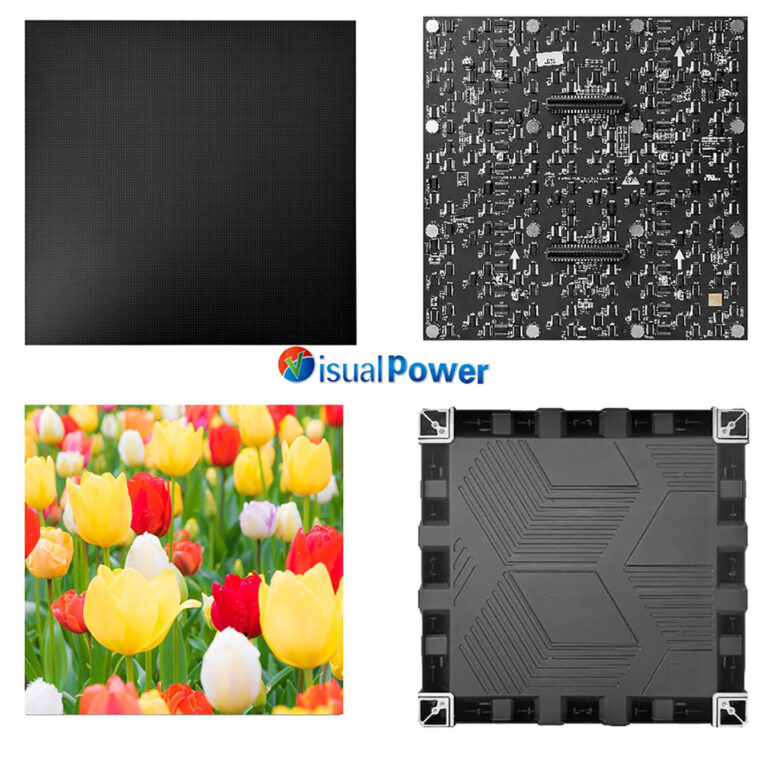 Por qué los museos están recurriendo a pantallas LED de paso fino para una mejor participación de los visitantes
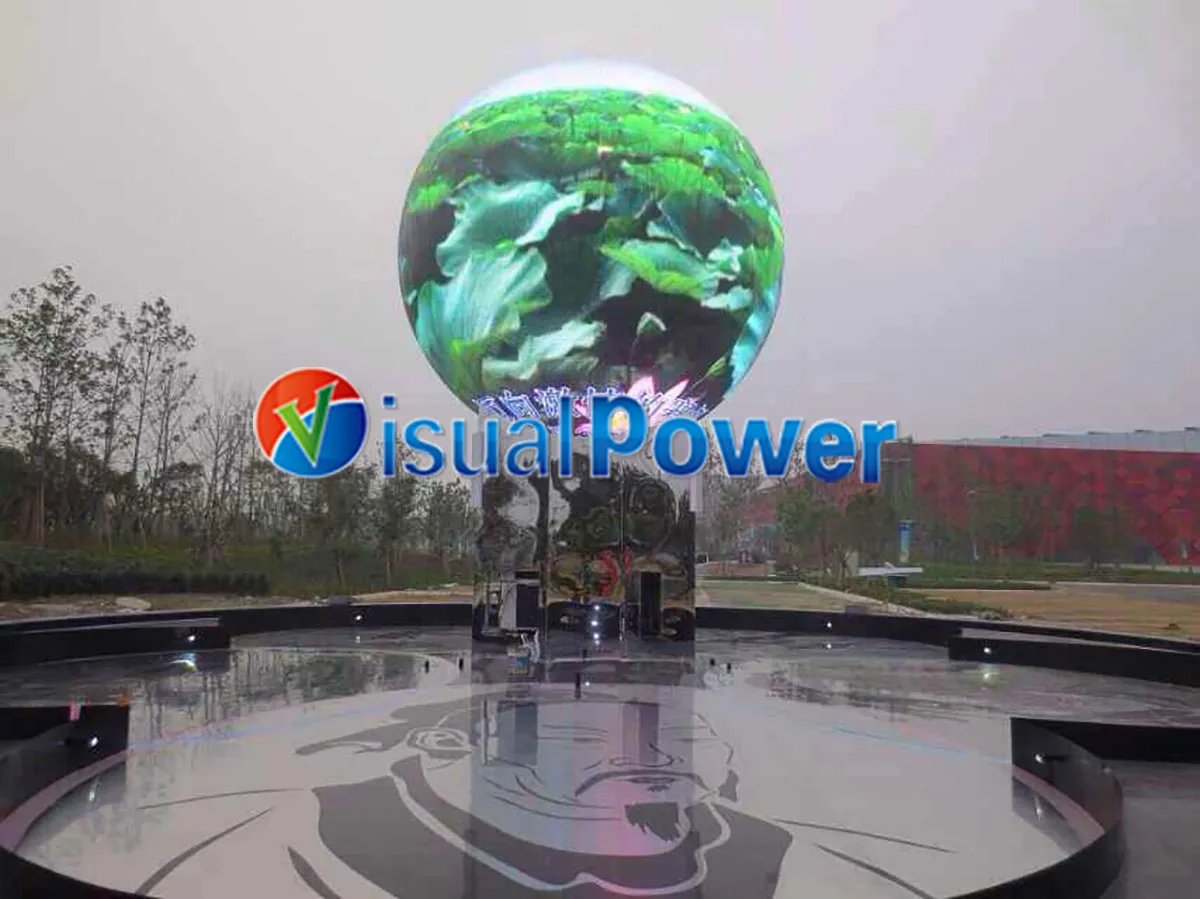 Verdades de la industria de pantallas LED esféricas: Costo, Contenido, y riesgos de diseño explicados

 Gerente de ventas