Affichage LED à pas fin: Les pièges que j'ai rencontrés, les écrans que j'ai vus, et les choses dont tu devrais vraiment te préoccuper
Si vous avez étudié Affichage LED à hauteur fin récemment, il y a de fortes chances que vous ayez été dépassé par un tas de paramètres.
0.9 Hz, 1.25 Hz, 1.56 Hz…
Fréquence de rafraîchissement, niveaux de gris, CI de pilote, ÉPI, SMD…
Ça a l'air très professionnel, n'est-ce pas?
Pour être honnête, quand j'ai rencontré ces paramètres pour la première fois, Je les ai regardés avec une expression perplexe, pensée “Qu'est-ce que c'est que tout ça?” Plus tard, alors que je travaillais sur plus de projets et regardais plus d'écrans, J'ai progressivement compris une chose:
Un bon écran ne vous convainc pas avec des chiffres; ça te convainc avec tes yeux.
Aujourd'hui, Je n'utiliserai pas de langage formel ou de mots vides de sens. Plutôt, Je m'appuierai sur les leçons que j'ai apprises en entrant dans les salles de réunion, salles d'exposition, et centres de contrôle au fil des années pour discuter de la manière de choisir un écran LED à pas fin, en particulier les spécifications populaires telles que P0.9, P1.25, et P1.56.
Si vous vous sentez confus, Je peux vous assurer que cet article vous évitera des détours inutiles.
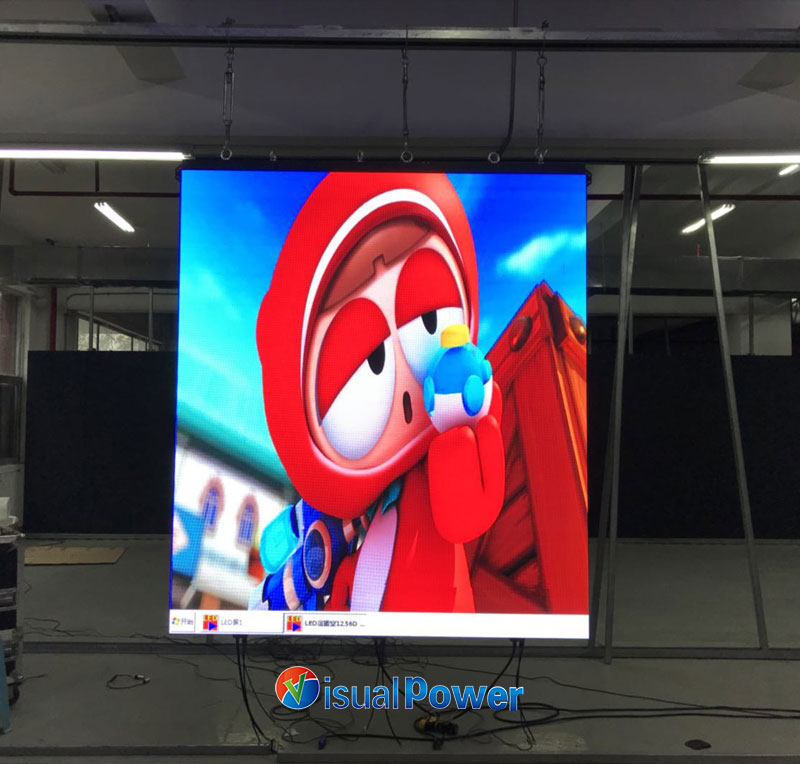
Disons-le en termes simples: Qu'est-ce qui fait exactement “Pas fin” “bien”?
L'affichage LED dit à pas fin est essentiellement un “affichage LED à petit pas”.
Les chiffres suivants “P” représente la distance entre les centres des pixels, mesuré en millimètres.
P0.9 = 0.9 mm
P1.25 = 1.25 mm
P1.56 = 1.56 mm
Plus le nombre est petit, plus les pixels sont denses, et plus il apparaît détaillé lorsqu'on le regarde de près.
Mais voici le point clé –
Ce n'est pas plus petit, mieux c'est, mais plus c'est petit, plus c'est cher.
Et de nombreux projets ne nécessitent pas du tout P0.9.
J'ai été témoin de trop de cas de “achats paramétrés”:
“Puisqu'il y a P0.9, ça doit être meilleur que P1.25.”
bien, c'est comme conduire une Ferrari dans un quartier résidentiel – c'est certainement sympa, mais ce n'est pas nécessaire.
La première fois que j'ai vraiment compris P1.25, c'était dans une salle de conférence.
Il y a quelques années, une entreprise cliente modernisait son siège social. Le plan initial était P1.56. Le budget était raisonnable et la résolution était adéquate.
Mais la distance entre la table de conférence et l'écran n'est que 2.3 mètres.
Nous avons effectué un test de simulation –
P1.56:
Il y a un léger grain sur les bords du texte, pas grave, mais cela peut être remarqué par les personnes sensibles.
P1.25:
La scène est soudainement devenue “faire le ménage”. La police ressemblait à celle des documents imprimés.
À ce moment, j'ai réalisé:
La distance de visualisation est la logique fondamentale qui détermine l'espacement des points.
Plus tard, J'ai trouvé une règle simple et directe:
P0.9 —— Visualisation à l'intérieur 1.5 mètres est le plus confortable.
P1.25 —— Visualisation à 2-3 les mètres conviennent très bien.
P1.56 —— Regarder au-delà 3 les mètres sont plus rationnels.
Ce n'est pas une formule officielle. C'est juste mon sentiment intuitif qui est apparu en travaillant sur le projet.
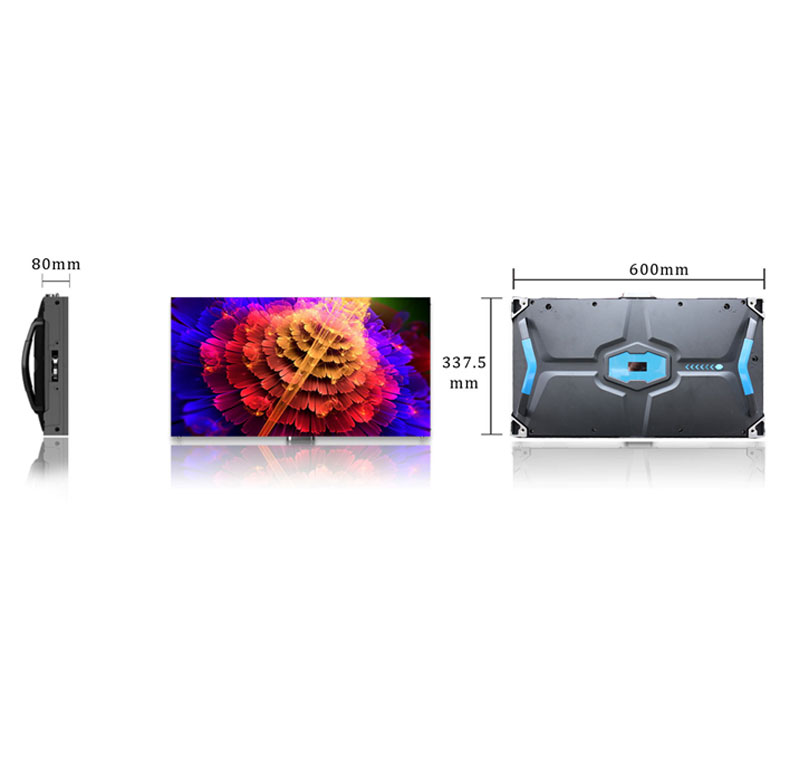
P0.9: Tellement détaillé qu'il peut être “un peu excessif”
La première fois que j'ai vu P0.9, ma véritable réaction a été:
“Est-ce que ce truc est toujours une LED?”
Vu de près, il n'a presque pas de grain et ressemble à une seule pièce d'écran LCD haut de gamme.
Mais le problème se pose aussi:
- Le coût est nettement plus élevé.
- Les exigences d'installation sont extrêmement élevées.
- La maintenance ultérieure est plus méticuleuse.
S'il s'agit d'un centre de commandement financier, un studio d'entretien, ou un hall d'exposition de marques de luxe – alors ça vaut le coup.
Mais si c'est juste une salle de réunion ordinaire – ce n'est vraiment pas nécessaire.
Ne payez pas pour les pixels invisibles.
P1.25: Mon choix le plus sûr personnellement
Pour être honnête, si je devais recommander une spécification les yeux fermés, Je choisirais P1.25.
La raison est assez simple:
- Clarté suffisamment élevée
- Le prix n'est pas aussi exagéré que P0.9.
- C'est très confortable de regarder d'environ 2 mètres.
C'est le genre d'écran qui “ne montre aucun défaut”.
De nombreux projets d'affichage LED à pas fin finissent par tomber dans cette plage, pas à cause d'un gadget, mais à cause de l'équilibre.
P1.56: Joueur de type rationnel
P1.56 Un avantage est que:
Pour une visualisation à une hauteur supérieure à 3 mètres, c'est vraiment suffisant.
J'ai travaillé sur un projet de salle d'exposition d'entreprise. Initialement, nous avions prévu d'utiliser P1.25. Plus tard, nous avons reculé le chemin d'observation 80 centimètres et je l'ai changé en P1.56.
Le client pouvait difficilement faire la différence à l'œil nu.
Mais les économies budgétaires sont assez évidentes.
C'est ce que je dis toujours:
La technologie au service du contexte, pas pour montrer ses compétences.
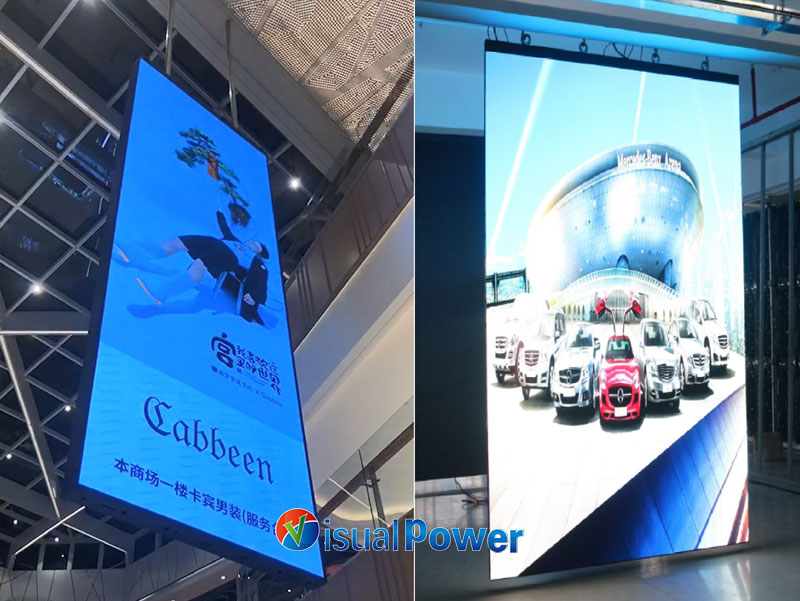
Le véritable secret de la qualité d’image ne réside pas dans la distance de pitch.
Beaucoup de gens pensent que l'espacement des points détermine tout.
Faux.
J'ai trois actions habituelles lorsque je regarde l'écran:
D'abord, regarde l'écran vide.
Si l'écran blanc est inégal, avec des lignes sombres ou des zones lumineuses inégalement réparties, même le plus petit espacement des points ne sera d'aucune utilité.
Deuxième, utilisez votre téléphone pour capturer des images au ralenti.
Un écran avec un faible taux de rafraîchissement fera apparaître des barres noires lors de la prise de photos avec un téléphone.
Si votre projet implique une diffusion en direct ou un tournage, c'est strictement interdit.
Troisième, fonctionner en continu pendant 8 heures
Certains écrans sont très jolis lorsqu’ils sont allumés pour la première fois, mais après avoir été utilisé pendant une journée, la température de couleur commence à changer.
La conception de la dissipation thermique est inadéquate. Tous les paramètres ne servent à rien.
COB contre CMS: Ne soyez pas effrayé par le jargon
Lorsque le pas des points descend en dessous de P1.0, vous entendrez souvent le terme “Technologie COB”.
Mettre simplement:
COB est plus robuste, a une surface plus lisse et est moins sujette aux rayures.
SMD est plus mature, a des coûts plus stables et est plus facile à entretenir.
Si le panneau est installé dans une salle d'exposition ouverte avec beaucoup de gens qui vont et viennent, le COB se sentira plus en sécurité.
S'il s'agit d'une salle de réunion fermée – le SMD est largement suffisant.
Ce n'est pas une hiérarchie technique, mais plutôt une logique d'application.
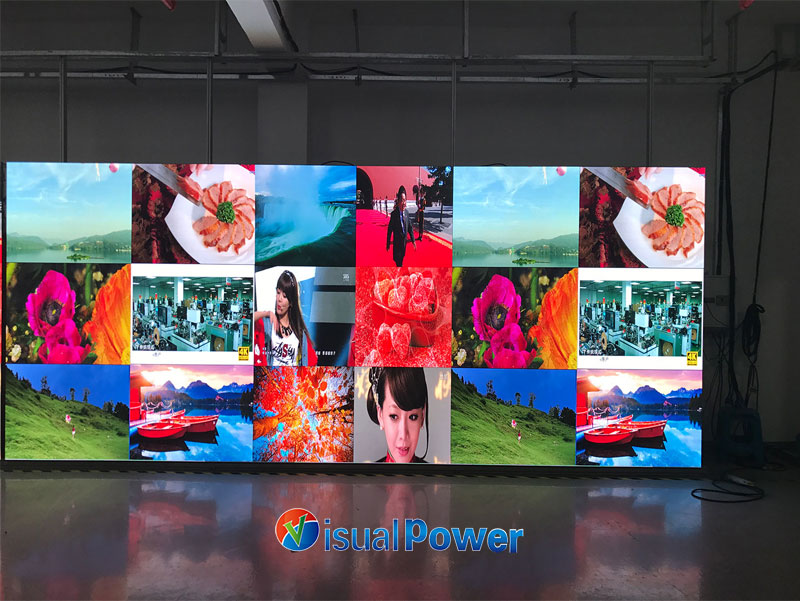
Lequel dois-je choisir entre les panneaux d'affichage LED à pas fin et les panneaux d'affichage LCD pour l'écran?
On m'a posé cette question d'innombrables fois.
Avantages de l'écran LCD:
- Faible coût
- L'installation est simple.
Inconvénients:
- Il y a des coutures.
- Limitation de taille
- Mauvaise intégrité visuelle
Les avantages de l'affichage LED à pas fin sont:
- Pas de coutures
- Taille personnalisable
- Luminosité plus élevée
- L'angle de vision est plus large.
Surtout dans les centres de commandement et les grands espaces de conférence, l'impact visuel intégré est complètement différent.
L'écran n'est plus “plusieurs téléviseurs réunis”, mais un mur entier.
Comment puis-je voir la page produit?
Parfois j'étudiais les spécifications techniques de différentes marques, comme le P0.9, Séries P1.25 et P1.56 présentées par Visualpower.
je ne regarde pas les publicités.
J'ai trois points à faire valoir:
- Les paramètres techniques sont-ils complets et transparents?
- Le scénario d'application est-il clairement indiqué?
- L'explication de la structure est-elle spécifique?
Des informations produit vraiment fiables n'hésitent jamais à détailler les choses.
L'avenir sera-t-il remplacé?
Beaucoup de gens m'ont demandé:
Les Micro LED remplaceront-elles à terme les écrans LED à pas fin?
Pas à court terme.
Coût, maturité du processus, et l'expérience en matière de mise en œuvre de l'ingénierie déterminent que le pitch fin reste la norme.
De plus, alors que les entreprises entreprennent leur transformation numérique, la demande d’écrans intérieurs haute définition ne fera qu’augmenter.
La vérité finale
Qu'est-ce qu'un bon écran?
Ce n'est pas quelque chose qui fait dire aux gens, “Ouah, si clair!”
Plutôt, cela fait oublier l'écran et se concentre uniquement sur le contenu.
Quand le texte est aussi net qu’un imprimé, et l'image n'a pas de grain, pas de coutures, et pas de scintillement –
Tu ne le loueras pas; tu l'accepteras simplement naturellement.
C'est précisément la vraie valeur du Affichage LED à hauteur fin.
Si vous envisagez P0.9, P1.25 ou P1.56, ne vous concentrez pas uniquement sur le prix.
Aller sur les lieux.
Se tenir à la bonne distance de visualisation.
Jouez votre propre contenu.
Tes yeux te diront la réponse.
Et quand tu comprends vraiment ces différences, tu trouveras ça –
Choisir un paravent, c'est en fait choisir un mode d'expression pour un certain espace.
Cette question est bien plus importante que les paramètres.



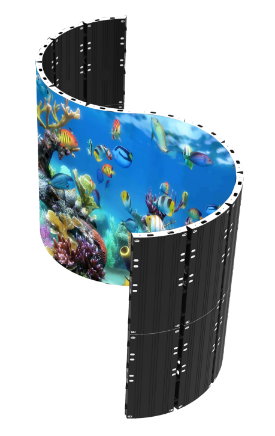 La LED affiche les questions de tout le monde 2026 (Et où ils fonctionnent le mieux)
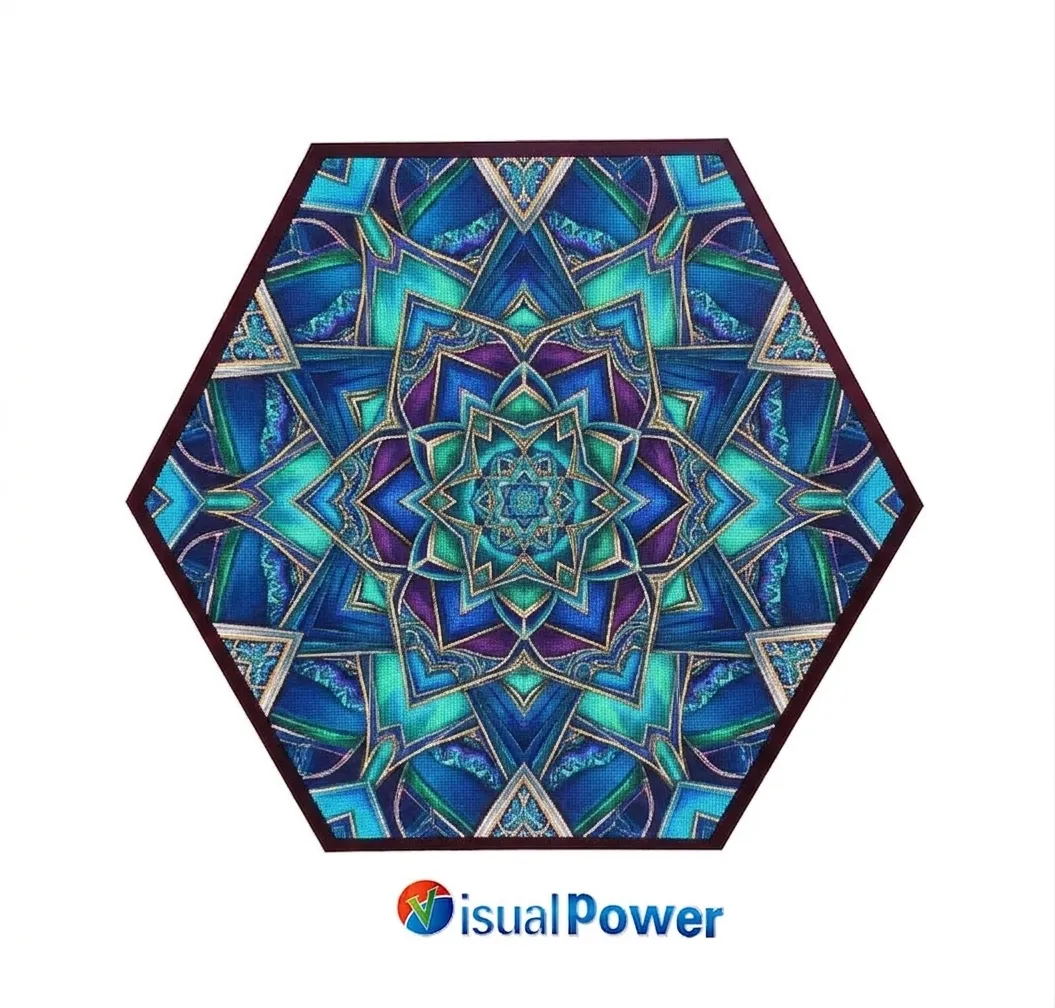 Affichage LED hexagonal: Comment les écrans géométriques transforment les expositions modernes
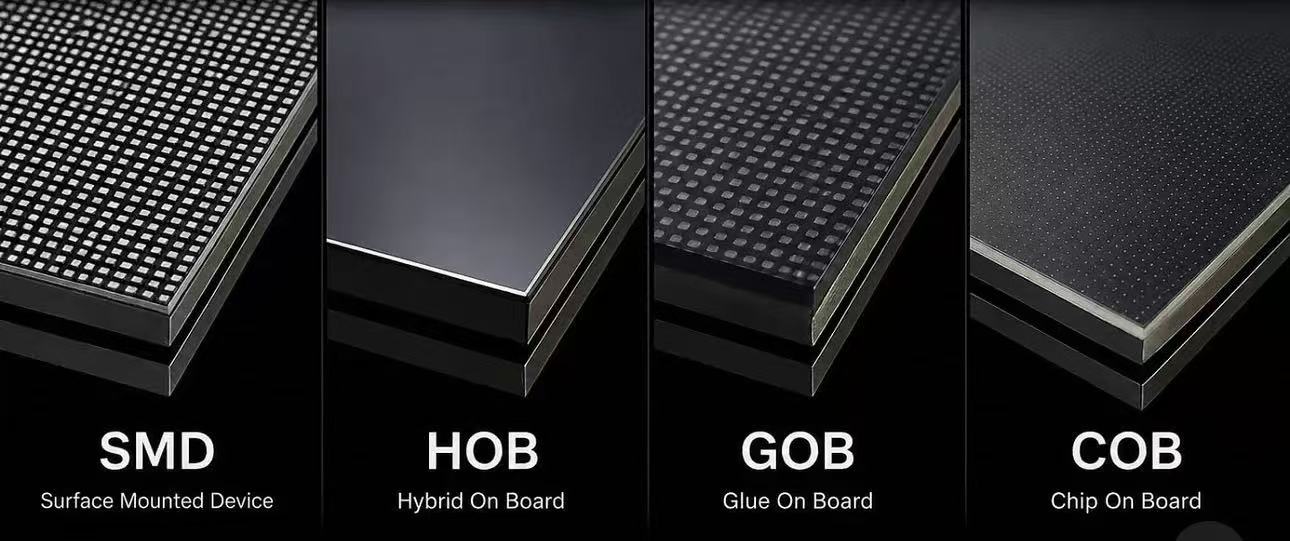 Différence du module d'affichage LED SMD GOB HOB COB
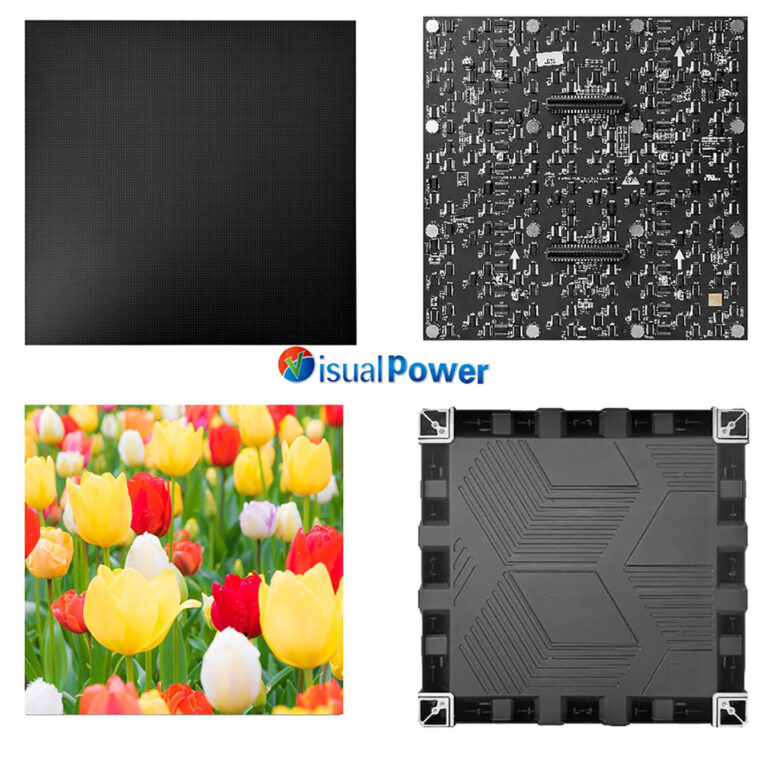 Pourquoi les musées se tournent vers les écrans LED à pas fin pour un meilleur engagement des visiteurs
 Vérités de l'industrie de l'affichage LED Sphere: Coût, Contenu, et les risques de conception expliqués

 Directeur commercial