Affichage LED ultra mince: Minimalisme derrière la technologie, Pas seulement “mince”
En tant qu'utilisateur rationnel qui fait attention à la valeur pratique et à la logique d'ingénierie des produits, Je suis rarement tenté par le “mise à niveau de l'apparence” d'une technologie. Il en va de même pour le Affichage LED ultra mince. La première fois que je suis tombé sur ce terme, Je pensais inconsciemment que ce n'était qu'un autre gadget de “l'air mieux”. Après tout, Ce sur quoi les produits d'affichage commerciaux concurrennent, ce sont les performances et la stabilité, pas du design de mode.
Cependant, Quand j'étais réellement impliqué dans un projet avec un espace extrêmement limité et une chronologie d'installation très courte, Les avantages structurels de l'écran d'affichage LED Ultra Slim ont commencé à émerger. Après cela, Mon opinion à ce sujet a complètement changé. Ce n'est pas simplement un “mince” apparence, mais aussi une reconstruction systématique de la logique d'installation, Méthodes de maintenance et efficacité spatiale.
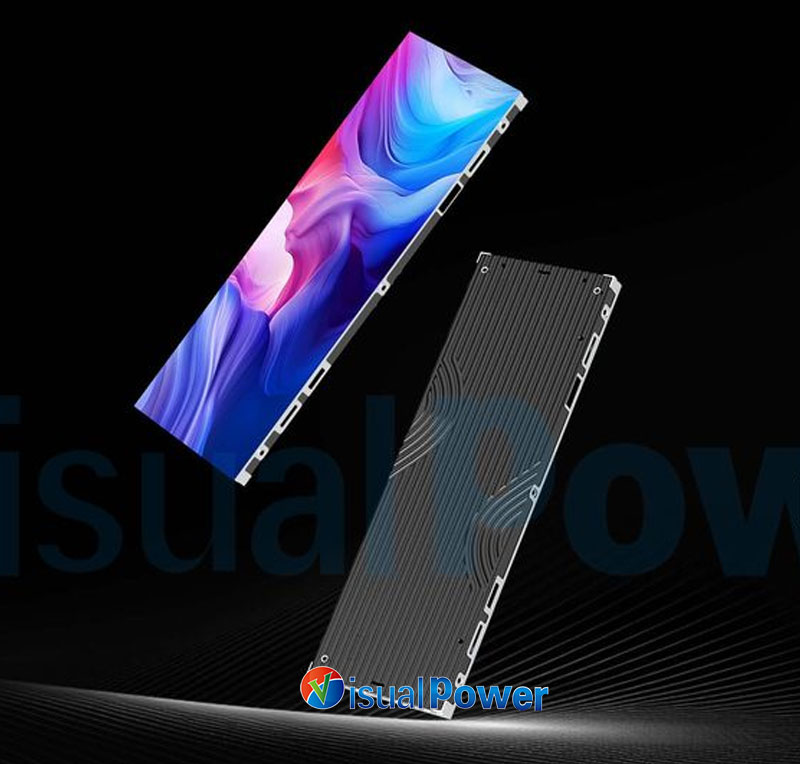
L'apparence est “ultra-mince”, Mais la structure sous-jacente est plus compacte
Pour un écran LED ultra slim de haute qualité, L'épaisseur du corps de l'écran est généralement contrôlée à moins de 20 mm, Et certains atteignent même 17 mm. Par rapport à l'épaisseur des LED traditionnelles, qui est souvent 80 mm, Cette conception est évidemment plus adaptable spatialement. Mais ce qui m'attire vraiment, ce ne sont pas les paramètres eux-mêmes, Mais comment ça “minceur” est atteint.
Il ne réduit pas simplement l'épaisseur du matériau, mais a fait des optimisations structurelles en plusieurs dimensions: intégration de puissance, retirer les ventilateurs, dissipation de chaleur passive de l'alliage d'aluminium, conception de montage magnétique modulaire… Cette conception intégrée comprime non seulement le volume mais réduit également les points de défaillance. Entre-temps, ça réussit presque “entretien par l'avant”, réduisant considérablement les coûts de maintenance et la complexité du câblage.
Dans une installation réelle, nous n'avons réservé que 30 mm d'espace de montage. Les écrans conventionnels ne pouvaient tout simplement pas être intégrés, tandis que le modèle ultra fin s'adapte parfaitement. Non seulement cela a évité la modification des murs, mais cela a également raccourci le délai d'installation de deux jours complets.
Cela n’éclipsera pas le contenu principal mais permettra au contenu d’être présenté naturellement.
Rationnellement parlant, l'espace est précieux. Tout écran LED traditionnel aura un “présence” dans l'environnement: il dépasse du mur, le dissipateur thermique fait un bruit constant, et même la chaleur générée pendant le fonctionnement affecte le fonctionnement des équipements environnants.
L'écran d'affichage LED Ultra Slim est à l'opposé. Il est fixé au mur et maintenu par l'avant, éliminant le besoin d'espace redondant sur la couverture arrière. Visuellement et physiquement, il devient “invisible”. Par exemple, Dans une salle d'entreprise minimaliste moderne, J'ai vu de mes propres yeux un écran LED super mince intégré dans un mur de pierre. À distance, C'était presque imperceptible et seulement “apparu” Quand le contenu était en cours.
Cela m'a fait réaliser que ce n'était pas simplement “affichage”, Mais participer au langage de conception spatiale. Surtout dans les espaces commerciaux haut de gamme ou les salles d'exposition de marque, Cette capacité à être subtile et discrète est en fait le plus grand avantage actif.
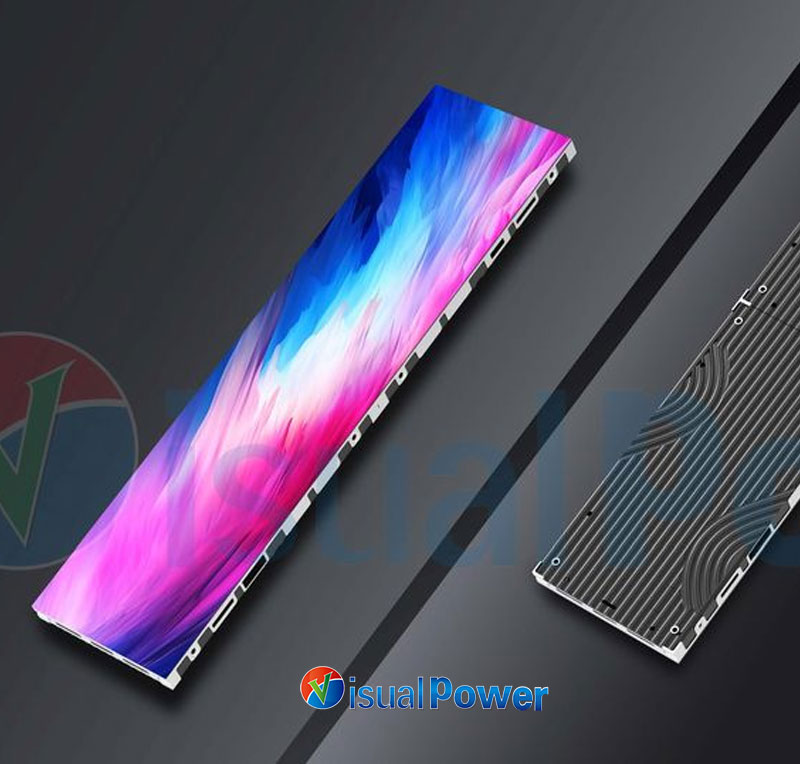
La stabilité et les performances d'affichage n'ont pas été sacrifiés
Ma préoccupation initiale était: Le rendre si mince, cela signifie-t-il que les performances ont été compressées? Mais le test réel a complètement dissipé ce doute.
Les modèles Ultra Slim haut de gamme soutiennent généralement un taux de rafraîchissement de 3840 Hz ou même plus, avec presque pas de traîne sur l'image. Ils conviennent aux scénarios de contenu à haut dynamique tels que le tournage virtuel XR et les démonstrations interactives. La luminosité, Les niveaux de gris et la cohérence des couleurs ont également atteint un niveau relativement élevé parmi les écrans LED que j'ai testés., et les coutures entre les coutures des panneaux sont presque invisibles.
Une fois, nous avons continuellement utilisé un écran ultra-mince pour 72 heures pour diffuser en boucle le contenu de la visite guidée du hall d’exposition. Par conséquent, il n'y avait pas de points morts, scintillement de l'écran ou atténuation de la luminosité. Dans les mêmes conditions de travail, un écran LED conventionnel à l'ancienne a commencé à surchauffer localement en raison d'une panne de ventilateur et a dû être remplacé temporairement.
Après la vérification de la stabilité, J'ai commencé à croire que de tels produits n'existent pas simplement pour des raisons de légèreté et de finesse visuelles.; ils ont derrière eux une conception solide au niveau du système.
Les types de projets auxquels il convient sont très clairs
Lors de l'évaluation rationnelle de la valeur de l'équipement, Je ne regarde pas seulement les paramètres, mais aussi à la compatibilité. La LED ultra fine n'est pas un “solution universelle”, mais c'est presque une solution idéale dans les scénarios suivants:
Tout d'abord, il y a l'espace de vente au détail, surtout les magasins de marques haut de gamme. Ici, l'esthétique et les détails sont extrêmement sensibles. L'écran LED ultra-fin sans bordure peut se fondre au maximum dans l'environnement, rehausser la texture de la marque sans éclipser l’élément principal.
Deuxièmement, il y a des espaces de bureaux commerciaux tels que le hall et les salles de réunion des entreprises. Ils nécessitent généralement un délai d'installation court et un câblage spatial soigné.. La conception d'installation rapide et la fonction de maintenance avant de l'Ultra Slim LED résolvent avec précision les problèmes pratiques dans ces zones d'utilisation à haute fréquence..
Jetons un coup d'œil aux scénarios de tournage XR ou de production virtuelle. Ces applications ont des exigences extrêmement élevées en matière de stabilité d'image et de taux de rafraîchissement.. Les LED Ultra Slim prennent généralement en charge un taux de rafraîchissement supérieur à 3840 Hz, ce qui peut efficacement éviter les traînées ou les interférences vidéo et devenir un mur de fond idéal pour la prise de vue.
Les espaces d'exposition culturelle tels que les salles d'exposition et les musées accordent davantage d'attention à “invisibilité” des équipements tout en mettant en valeur le contenu. L'écran LED Ultra Slim est fin et léger, avec une grande cohérence des couleurs. Il peut se fondre naturellement dans l’environnement d’exposition sans perturber le langage visuel global.
En outre, lors d'expositions temporaires ou d'événements pop-up de marque, des exigences élevées sont imposées à la portabilité, modularité et déploiement rapide des équipements. La structure légère et la capacité d'assemblage pratique de l'Ultra Slim LED répondent parfaitement aux exigences des installations d'exposition à court terme et à haut rendement..
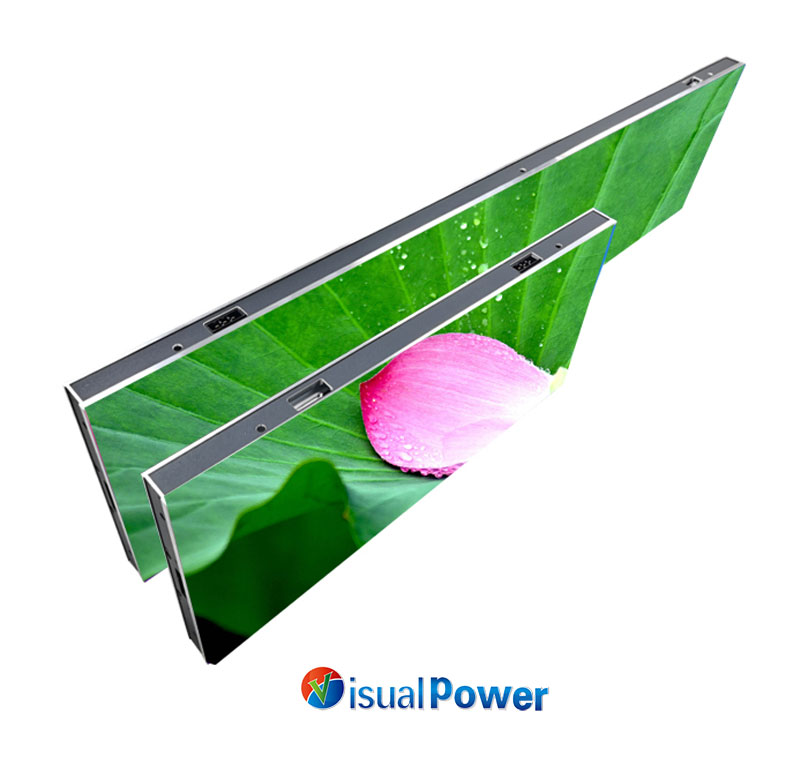
Mesurez sa vraie valeur avec des chiffres
Je ne suis pas le genre de personne qui peut être émue par le langage du design. Lors de la prise de décisions, Je fais plus attention à l'efficacité et au coût au niveau numérique.
Prenons un cas réel par exemple. Lors de l'installation d'un écran LED traditionnel, une équipe de trois personnes a passé deux jours à terminer l'épissage et le débogage de 25 mètres carrés. Pour l'écran ultra fin de la même zone, une équipe de deux personnes pourrait le terminer en une journée. La raison réside dans son poids léger, structure simplifiée, haute intégration du câblage, et la conception de montage magnétique rend également l'épissage du module plus rapide et plus précis.
Lors d'une maintenance ultérieure, les écrans traditionnels nécessitent généralement que le panneau entier soit démonté pour inspection, tandis que les LED ultra fines prennent en charge “ouverture du capot avant”, et les modules individuels peuvent être remplacés à tout moment sans affecter le fonctionnement des autres zones. Ceci est particulièrement critique pour les environnements à forte utilisation.
En outre, bien que le coût initial soit légèrement plus élevé, cela permet d'économiser les coûts d'installation, volume de transport (surtout pour l'expédition internationale), consommation d’énergie et budgets de maintenance à long terme. Dans l'ensemble, au cours de son cycle de vie de cinq ans, son rapport qualité-prix n'est pas inférieur à celui des produits traditionnels; En fait, c'est encore mieux.
Ce que cela change vraiment, c'est en fait la logique d'installation et de conception.
En arrière, la “innovation” L’avantage de l’écran LED Ultra Slim ne réside pas dans la technologie d’affichage elle-même. Sa résolution, la luminosité et la couleur n'ont pas encore atteint un niveau révolutionnaire, mais ça s'est transformé “affichage” d'un appareil lourd et installé passivement à un véritable “convivial” support de contenu.
C'est le genre de produit que plus vous l'utilisez profondément, plus vous pourrez apprécier la sagesse technique qui se trouve à l'intérieur. Difficile d’en être impressionné au premier regard, mais avec une utilisation à long terme, il deviendra le type de périphérique système avec le moins d'erreurs, le service le plus simple à gérer et le plus silencieux.
Conclusion: Rendre la technologie plus “invisible” cela ne veut pas dire que cela soit plus compliqué
La pensée rationnelle me dit que la valeur ultime de toute technologie réside dans sa capacité à résoudre le problème.. L'écran d'affichage LED ultra fin résout un problème apparemment simple mais hautement universel : comment afficher un contenu illimité dans un espace limité..
Ce n'est pas la minceur pour le plaisir “chasser la minceur”, mais atteint plutôt une compression ultime grâce à une optimisation au niveau du système sur la base du respect des limites de l'ingénierie pratique. Pour cette raison, il convient aux environnements de projet avec des exigences élevées, utilisation fréquente et sensibilité de conception.
À l'avenir, il peut y avoir des matériaux plus légers, des résolutions plus élevées et des puces intégrées plus puissantes. Mais aujourd'hui, l'écran LED ultra fin est le point d'équilibre que j'ai trouvé entre rationalité et efficacité.



 La LED affiche les questions de tout le monde 2026 (Et où ils fonctionnent le mieux)
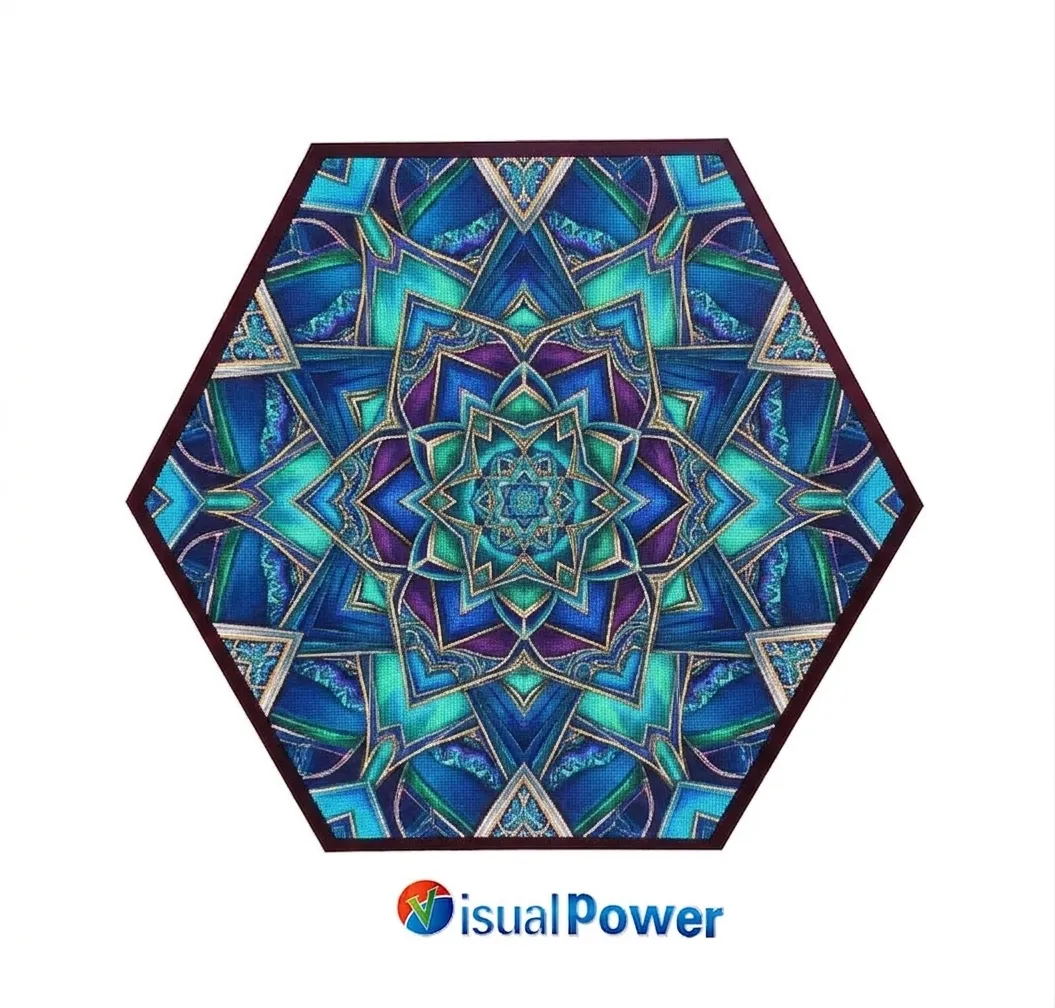 Affichage LED hexagonal: Comment les écrans géométriques transforment les expositions modernes
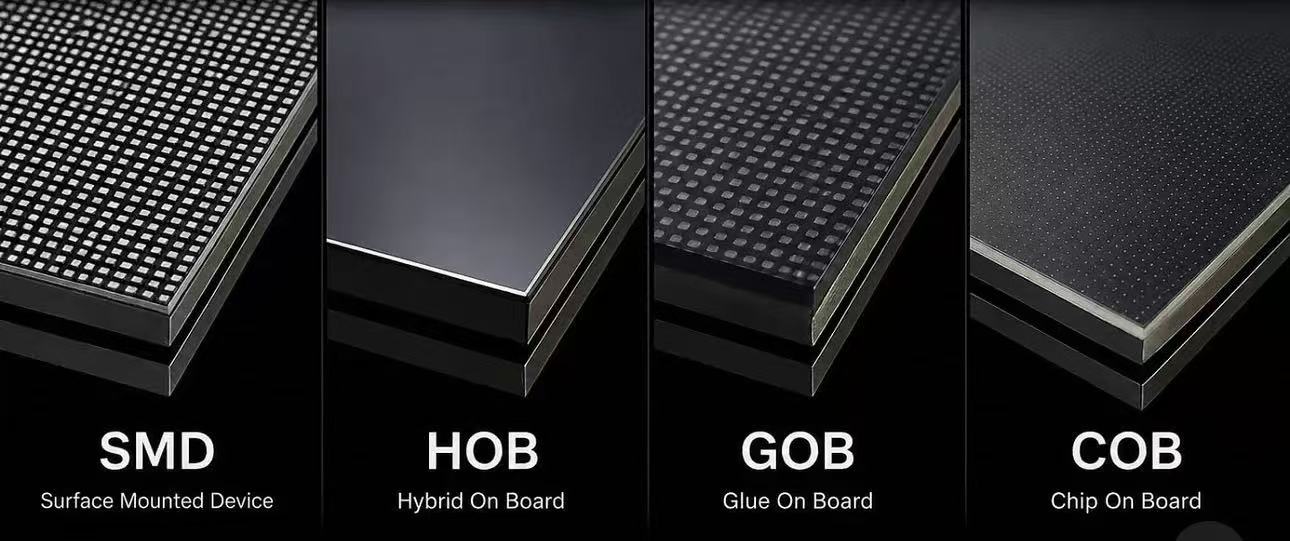 Différence du module d'affichage LED SMD GOB HOB COB
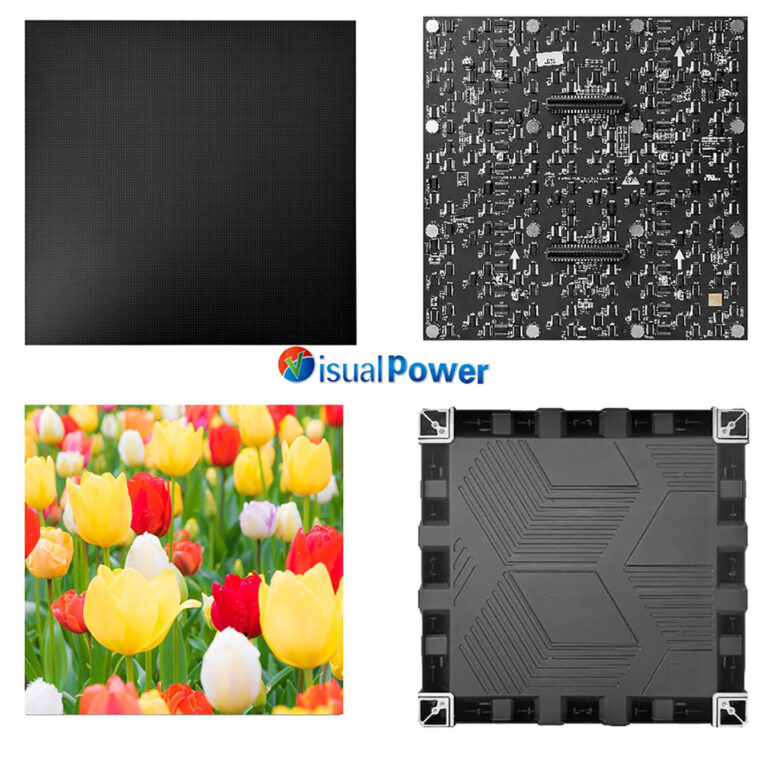 Pourquoi les musées se tournent vers les écrans LED à pas fin pour un meilleur engagement des visiteurs
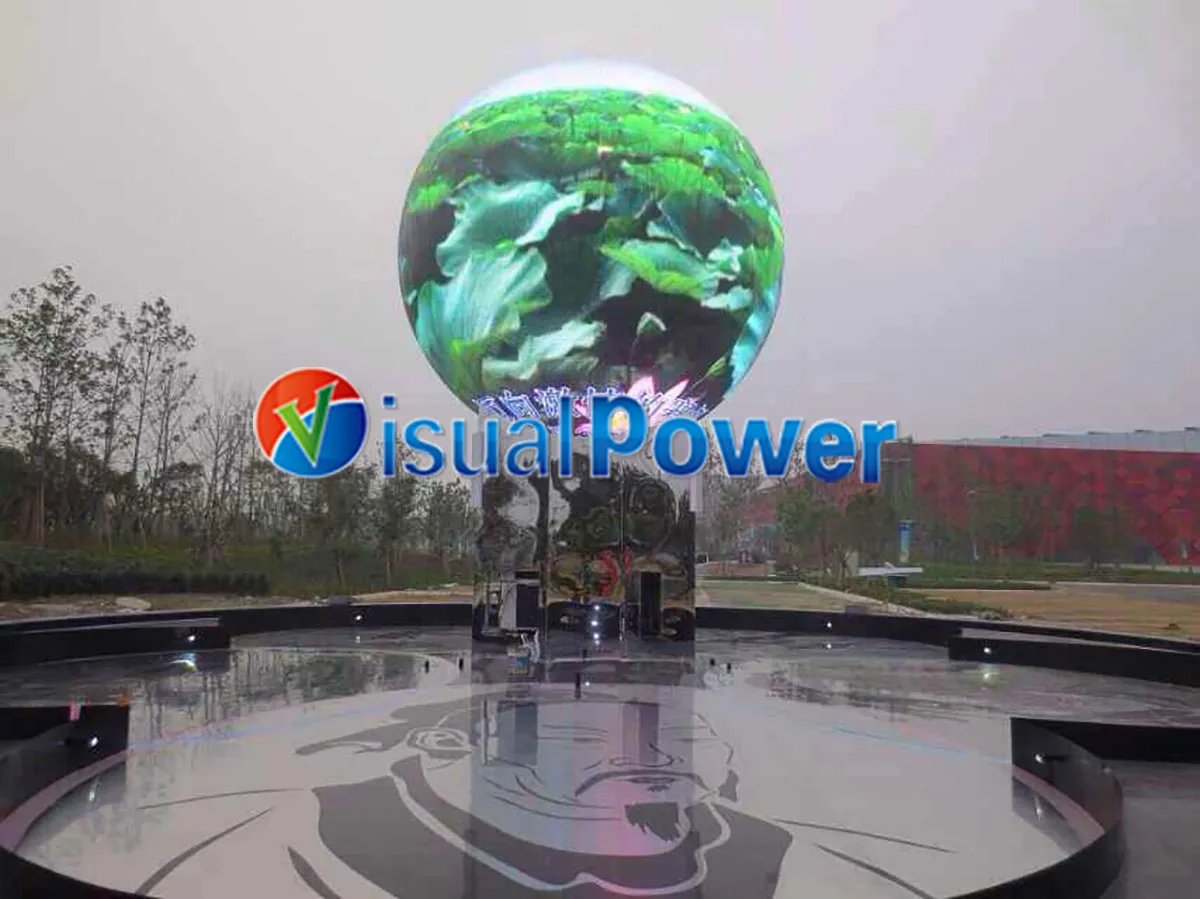 Vérités de l'industrie de l'affichage LED Sphere: Coût, Contenu, et les risques de conception expliqués

 Directeur commercial