The Poster LED Display in my eyes: It’s not just a “vertical screen display,” but a tool for scene reconstruction
I’ve always been the kind of person who’s pretty indifferent to technology. When I hear about a new device, new concept, or some buzzword, my first instinct is always to ask, “Can this thing actually solve a real problem?” So when I first encountered the Poster LED Display, I honestly didn’t expect much. To me, it looked like just another vertical LED screen—like an oversized iPad or maybe a trendier billboard.
Then came a brand pop-up event I helped plan, where I had to set up a temporary booth. We were short on space, short on time, and definitely short on budget. Someone suggested using Poster LEDs. I thought to myself, “Can this really pull it off?” But reality proved me completely wrong.
Since then, my view of the Poster LED Display has totally shifted. It’s not just a “device.” It’s something that adapts to modern spaces, business needs, and how we communicate. It’s a flexible content carrier—and often, it’s been the master key that helped me unlock solutions in project after project.
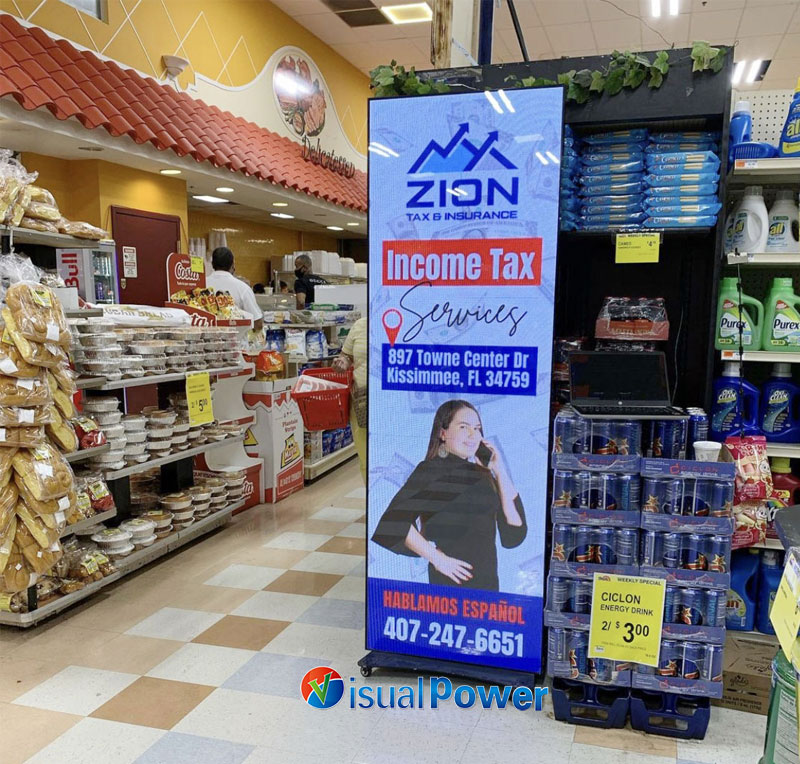
Its brilliance isn’t in the specs—it’s in being usable everywhere
Poster LED Displays have a sleek, minimalist design. Most models follow a 16:9 ratio, looking like a vertical canvas. They’re usually under 40mm thick, with sliding bases, and some can be wall-mounted or suspended. Unlike traditional LED setups that require heavy structures, this feels more like a plug-and-play mobile display.
For that pop-up event, we only had 8 hours to get everything ready. Large-scale structures were out of the question. Projections required too much environmental control, and LCDs were too fragile and dim. But we rolled out four Poster LEDs, plugged them in, synced the content online, and had them up and running in under an hour. People started stopping to watch one after another.
That’s when I realized: this wasn’t just about being “displayable.” It was about being displayable anywhere, anytime—and with zero compromise on image quality.
Freeing the screen: This isn’t replacement—it’s liberation
I’ve used a wide range of display tech—from massive LED walls, to touch LCDs, to projection systems. Each has its limitations. Only the Poster LED broke my assumptions about what a “screen” should be.
It’s not trying to replace anything. It’s making content expression lighter and freer. You can roll it into any corner yourself. Use a few units as a unified info wall, or break them up into standalone touchpoints. Switch templates for different content on the fly—no need to rebuild a playback system from scratch.
At a corporate annual press conference, we placed over a dozen Poster LEDs throughout the venue. They played synchronized countdowns, welcome notes, brand messages, interactive prompts—you name it. People kept saying, “This event feels super high-tech.” What they really felt was presence. The content was everywhere—but never in the way.
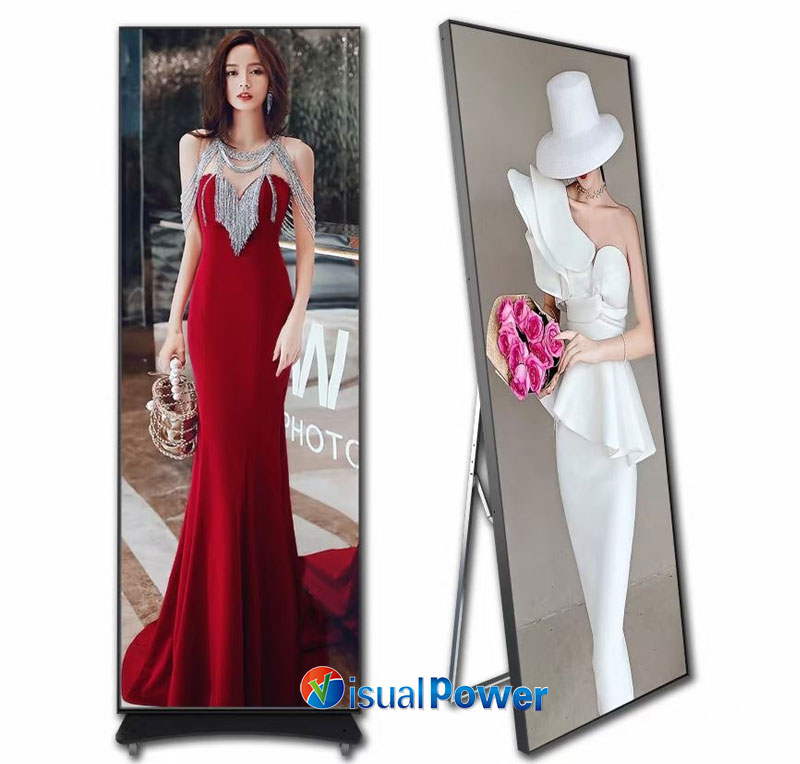
The brightness and clarity rival large-scale displays
I’ll admit, I doubted how much punch something so slim could deliver. But the first time I used a Poster LED outdoors on a bright afternoon—I was stunned.
Top-tier models push past 1000 nits of brightness and stay perfectly visible under strong sunlight. The viewing angle is close to 180°. No color washout, no distortion. The gradients are smooth, and video transitions look cinematic. We’re talking small-size, pro-level output here.
Plus, thanks to modular design, maintenance is easy and rare. During a visual arts exhibit, I had 4K videos looping for seven straight days. Not a single glitch. It ran flawlessly—no overheating, no downtime.
With visualpower, I finally understood “content first, device invisible”
I’m kind of obsessed with the purity of content. So many times, we want the audience to focus on the content, but the device is too loud—visually speaking. It steals the show. The design of Poster LED Displays, especially from brands like visualpower, takes the device a step back and puts the content front and center.
The first time I used visualpower’s model was during a brand space upgrade. The bezels were ultra-thin, practically invisible. The matte black surface had zero glare. Once powered on, it looked like the content was floating. Audiences couldn’t see any seams or structure—they were immersed in pure visual storytelling.
That kind of technological invisibility is rare. In projects aiming for peak brand experience, this is the design strength I care about most.

It’s not just a device—it’s part of your display strategy
I tried putting Poster LEDs on the backup list, but found they kept becoming the stars of the show. From personal experience, they shine in scenarios where few others can compete:
Retail: In industries like fast fashion, luxury goods, or premium electronics where visuals matter, a moving Poster LED in a storefront draws far more attention than a static image.
Corporate reception areas: They replace clunky signage, update content easily, and let you show off brand values or welcome messages in real time.
Exhibits and press events: Portable and fast to set up—no need for rigging or heavy labor. And the visuals still wow.
Schools and hospitals: Perfect for info boards or wayfinding systems. Eco-friendly and far more dynamic than paper signs.
Theaters and art spaces: Ideal for video installations or interactive digital works.
Let the numbers do the talking: it saves time, energy, and cost
One project made it crystal clear. For a display area of equal size:
Traditional LED setup: 3-person team, 2 full days to install.
Poster LED (5 screens): 2-person team, half a day.
That’s over 50% saved in labor and time alone. Disassembly is equally simple. The built-in wheels and stands mean a small truck handles transport with ease. If you’re frequently on the move, this is a game-changer.
Even better: if one unit fails, just replace that module. The rest keep running. That modular maintenance saves you tons of stress and downtime.
Final thought: It’s not a display—it’s an interface for spatial information
At the end of the day, Poster LED Displays aren’t about hardware upgrades. They’re about transforming how we express content. From just “putting up a screen” to sharing stories anywhere, anytime.
I no longer see it as a screen. It’s an interface—a live, flowing connection between space and information. It’s not just another piece of hardware. It’s part of the expression. Part of the story.
And in today’s age of information overload and short attention spans, Poster LED Displays answer a critical question in their own unique way: “How do you make sure people see and remember you—fast?”



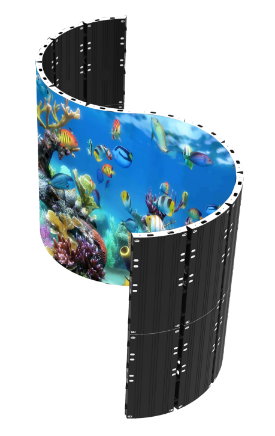 The LED Displays Everyone’s Asking About in 2026 (And Where They Work Best)
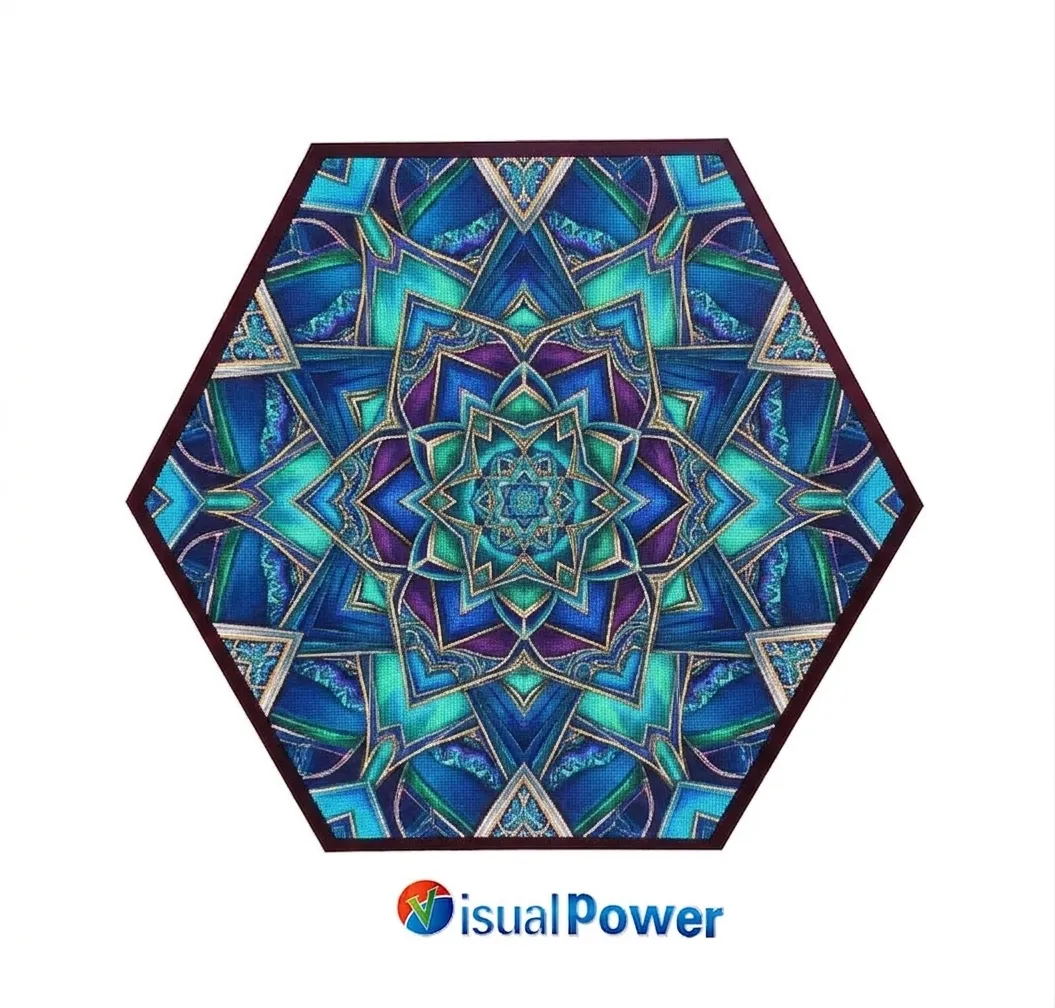 Hexagon LED Display: How Geometric Screens Are Transforming Modern Exhibitions
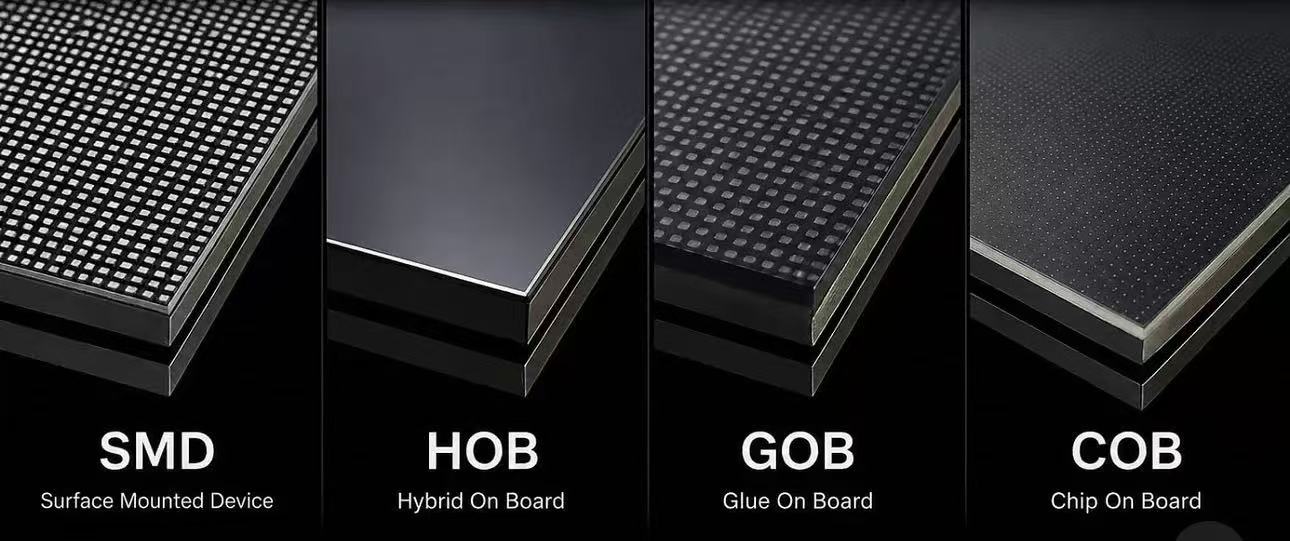 Difference of SMD GOB HOB COB LED display module
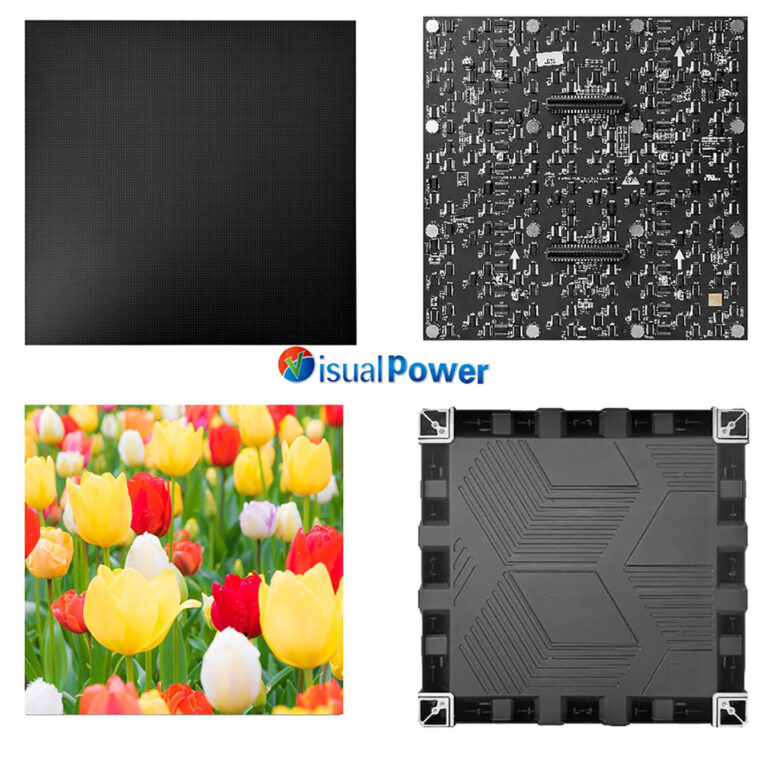 Why Museums Are Turning to Fine Pitch LED Displays for Better Visitor Engagement
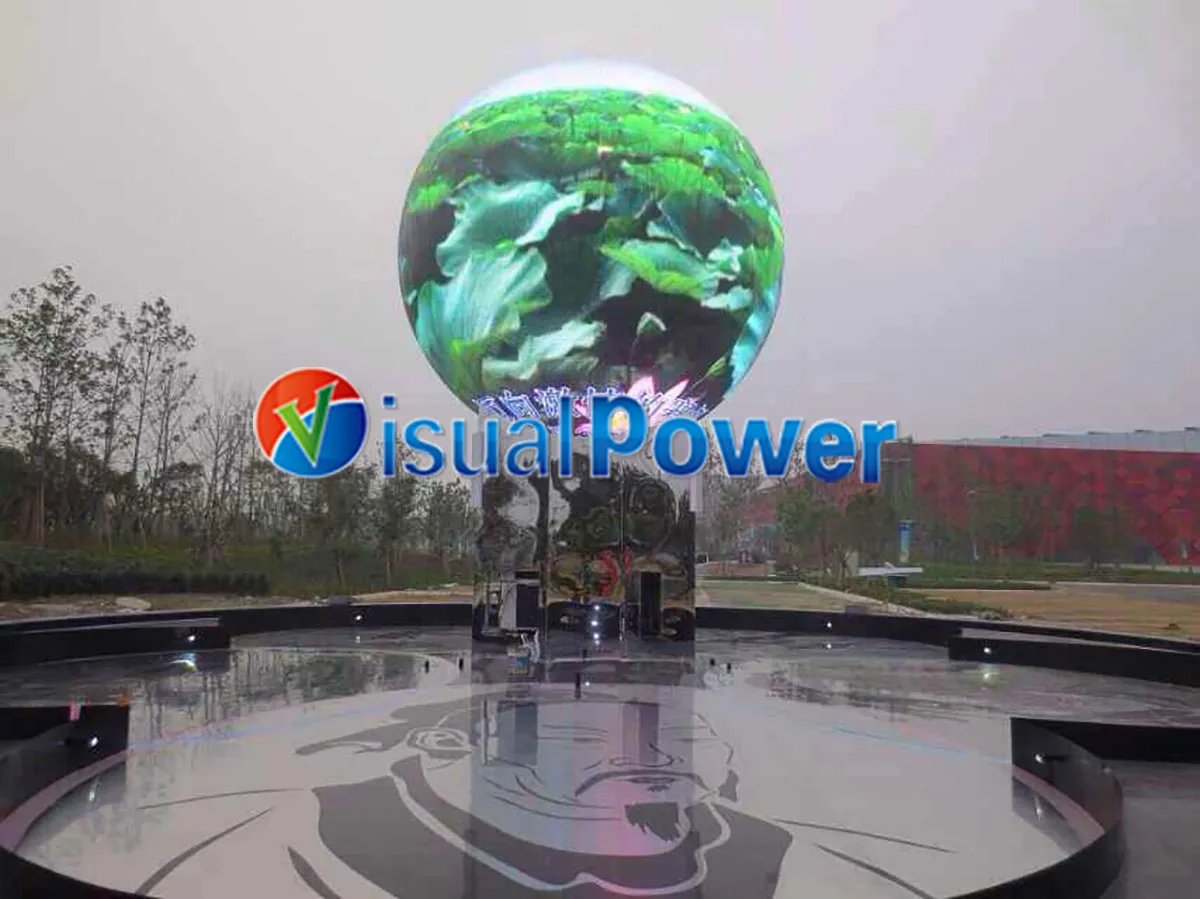 Sphere LED Display Industry Truths: Cost, Content, and Design Risks Explained

 Sales Manager