When I first truly understood that space could actually feel alive
I always thought that my understanding of spatial design was already deep enough. Whether it’s the theme exhibition areas of large-scale exhibitions, the visual displays of retail stores, or various impromptu press conferences, I am accustomed to using lighting, materials and furnishings to endow the space with more layers. I even experimented with projections and mechanical setups to create an atmosphere.
It was not until I encountered the sphere LED display that I realized that the “sense of life in space” could be completely reshaped.
It was at the scene of an international Design Week. In the center of the exhibition hall hangs a spherical LED display screen with a diameter of nearly three meters. The picture gradually transitions from the aurora to the vast universe, and then switches from the city skyline to the microscopic world of a single drop of water. At that moment, I had a very strange feeling – the “center of gravity” of the entire space was redefined, and everyone’s eyes were firmly drawn to this “suspended planet”.
Standing there, I suddenly understood: The reason why a space can make people linger is not because of how much decoration it has, but because it has a “soul” that can make people stop and linger.
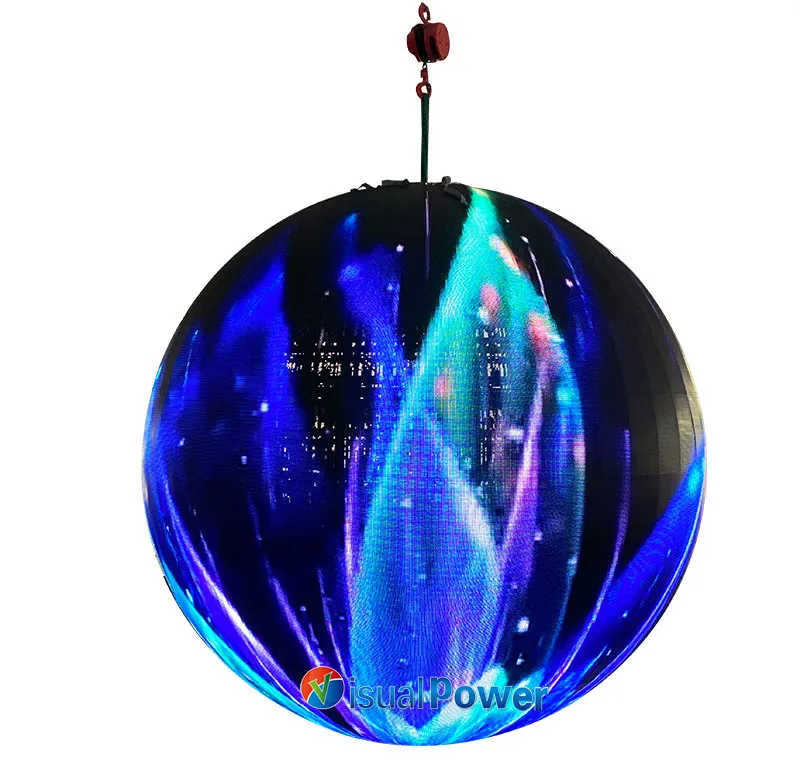
sphere LED display
Why did I start to seriously consider sphere LED display
Back to work reality, I am currently in charge of a renovation project for a comprehensive commercial space
The customer reception area aims to create an immersive experience, making every visitor “remember this place”.
The multi-functional release area should be impactful yet not be restricted by the form of the screen.
I have used the traditional rectangular screen countless times: landscape, portrait, and spliced large screens. No matter how I adjust the picture, in the end, it is just an “information outlet” and cannot change the overall temperament of the space.
What I need is a medium that can transform the spatial experience, not merely a tool for outputting content.
Then, sphere LED display came onto my radar.
The three characteristics of spherical screens that truly touched me
1. 360° immersion
The spherical structure makes the visual sense lack boundaries. No matter which corner of the space one stands in, the picture can naturally extend out, drawing people in unconsciously.
2. The “Center of Gravity” of Space
Rectangular screens always emphasize “viewing”, while spherical leds are more like the “visual center” of space, with a floating presence that makes the surrounding environment seem to breathe around it.
3. The integration of information and space
Unlike traditional display devices, spherical screens are not “additional content carriers”; they can become part of the space. Whether hung in the atrium, embedded in the ceiling, or placed in the center of the exhibition area, it can naturally blend into the architectural language.
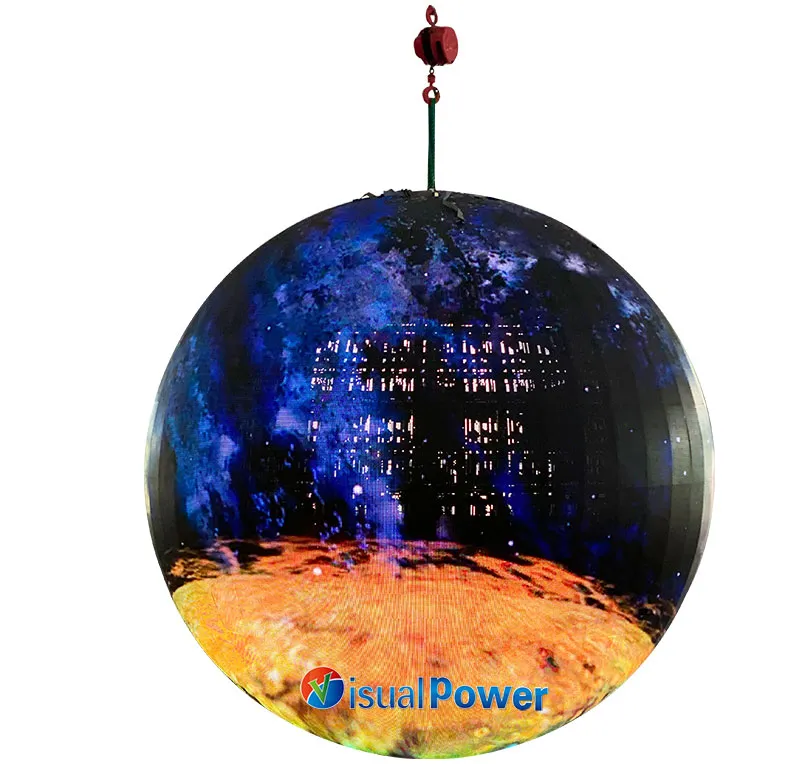
sphere LED displays
The first attempt to install sphere LED display
When I proposed installing a two-meter-diameter spherical LED in the reception area of the project, the team almost unanimously questioned:
“A spherical screen?” Wouldn’t it be very abrupt?”
“Is the installation cost high?” Isn’t maintenance very troublesome?”
Can it really change the experience?
I was also nervous until the moment it was lit up
The picture is a set of slow animations with the theme of “The Eye of Time and Space”. The low-saturation colors and a rhythm that seemed to breathe instantly changed the vibe of the space.
All team members stopped in their tracks without exception, and some even let out a soft “Wow!” At that moment, I was convinced that this was exactly the effect I wanted.
The space really “came back to life”
After installation, the entire commercial space went through changes you could literally see.
The customer’s stay time has been significantly prolonged
In the past, customers usually stayed in the reception area for a short while. Now, they are willing to spend a few more minutes to “experience” this space, and some even ask about the content played on the screen proactively.
The working experience of the team has been enhanced
A small spherical LED background wall was installed in the meeting area, playing soothing dynamic pictures. The team reported that the discussion atmosphere was much more relaxed than before.
Unexpected ripple effects
Customers and visitors like to take pictures in front of the “suspended sphere” and post them on social media. The focus of the comment section is no longer on our business, but on this “breathing space”.
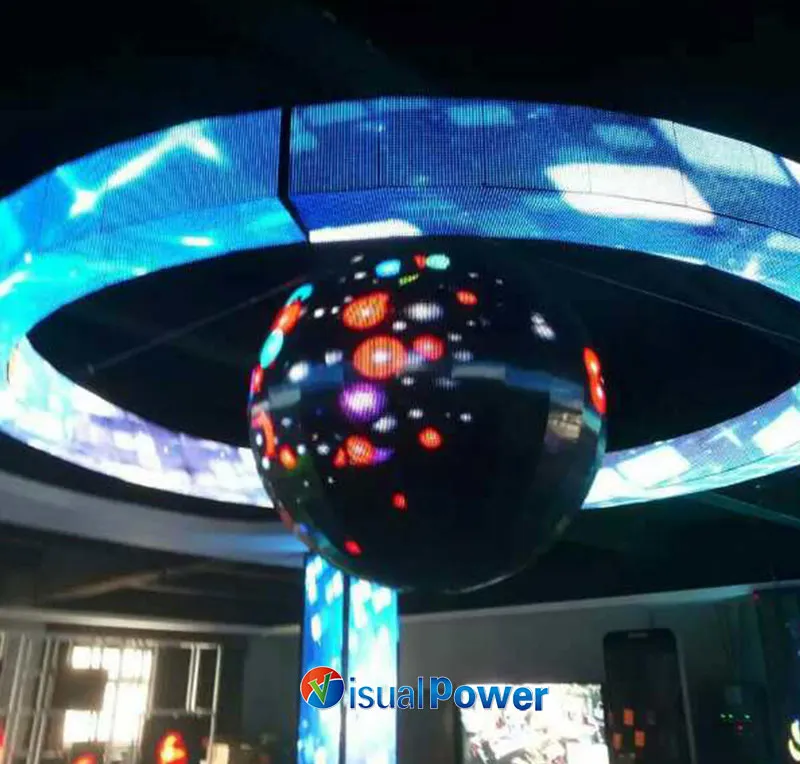
spherical-LED-display
Why does the sphere LED display have such magic?
After much deliberation, I came up with the answer:
It’s not that the brightness won, but that it “awakened” the space.
From “display” to “Experience” : Traditional leds emphasize output content, while sphere LED display makes the space itself a part of the experience.
Breaking the visual boundaries: Spheres and curved surfaces are closer to natural aesthetics, and thus the space has a greater sense of flow and enveloping.
Reduce the sense of information interference: The images no longer forcibly compete for attention like billboards do, but create an atmosphere in a gentle way.
The content is the “soul” of the spherical screen
I soon realized that the screen is merely hardware; it’s the content that truly brings the space to life.
Avoid “advertising-style” output
Constantly looping logos or promotional videos will only make people feel disgusted. Spherical screens are more suitable for creating an atmosphere rather than forcefully conveying information.
The picture needs to “breathe”
The pace should not be too fast. Leaving some visual breathing room can make the space feel more alive. I like to use slow abstract animations or natural landscape pictures best.
The content matches the spatial function
The exhibition area can attract attention with more dynamic visuals, while for the reception area, I prefer low-saturation tones to enhance the sense of comfort.
Some lessons learned during the installation process
If you are also considering introducing spherical LED displays, these points can help you avoid making mistakes
Structural planning takes priority: The weight, power supply, control system and suspension structure must be designed in advance; otherwise, the rework cost in the later stage will be very high.
Choose a stable control system: Especially when multiple screens are spliced together, synchronization and delay are key.
The content should be specially customized: Do not simply transplant flat content; spherical display requires a unique visual language.
Adopt modular design: Modular solutions (such as Visualpower) can significantly reduce maintenance difficulty and costs.
The sphere LED display has redefined my understanding of “spatial design”
In the past, I always believed that the sense of high-end quality came from expensive materials and high costs. Now I understand that true texture comes from whether a space can “speak”.
For me, the sphere LED display is like the “soul core” of the space, allowing people to be enveloped by the atmosphere as soon as they step in.
Which scenarios are most suitable for sphere LED displays?
I have summarized several application scenarios that can best leverage the advantages of spherical screens:
Exhibition centers, temporary exhibitions, art installations
Brand flagship stores and experience centers
High-end office areas and conference centers
Hotel lobby, commercial complex, science and technology museum
Any space that needs to create a visual focus and immersive experience
The takeaway is pretty simple:
As long as the content and rhythm are properly designed, sphere LED display can almost turn any space into a “storytelling place”.
My ultimate realization
The sphere LED display not only broadened my design toolbox, but also enabled me to re-understand the word “space”.
Space is no longer a fixed boundary but a canvas that can be rewoven.
If you are also looking for a medium that can truly activate space, perhaps the spherical LED display screen is the answer.



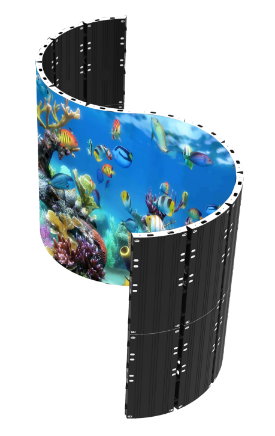 The LED Displays Everyone’s Asking About in 2026 (And Where They Work Best)
 Hexagon LED Display: How Geometric Screens Are Transforming Modern Exhibitions
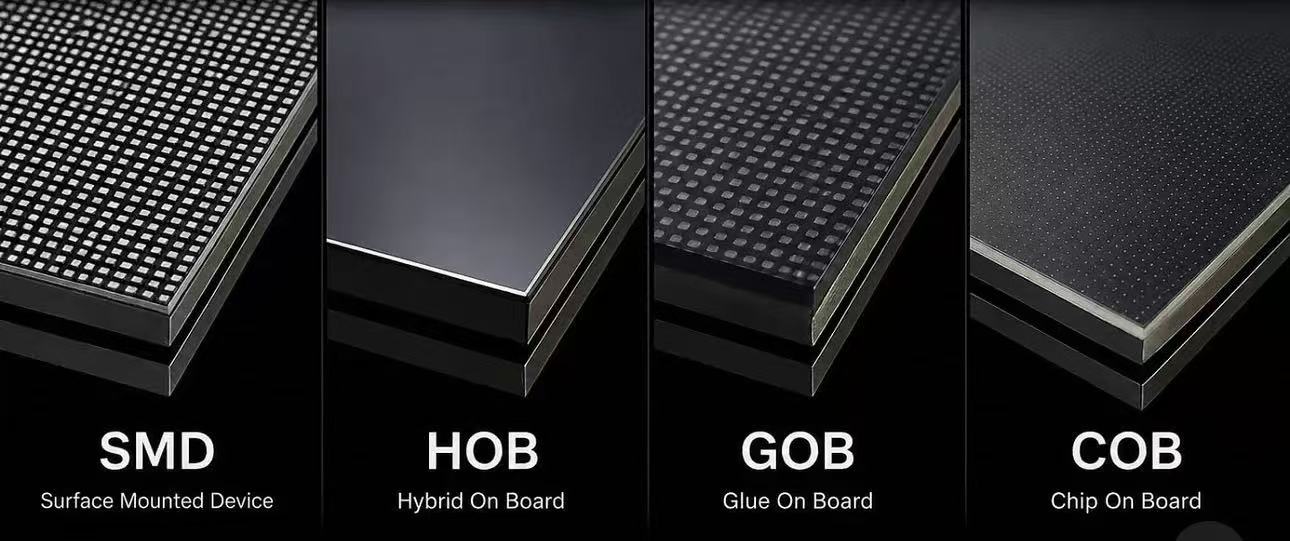 Difference of SMD GOB HOB COB LED display module
 Why Museums Are Turning to Fine Pitch LED Displays for Better Visitor Engagement
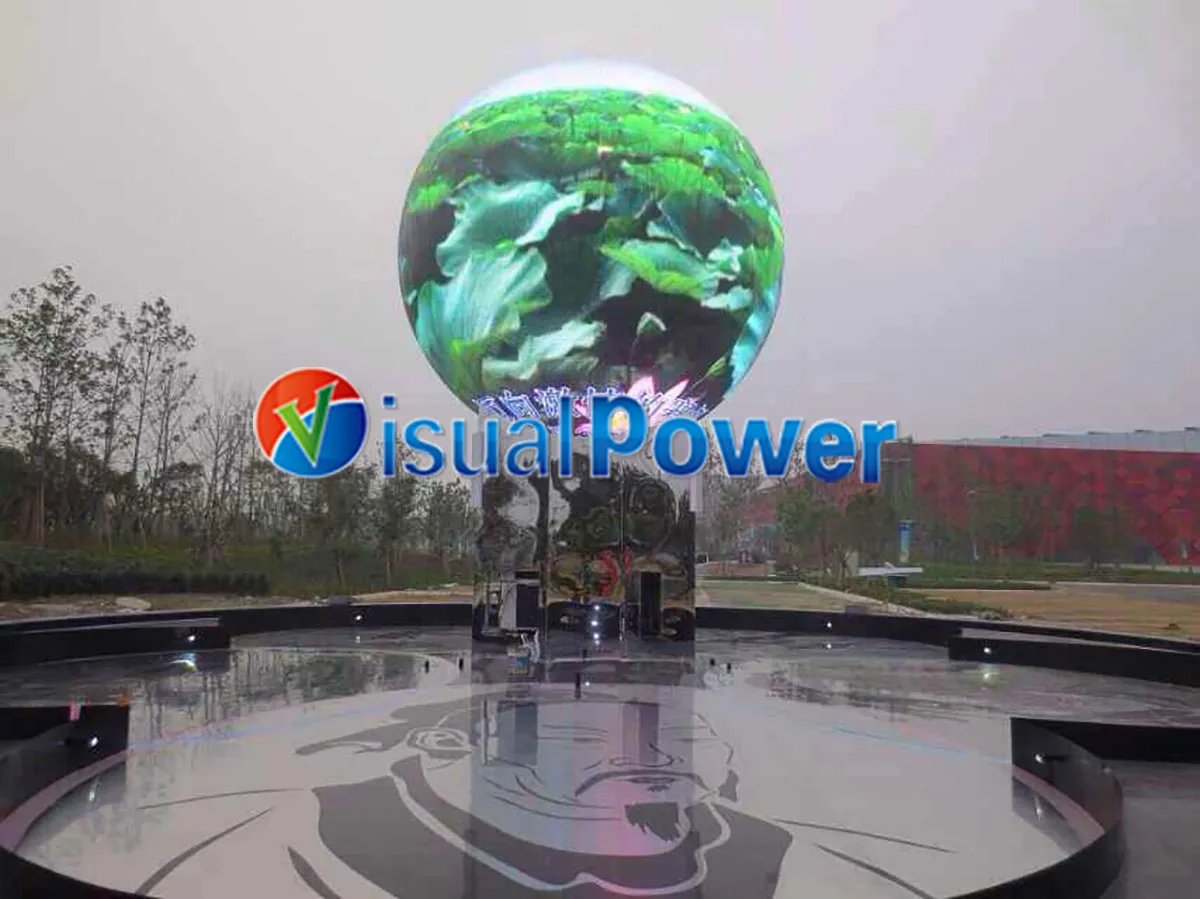 Sphere LED Display Industry Truths: Cost, Content, and Design Risks Explained

 Sales Manager