When I first truly understood that “space can be reshaped”
I always thought that my space design was already quite flexible. Whether it’s the booths at exhibitions, the visual displays in retail stores, or the live brand launch events, I always try to make the space look “dynamic”. I have even attempted to use projections, lighting, and mechanical devices to create a changeable atmosphere.
But it was not until I saw the Flexible LED display for the first time that I realized my understanding of “spatial flexibility” was still superficial.
That was at an art installation exhibition. The curatorial team used flexible LED screens to “weave” an curved tunnel on site, with the picture gradually transitioning from the meteor shower in the distance to the morning light and waves nearby. When I stood in it, I had a very strange illusion – the wall was no longer a rigid boundary but was “sucked in” by the picture.
At that moment, I suddenly realized that space could be “breathing”.

Flexible-LED-display
Why did I start to seriously consider flexible LED displays
Back in the real world of work, the project I’m currently in charge of is a comprehensive business project:
The multi-purpose exhibition area requires frequent theme changes.
The customer reception area needs to leave a memorable impression.
The event and release area should take into account both visual impact and flexible layout.
I have used traditional hard screen solutions countless times: rectangular, seamless panels, and vertical screen digital signage. No matter how the content of the picture is adjusted, it always makes people feel that “this is a screen”, and the overall sense of space has not been truly changed.
What I need is a medium that can “change the sense of spatial structure”, rather than a simple information output tool.
So, flexible LED display screens came into my view.
Several features of flexible screens that shocked me the most
I have summarized three key words to explain why they can completely transform the logic of spatial design for me:
1.Bending and Fitting
No longer limited by flat forms. Flexible LED screens can be rolled into arc shapes, wavy shapes, or even encircled around columns. This means that I can make the information “follow” the form of the space instead of forcing the space to adapt to the screen.
2.Borderless visual immersion
In the past, screens always emphasized the “frame effect”, but the splicing of flexible leds can almost achieve seamless connection. The audience’s attention will be enveloped by the entire visual experience rather than interrupted by the boundaries of the screen.
3.The integration of space and content
Traditional leds are more like “a content window”, while flexible leds are more like a part of the space itself – walls, ceilings, and columns can all serve as information carriers.
This means that the content is no longer the “object being watched”, but has become the environment in which people are situated.
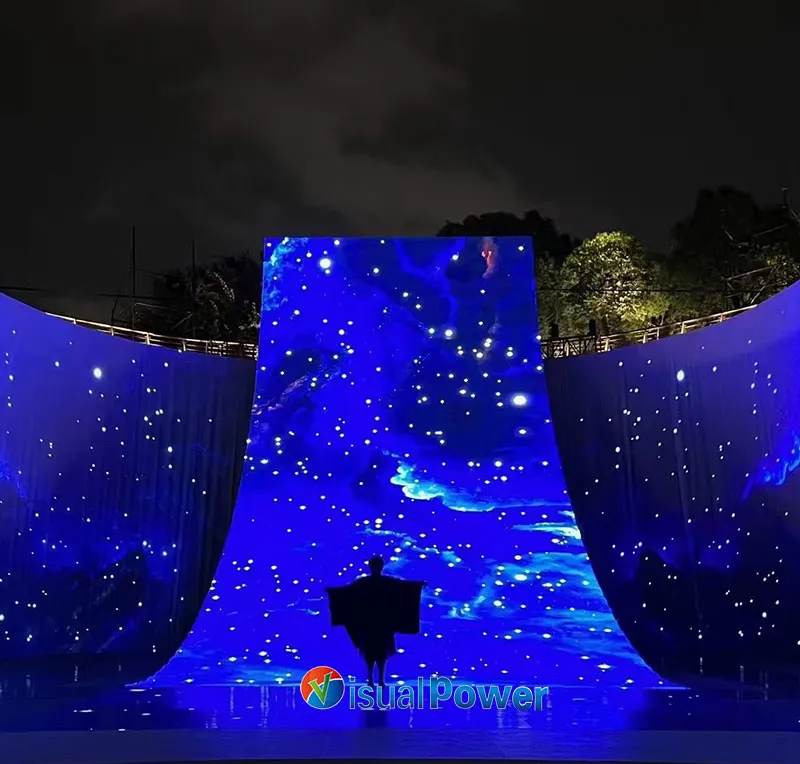
Flexible-LED-display-screens
It was the first time I tried flexible leds in my own project
When I first installed flexible leds in the customer reception area, almost everyone in the team was skeptical.
“Will the picture be distorted if the screen is bent?” ”
“Will the setup costs be too high?” ”
Can this thing really bring a different experience?
I myself was also a little nervous. Until the moment it is turned on –
The scene is a slowly flowing abstract art animation, with a gentle blue and green gradient spreading along the curved wall like breathing.
Someone in the team stopped on the spot and couldn’t help reaching out to “touch” that glowing wall.
At that moment, I realized:
Flexible LED screens are not merely information carriers; they reshape the “physical sense” of space.
The “temperature” of the space has really changed
After the installation was completed, the changes in the entire space were almost visible to the right before our eyes
The duration of visitors’ stay has significantly increased
In the past, customers would usually sit down briefly in the reception area and then get to the point. Nowadays, they are more willing to “take a look”, and sometimes even proactively ask about the story behind the content on the screen.
The team work experience has been enhanced
A small section of flexible LED background wall has been installed in the office area, which usually plays soothing dynamic visuals. The team reported that the sense of pressure at work has decreased and the discussion atmosphere has become much more relaxed.
Intangible communication effect
Some customers posted photos with the “breathing wall” on social media. The focus of the discussion in the comments section was no longer our business, but this “space with a soul”.
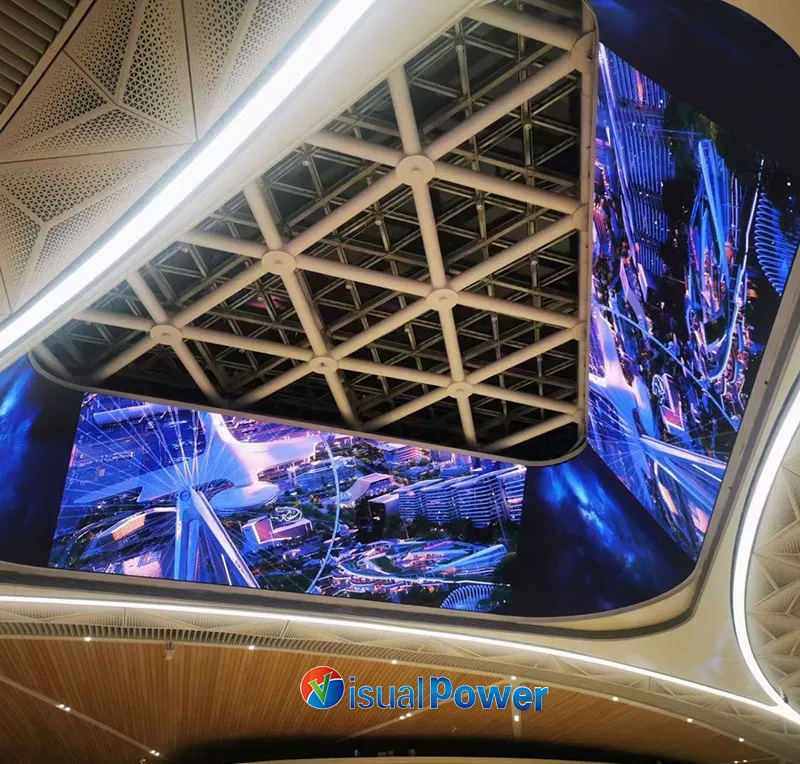
Flexible-LED-display
Why can flexible leds bring about such a “magical” effect?
I have been thinking about this issue and the conclusion I have reached is:
It’s not a brighter screen, but a tool to activate space.
From “Display” to “Immersion” : Traditional leds emphasize the output of content, while flexible leds turn the space itself into content.
Breaking the sense of rigidity: Curved surfaces and arcs make the space no longer appear “rigid”, closer to the curve aesthetics of nature.
Make information feel less intrusive: Content no longer forcibly captures attention like billboards do, but instead becomes a gentle atmosphere.
Here are a few of my experiences regarding content
Later, I discovered that the screen itself is merely a “container”; it is the content that truly endows the space with a soul.
1.Avoid “advertising”
Constantly looping the LOGO and promotional video will only make people subconsciously ignore it. The advantage of flexible leds lies in creating an atmosphere rather than imparting information.
2.White space and pacing
The picture doesn’t have to be dense or dazzling. Appropriate White space gives the room room to “breathe”. I like to fill it with slow abstract animations or natural scenes the most.
3.In coordination with spatial functions
In the exhibition area, I will use more dynamic visuals to attract traffic. In the reception area, I prefer to use low-saturation tones to enhance comfort and the willingness to stay.

flexible LED display module
Pitfalls encountered during the installation process
If you are considering introducing flexible LED displays, these points may help you avoid detours
Structural planning comes first: The curvature, weight and installation structure of the screen must be planned in advance; otherwise, the cost of rework later will be huge.
Choose the right control system: Stability is the key, especially when multiple screens are seamless panels together. The control system must be synchronized without delay.
The matching of content and space: Do not simply copy the flat content. The curvature and splicing characteristics of flexible screens need to be customized.
Go for a modular design: Brands with modular designs (such as Visualpower) can significantly reduce maintenance costs.
Flexible leds have redefined my “design perspective”
In the past, I thought that the sense of high-end came from materials and cost. Now I understand that the true sense of high-end comes from whether the space is “alive”.
For me, the Flexible LED display is like the “second skin” of the space, which can breathe, stretch and contract according to the content and emotions.
Which scenarios are most suitable for flexible LED displays?
I have summarized several scenarios with the most prominent effects:
Exhibition halls, temporary exhibitions, art installations
Retail flagship stores and brand experience stores
High-end office areas and conference centers
Hotel lobby, leisure commercial complex
Any space that needs to create visual memory points and an immersive experience
The conclusion is simple: As long as the content and rhythm are designed properly, flexible LED displays can almost turn any space into a “place that tells stories”.
My final realization
Flexible LED displays have not only transformed my spatial design toolkit but also changed the way I view space.
Space is no longer a fixed boundary but a “canvas” that can be rewoven.
If you are also looking for a medium that can truly activate the space, perhaps you should give flexible LED displays a chance.



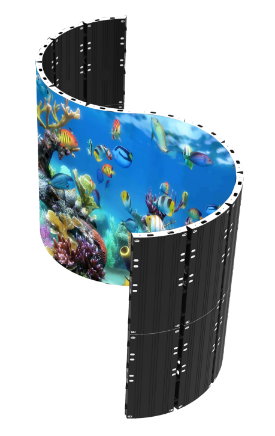 The LED Displays Everyone’s Asking About in 2026 (And Where They Work Best)
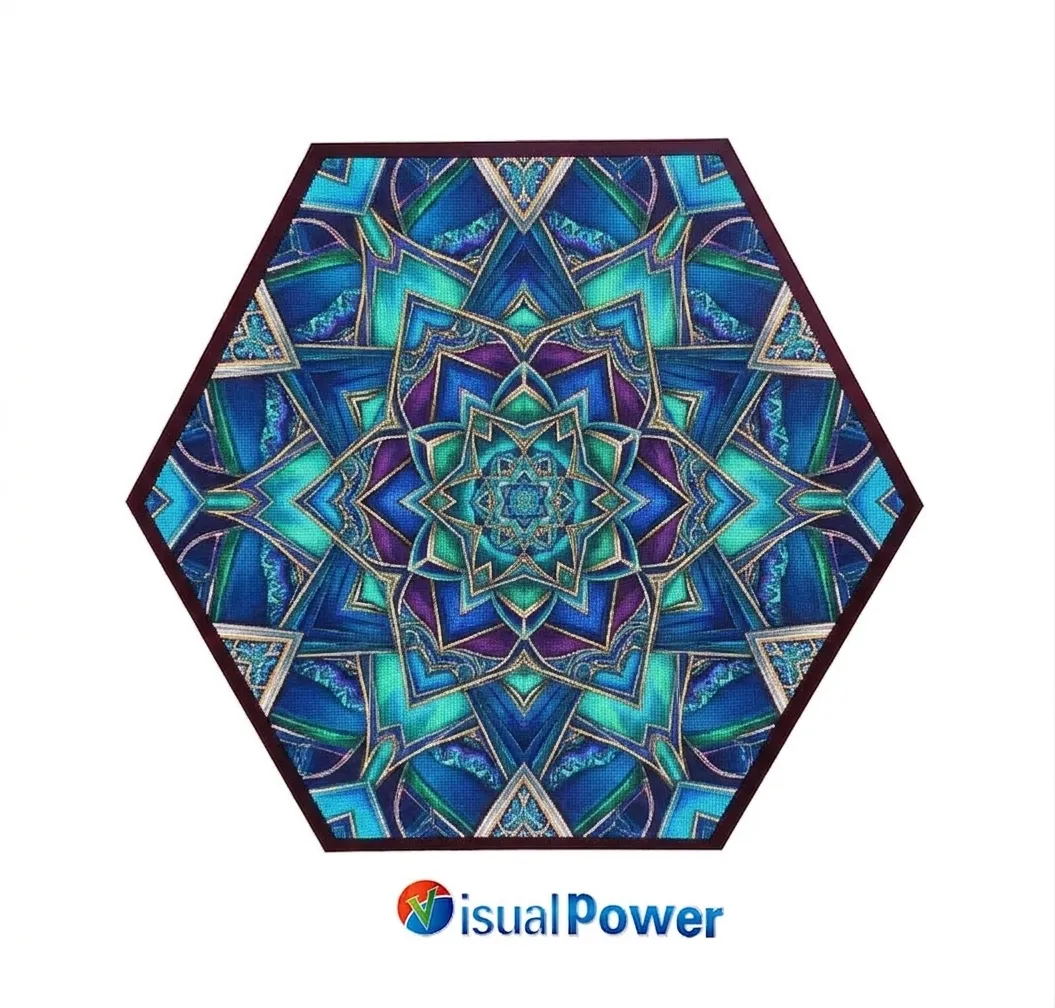 Hexagon LED Display: How Geometric Screens Are Transforming Modern Exhibitions
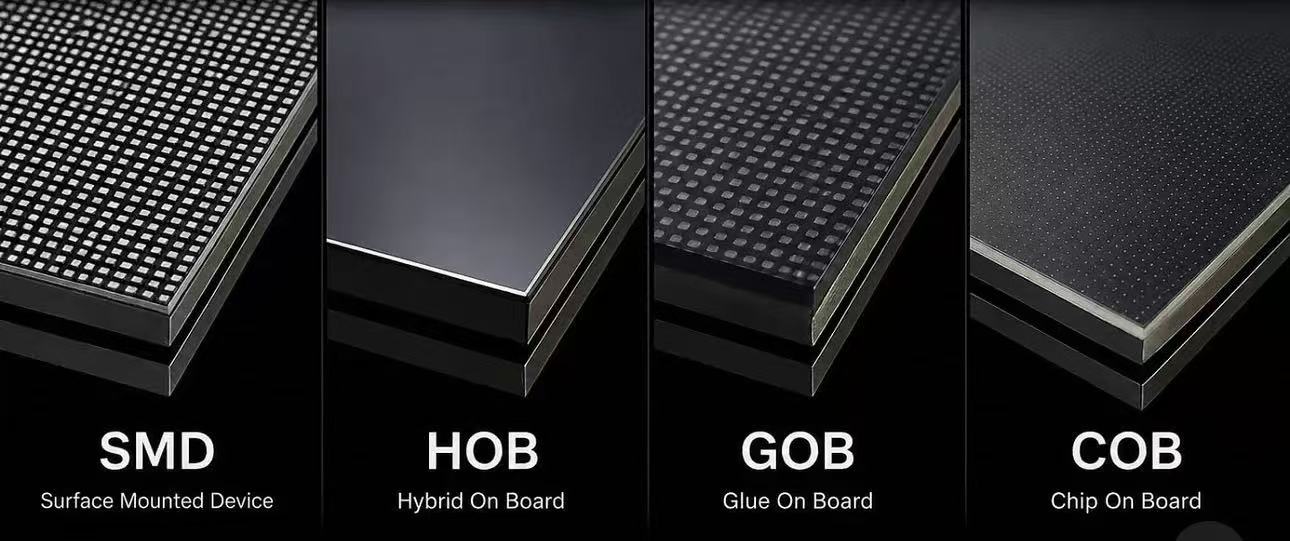 Difference of SMD GOB HOB COB LED display module
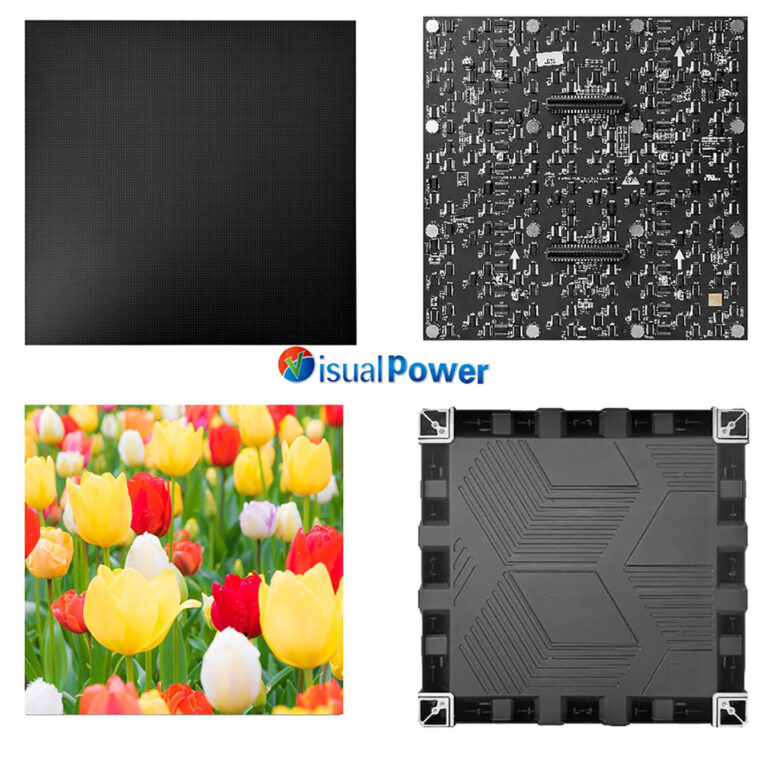 Why Museums Are Turning to Fine Pitch LED Displays for Better Visitor Engagement
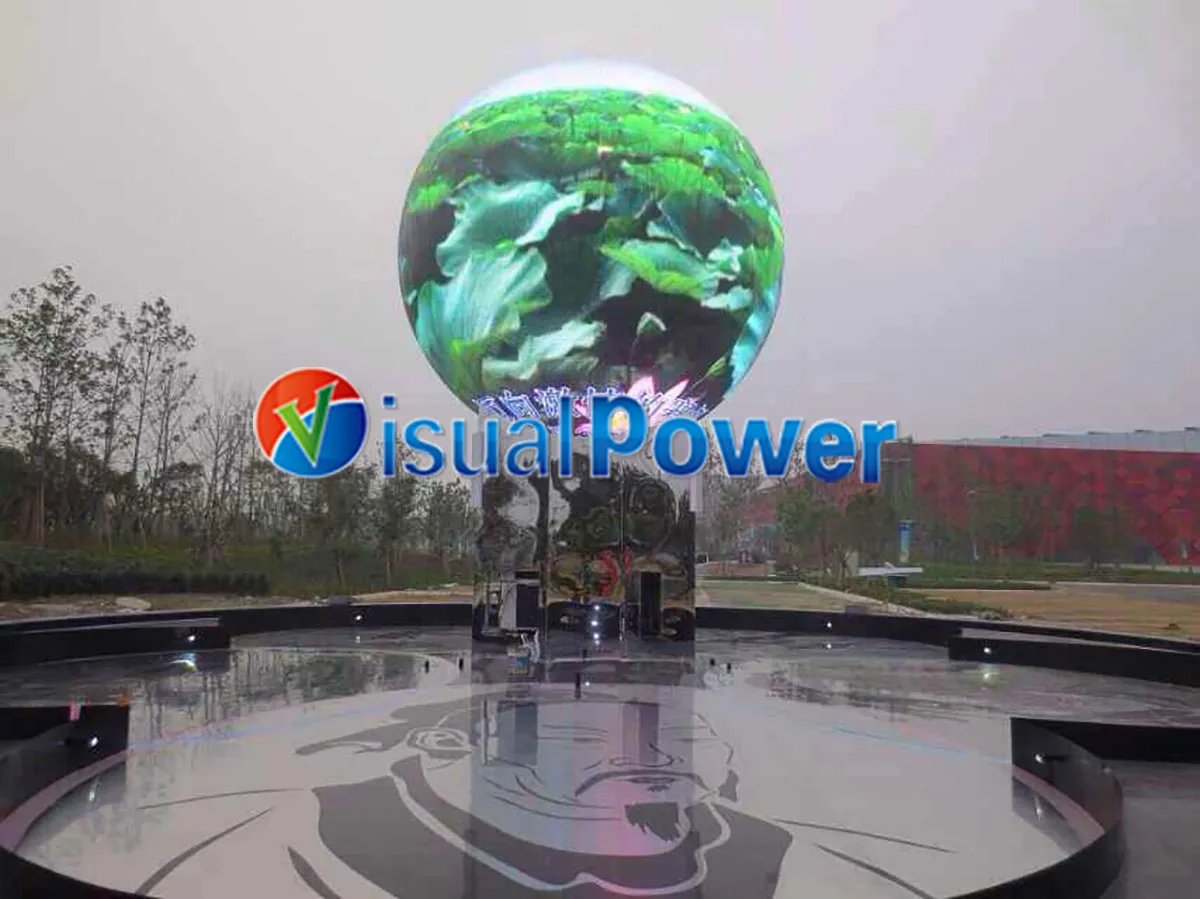 Sphere LED Display Industry Truths: Cost, Content, and Design Risks Explained

 Sales Manager