The moment I realized paper posters just didn’t cut it anymore
I used to think paper posters were all I needed. Whether it’s exhibitions, pop-up events, or promo walls in stores, I’m accustomed to using printed materials to convey information. The design effect is always excellent – bright color schemes, eye-catching slogans, and just the right amount of blank space.
But after actually hanging it up, I always felt that something was missing. People almost just glance at it, and most of them won’t stop at all. I have changed the visuals, adjusted the copy, and even used higher-grade paper, but the effect has remained unchanged.
It was not until I saw the Poster LED Display for the first time that I truly understood that a “poster” could exist in another way. It was while waiting for my flight at the airport that a super-thin LED screen suddenly lit up in the corner of my eye. The picture smoothly transitions from dazzling dynamic images to clear information updates. People who’d normally breeze past printed posters actually paused for a few seconds, some even pulling out their phones to snap a pic.
At that moment, I suddenly realized that my understanding of “posters” had been completely refreshed.
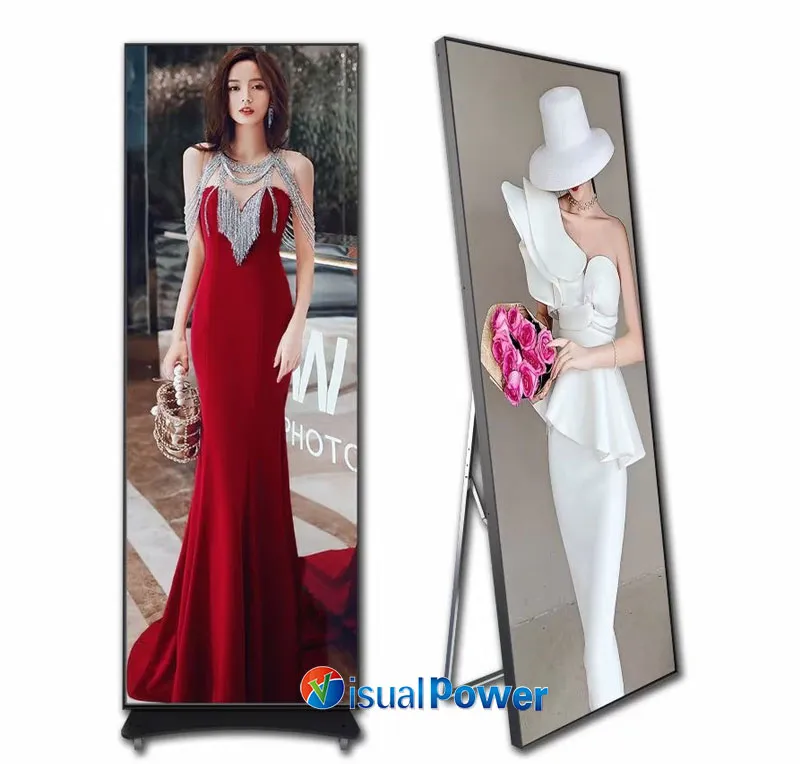
Why can poster LED displays attract me
Back at work, I’m still stuck dealing with the same old headaches:
The limited display space needs to generate a greater visual impact.
The frequent replacement of content makes reprinting expensive and wasteful.
The audience’s attention span is getting shorter and shorter, fleeting in an instant.
Traditional printed posters have been reduced to “background walls” and have almost no presence. What I need is a display medium that can keep up with the project’s pace and the audience’s expectations.
The emergence of poster LED display screens has precisely addressed these pain points that I was previously unaware of.
Three reasons that totally won me over
1. Truly flexible content updates
Once a printed poster is completed, only one piece of information can be fixed until it is replaced. Poster LED Display is completely different. I can loop through different pictures, texts and even videos. It can also be arranged by time – one set of content is broadcast in the morning, another at noon, and a new theme in the evening, and I don’t even have to lift a finger.
2. Slim and portable design
The first thing I noticed was its “lightness”. Many models are about the same thickness as a photo frame, They come with stands or wall mounts and can be moved around anytime. It is simply a lifesaver for exhibitions and events that need to constantly change their layout.
3. A genuine sense of “pause”
Paper posters are easily overlooked, but LED visual effects can almost instinctively make people stop in their tracks. The combination of brightness, dynamic images and high resolution will create a “screen-flooding moment” in the real world. Even in a noisy shopping mall, one can still catch the attention of passers-by.
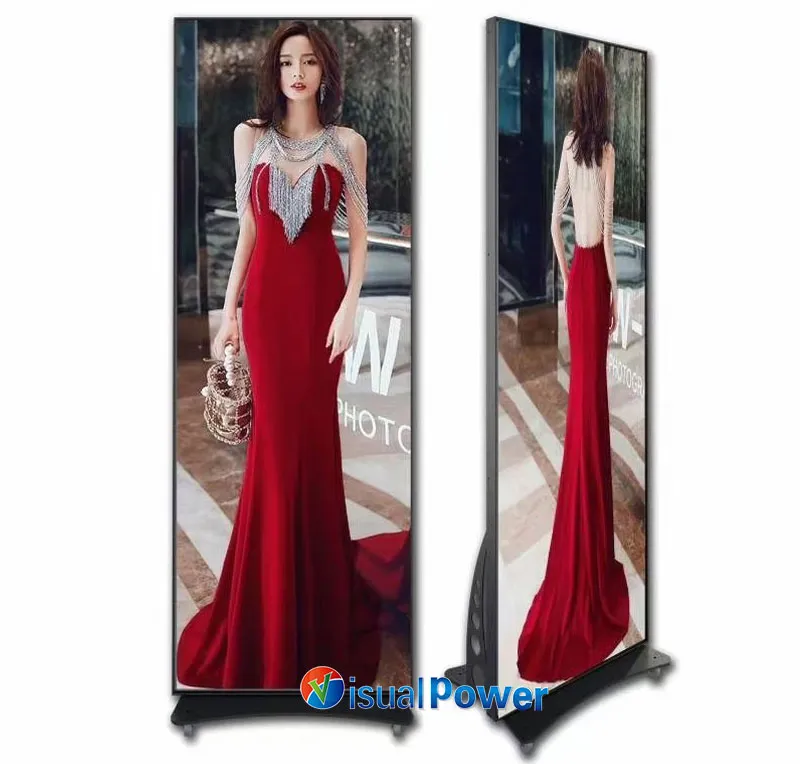
It was the first time I used it myself
I decided to try out the poster LED display at a high-traffic new product launch event. The team was not optimistic at first
“Isn’t it just an expensive electronic billboard?” ”
“Will anyone really stop?” ”
We place it at the entrance and run a looping animation: product highlights, key features, and quick CTAs.
It wasn’t long before people really stopped. Some took photos, while others moved closer to read the details. This display screen naturally becomes an interactive point, making it easier for us to start a conversation with the audience.
By the end of the event, the takeaway was obvious: this was not just a screen; it was a conversation initiator.
It has changed the way I work
1. Faster updates
Want to change the information? I can complete the push in just a few seconds. There’s no need to wait for printing anymore, nor are there any worries about expired posters piling up in the warehouse.
2. Lower long-term costs
Although the initial investment is higher than printing a poster, unlimited updates mean there is no cost for reprinting. In the long run, it is not only more cost-effective but also more environmentally friendly.
3. Insane versatility
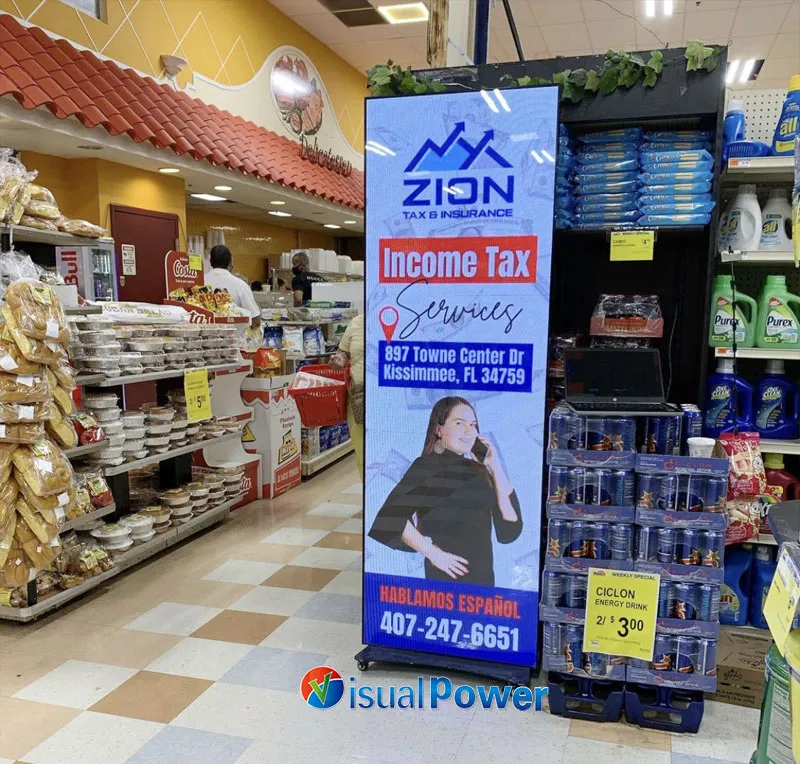
Whether wall-mounted, standing on a rack, or combined with multiple screens, Poster LED Display can seamlessly blend into different Spaces. I have used it to decorate retail stores, company front desks, and even art exhibitions, all without any sense of incongruity.
A few things I’ve learned about the content
The effect of a good poster LED display screen depends on the content it plays. My insight is:
Keep it simple: Complicated pictures and excessive text will only make people unable to focus.
Make good use of dynamics: Smooth transitions and soft animations are highly attractive, while overly fancy flickering is irresistible.
Tonal matching scenarios: The company lobby is suitable for a simple and stable visual style, while the music festival booth requires high-energy, fast-paced visuals.
I have seen the mistakes that others often make
Use it as a static poster: Looping a JPEG is simply a waste of the display’s potential.
Forgetting to tweak brightness: If it’s too dark, it will be submerged in the environment; if it’s too bright, it will be hard to look directly at.
Skipping a proper content schedule: Carefully arranged playback times – morning announcements, midday discounts, evening highlights – can bring the screen to life.
In which scenarios does it perform best?
I have summarized several of the most effective application scenarios:
Exhibitions and new product launches
Retail stores with frequent promotions
Hotel lobbies and event spaces
Company lobbies and meeting rooms
Museums and interactive exhibitions
In conclusion, wherever you want to create a visual focus that can adapt to the needs and timing of the audience at any time, poster LED displays can do the job.
Lessons learned during installation
Plan out power and placement ahead of time: It is lightweight, but it requires a socket and sufficient space for heat dissipation.
Select a reliable control system: Multi-screen content synchronization has very high requirements for stability.
Go modular whenever possible: Modular solutions like Visualpower make later maintenance and expansion more worry-free.
It completely changed my view on “posters”
I once thought that a “poster” was just a picture printed with information. Now, it has become a dynamic canvas that can evolve at any time. Poster LED Display is not merely a carrier of information; it can also create experiences.
For me, design is no longer about filling blank wall space, but about creating moments that make people stop and remember.
Final insight
If you find that the audience ignores your poster, perhaps the problem is not the design but the medium.
Poster LED Display can transform static information into dynamic and contemporary experiences. And in this era when attention is the greatest asset, this is of vital importance.



 The LED Displays Everyone’s Asking About in 2026 (And Where They Work Best)
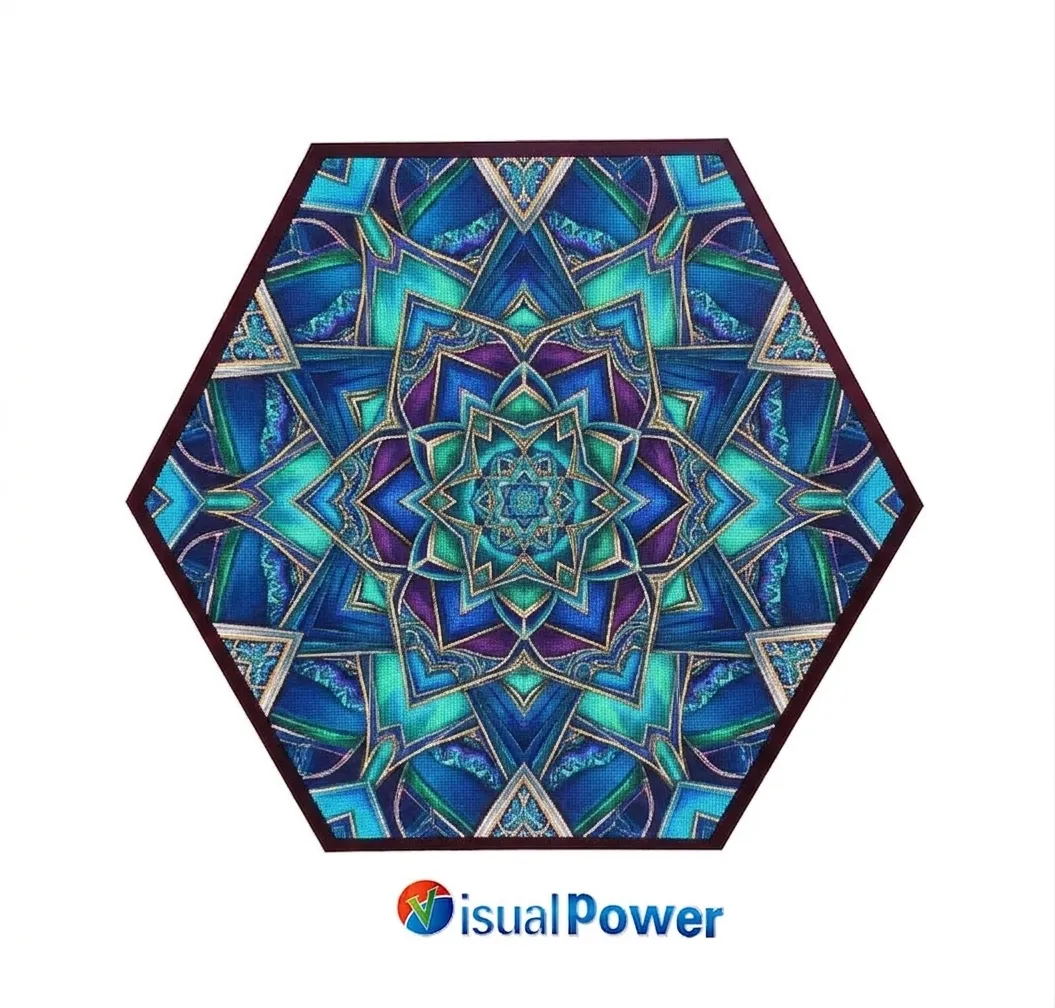 Hexagon LED Display: How Geometric Screens Are Transforming Modern Exhibitions
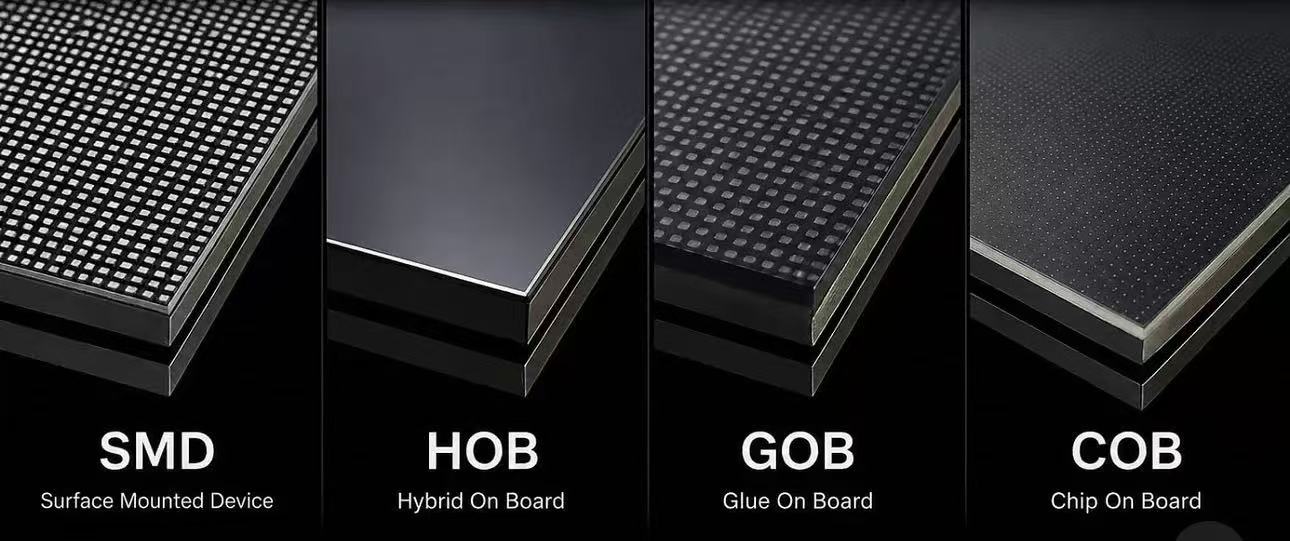 Difference of SMD GOB HOB COB LED display module
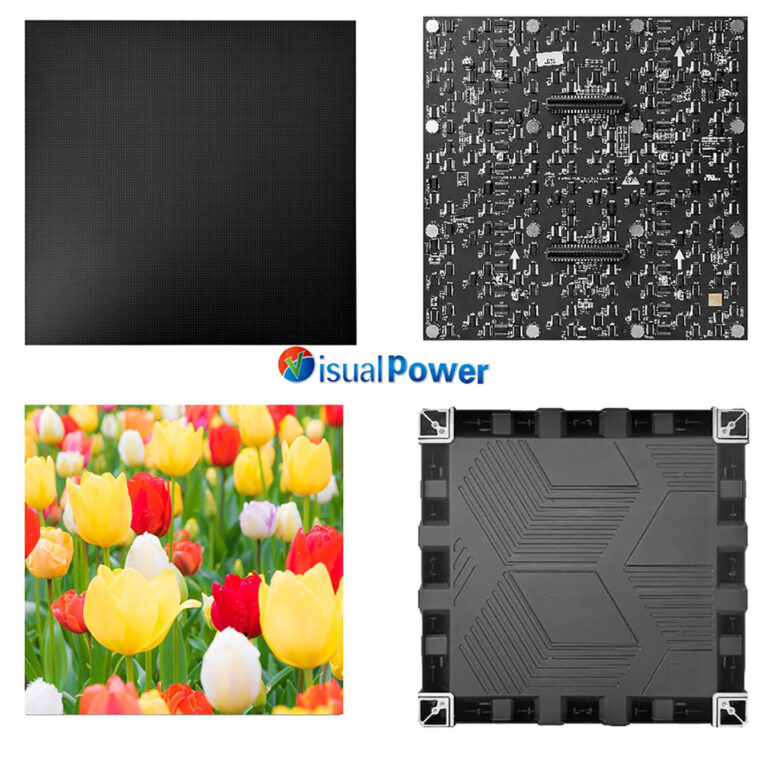 Why Museums Are Turning to Fine Pitch LED Displays for Better Visitor Engagement
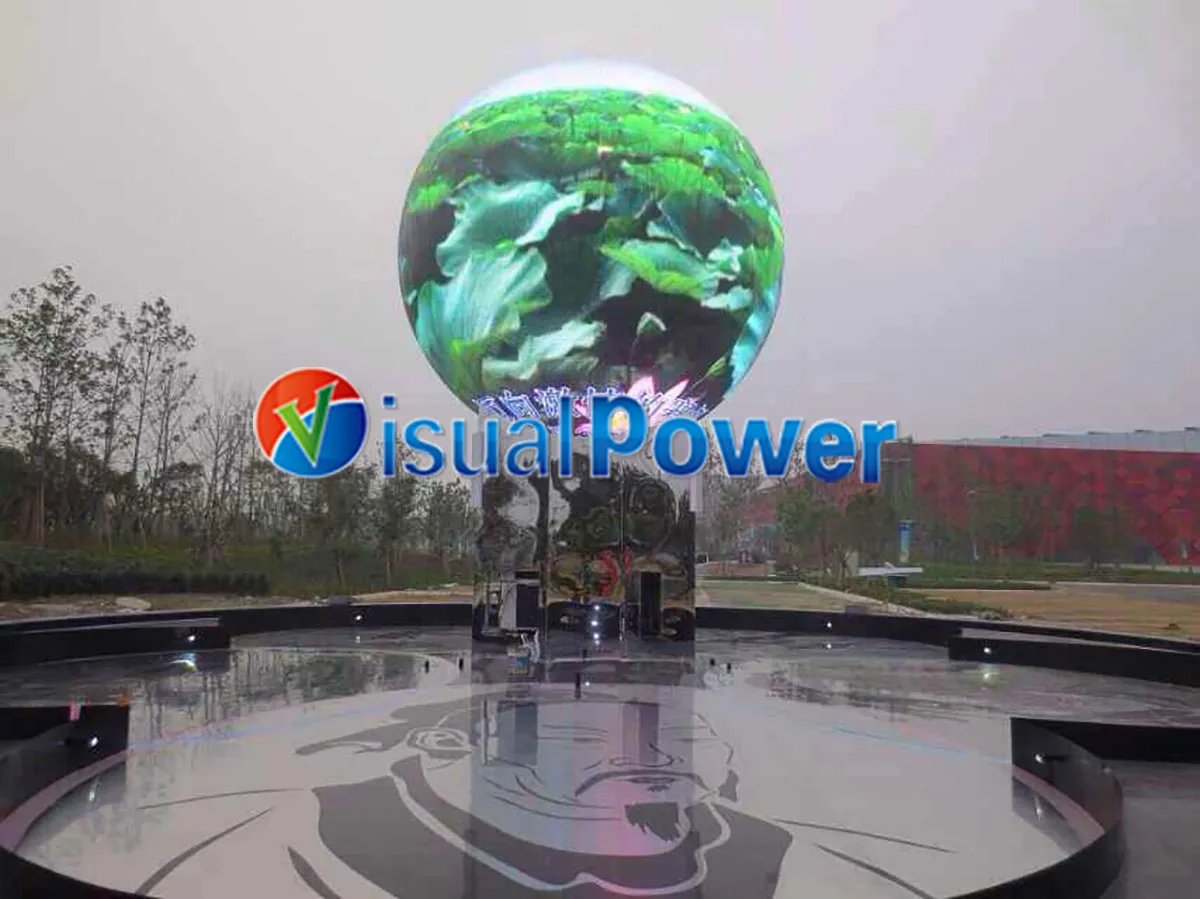 Sphere LED Display Industry Truths: Cost, Content, and Design Risks Explained

 Sales Manager