Flexible LED Display Screen: How I Redefined Spatial Expression with It
The first time I truly came into contact with flexible LED display screens was not at an exhibition, nor at some cool science and technology museum, but at a headache-inducing project site.
It was a high-end bar. The owner wanted an immersive entrance where people could take photos and post them on social media as soon as they entered. The space wasn’t large, but there were many columns—and none of them were right-angled. Traditional LCD screens and conventional LED splicing solutions were simply not applicable. They were rigid, bulky, and completely out of place, totally incompatible with the bar’s sleek style. I was almost ready to give up on the plan until the design team threw out a term: “flexible LED.”
To be honest, I was skeptical at first. A “bendable screen”? It sounded more like a gimmick. But when I first saw it wrapped around the curved wall, fitting the architectural curve like skin, and the picture was still high-definition and smooth, I knew we’d found the answer.
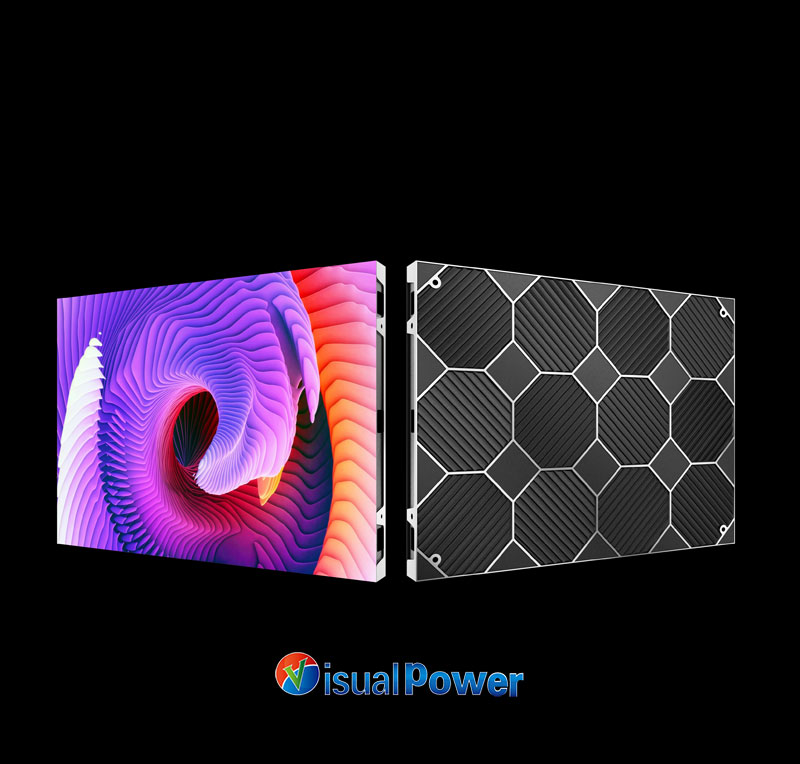
What is a flexible LED display screen?
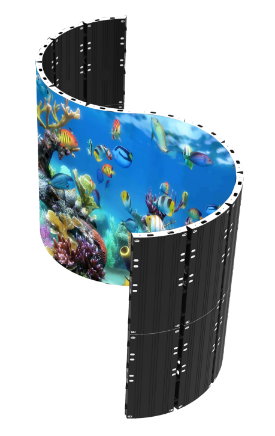
In simple terms, a flexible LED display is an LED module made of flexible circuit boards (usually FPC) and highly elastic materials. It can be bent, curled, and even folded at will—completely different from traditional rigid screens.
You can make it wind along a cylindrical curve, shape it into a “wave” form, or even create an immersive tunnel-like space. Whether it’s concave, convex, S-shaped, or 360-degree surround, it adapts to the structure like a Transformer.
But its true charm isn’t limited to just bending.
Why I Can’t Do Without Flexible LEDs Anymore
After using it several times, I increasingly feel that it’s not just a display tool, but a kind of spatial language.
At a fashion brand launch event, we wrapped a U-shaped structure with flexible LEDs to display high-fashion footage of models walking. The audience didn’t just “watch”—they “entered” the imagery. At that moment, I realized this was no longer a medium for “presenting content,” but a part of the content itself.
Later, we also made LED ceilings, tiered edge displays, interactive exhibition pods… The flexible screen completely breaks the boundary between “content” and “scene,” as if it moves the screen from two-dimensional to three-dimensional.
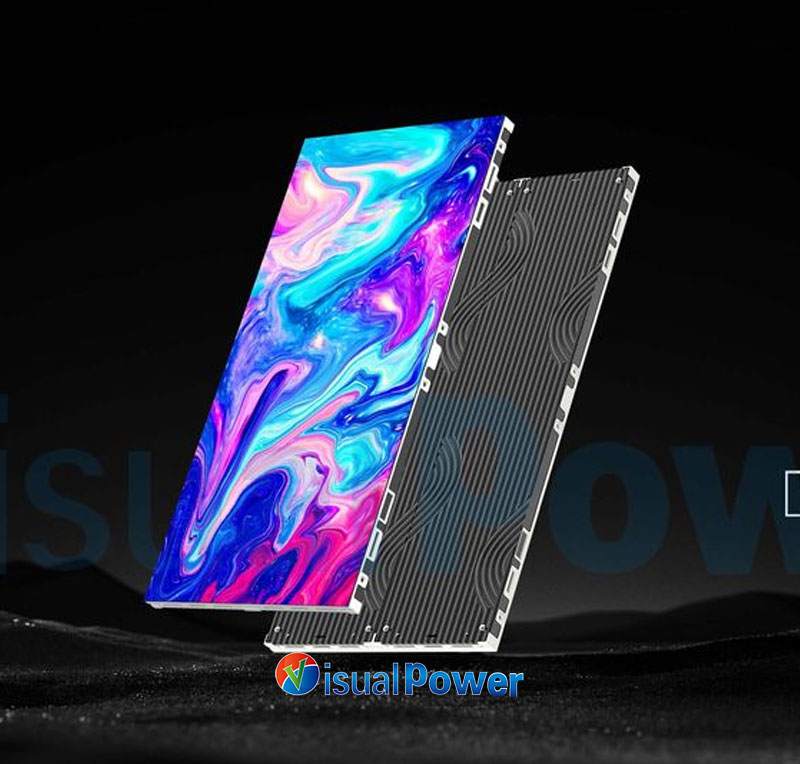
How to Determine Whether a Flexible LED Screen Is Worth Using
Don’t be misled by the word “flexible.” Not every screen suits every project. Here are some key points I’ve learned (often the hard way):
1. Bending Radius
This is the most basic parameter. A truly “soft” screen should have a bending radius of less than 30mm. Otherwise, even simple corner installations can crack. I once learned this the hard way at an auto show where the screen wouldn’t fit the car model—last-minute replacement and all.
2. Pixel Pitch
It’s not always “the smaller, the better.” It depends on the use case. For close-up interactions (like touchscreens), P1.5 or smaller is ideal. For ambient visuals or mid-to-long-distance viewing (like mall atriums), P2.5 to P3 is plenty. Don’t burn money on overkill, and don’t cut corners at the cost of experience.
3. Magnetic Installation Module
I now almost always choose magnetic modules because of how easy they are to maintain. At one restaurant project, a lighting error burned out part of the screen. Thanks to the magnetic setup, we swapped out the modules in under 10 minutes—no service disruption at all.
4. Refresh Rate & Control System
If you plan on photographing or filming the screen, make sure the refresh rate is above 3840Hz—otherwise, all your shots will have scan lines. For stage, livestream, or brand experiences, a low refresh rate is a deal-breaker.
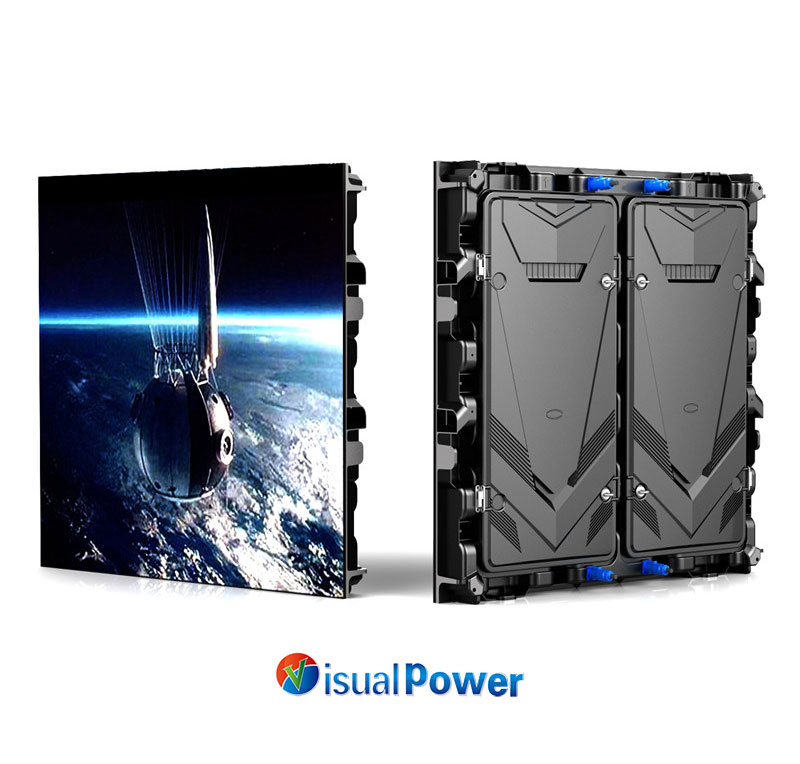
Real-World Use Cases for Flexible LEDs
I’ve been using them more and more. Here are some practical scenarios that might spark ideas:
● Retail Spaces
At a luxury pop-up, I built a deformable window display using flexible LEDs with light and motion sensors. It reacted to customer movement—and the check-in rate actually surpassed that of our promotional posters during that time. It wasn’t just advertising; it was the experience itself.
● Stage Design
At a concert, I used it to build a “Tunnel of Light.” When the artist stepped through it onto the stage, the crowd went wild. The screen became part of the performance—not just a backdrop.
● Museums & Exhibitions
We created a 360° immersive history wall that played video stories. When people stepped inside, it felt like they were being surrounded by history. Traditional displays just can’t create that kind of emotional connection.
The Pitfalls I’ve Stepped Into
Some lessons only hit when you mess up:
● Underestimating Structural Support
Flexible doesn’t mean self-supporting. Once, I used PVC to frame a screen and it sagged over time, warping the whole setup. I still cringe thinking about it.
● Misaligned Content
Never use flat-screen visuals on curved displays—they distort like crazy. You need a content team that understands spatial dynamics and can design for your structure.
● Overlooking the Viewing Angle
Not all angles work. If a screen is tucked in a corner and only one-third is visible to viewers, it kills the experience. Simulate the viewing perspective before you install.
Why I Still Use It: Not Because It’s Flashy, But Because It Feels Warm
What moves me most about flexible LED screens isn’t the specs or the “wow factor,” but the way they draw people in.
It’s no longer “you’re looking at a screen”—it’s “you’re inside the experience.”
Especially after working with brands like visualpower, I’ve learned how small details—brightness consistency, color accuracy, structural finesse—can elevate the entire experience.
In Conclusion: It Changed My Understanding of What a Screen Can Be
The flexible LED display made me realize that display isn’t just about “seeing”—it’s about “feeling.”
It bends not only the screen but the boundaries of how we express space and information.
If you’re looking for a display tool that breaks the mold, integrates into your environment, and tells stories in a way people remember—this might change your perspective just like it did mine.



 The LED Displays Everyone’s Asking About in 2026 (And Where They Work Best)
 Hexagon LED Display: How Geometric Screens Are Transforming Modern Exhibitions
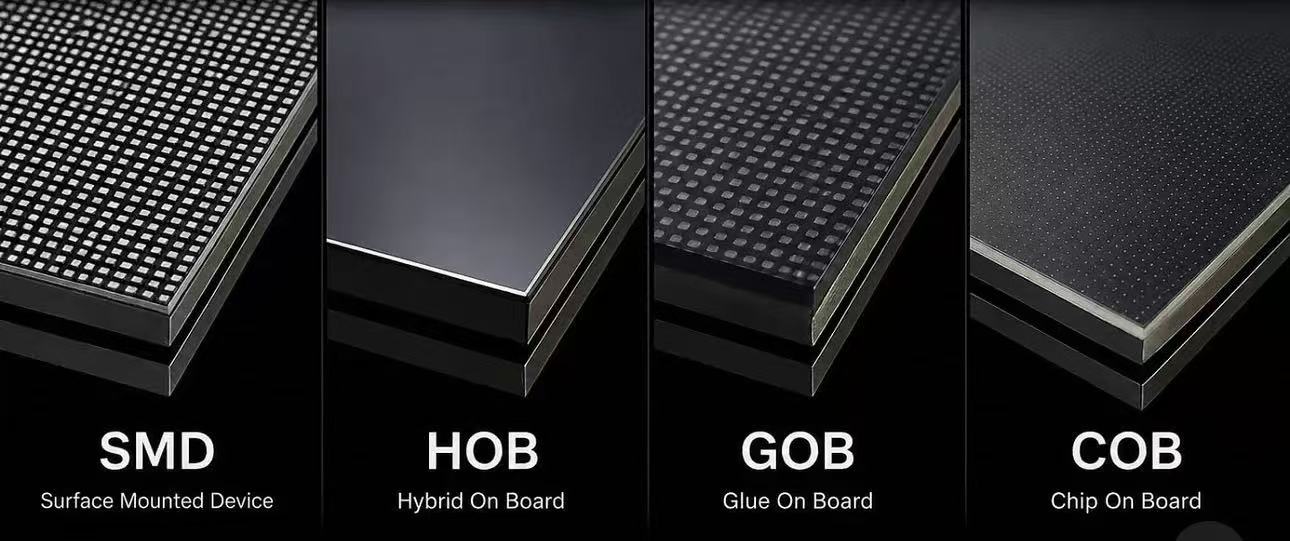 Difference of SMD GOB HOB COB LED display module
 Why Museums Are Turning to Fine Pitch LED Displays for Better Visitor Engagement
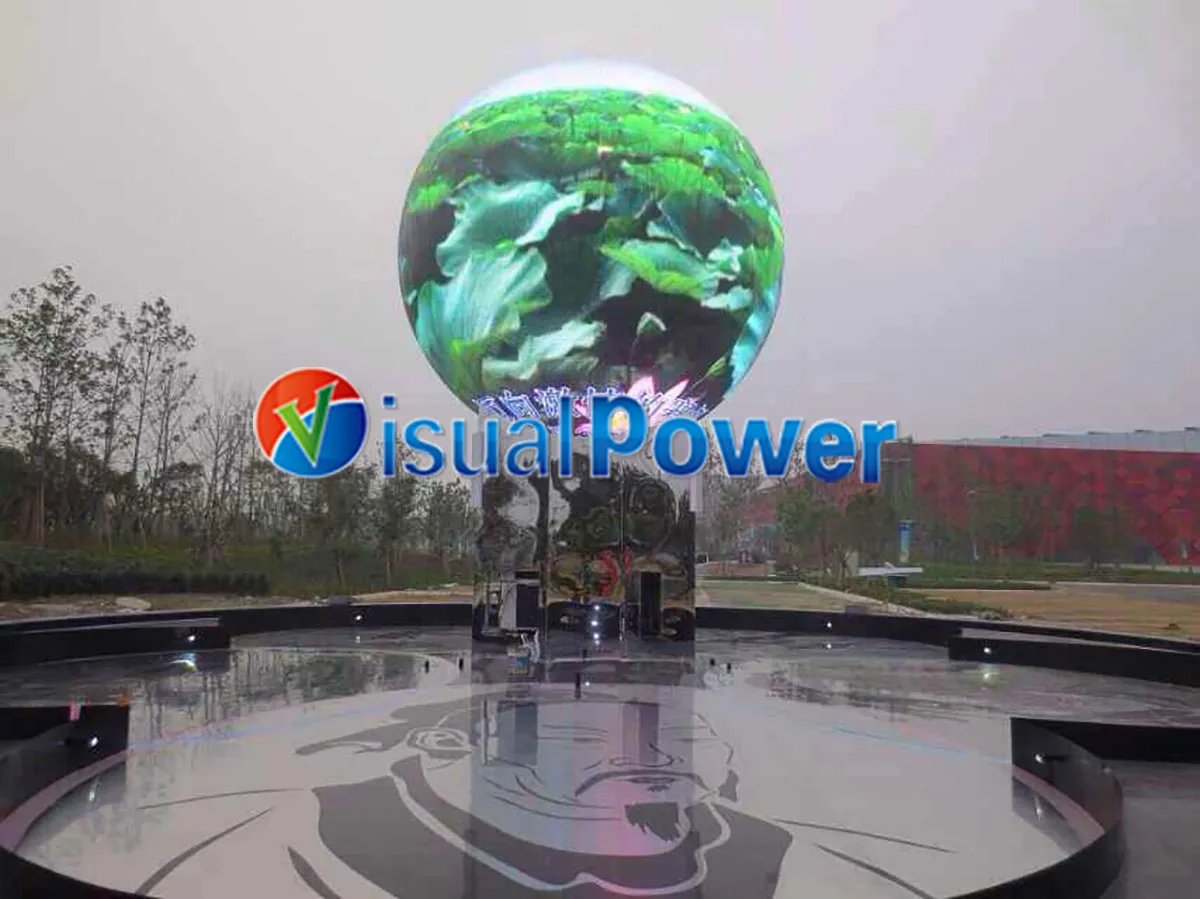 Sphere LED Display Industry Truths: Cost, Content, and Design Risks Explained

 Sales Manager