A few years ago, the first time I truly experienced the so-called “fine-pitch” LED display was at an indoor brand launch event. At that time, I was only responsible for the lighting and the stage atmosphere, and didn’t pay much attention to this screen. But when I walked to the back row and stared closely at that high-definition display area, the shocking scene before my eyes completely overturned my perception of LED screens: the picture was so clear that even the texture on the speaker’s clothes could be seen clearly. At that moment, I began to try to understand what a fine pitch LED display is and why it can convey the host’s story so authentically.

What is fine pitch LED display? Where exactly is the detail?
“Fine pitch” literally means “fine pitch”, which refers to the distance between two points of an LED – usually less than 2 millimeters. Don’t underestimate this a few millimeters of difference. It means:
The images on the screen are denser and more coherent.
The viewing distance can be closer and there is no fear of graininess.
Whether it is showcasing product details or playing high-definition demonstrations, it can almost present them perfectly.
I once took pictures with my mobile phone facing the screen, but there was no pixelation or flickering. I still remember that feeling of feeling like the scene was right in front of you to this day.
How to judge the true value of a fine pitch LED display?
I have listed several practical judgment criteria to help you filter out reliable devices:
1.Pixel Pitch
The smaller the dot spacing is, the more delicate the picture will be. Common specifications include P0.9, P1.2, P1.5, etc. If you plan to use it for indoor exhibitions, interactive installations or high-end press conferences, P1.2 is a very good starting point. If you are pursuing an even more extreme clarity, you can consider P0.9, but it also has a higher cost and higher requirements for light control.
2.Color reproduction & Refresh rate
I once encountered a certain exhibition event. Due to the extremely low refresh rate, a terrifying flickering bar appeared when the camera was shooting the screen. Later I learned that the refresh rate should be at least 3840 Hz, the color gamut coverage should be wide, and the contrast should be high so that there won’t be ghosting in live streaming or shooting. If you are also involved in shooting, you should pay special attention to this point.
3.Module size and splicing error
Many times you will see some “seams”, which are caused by the subtle height differences between the modules. I have measured it a few times and found that the error margin of standard modules from major manufacturers is within ±0.1 mm; Some low-end manufacturers may exceed 0.5 mm. Details often determine the perception. That time, I walked around the exhibition hall several times in a row. Only after confirming that it was seamless did I decide on the center point of the platform.
4.Drive and Control System
I once experienced two completely different control methods in the project: One was to use a professional control card, with a complex but stable interface; The other type is based on a cloud platform and can be controlled via a web page. The former is suitable for situations where there are extreme requirements for the picture. The latter is more flexible and efficient, and is particularly suitable for short-term temporary activities.
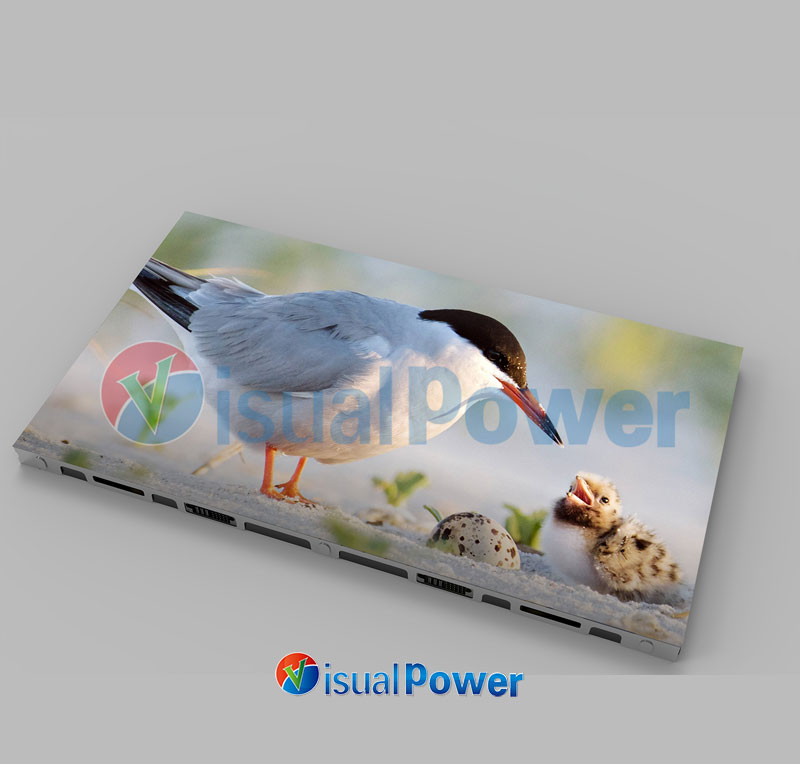
How do I choose suppliers? Start with “Seeing is believing”
When choosing a display solution for an art exhibition, I contacted several suppliers. What reassures me most is a team that claims to be good at fine pitch, which allows me to compare screen brightness with color temperature with a professional light meter on the spot and even check the color adjustment curve at any time. This kind of transparency touched me.
I remember they mentioned a sentence: “Vision is not cold technology, but a way of telling stories.” At that moment, I suddenly realized that only by truly treating technology as a tool rather than a way to show off skills can we create a presentation with warmth. And this concept has also made me have a greater fondness for the name “visualpower” in my heart.
Practical application: I have personally handled all these scenarios
Art Gallery: I project digital installations for modern artists on a P1.2 fine-pitch screen, presenting the original painting textures up close. The audience’s response is that it seems they can “touch” the details.
Music performance: Stage lighting combined with fine-pitch screens makes background images flicker with the rhythm, creating an impact where the rhythm and visuals are in sync.
High-end enterprise annual meeting: I switched the speaker’s PPT on the screen and then moved on to a high-resolution video review. It was smooth and natural, and there was no seamless connection between the on-site and online audiences.
Every time I feel that a truly fitting fine pitch LED display is not just a device, but a carrier of stories, magnifying every detail for the host and bringing emotions closer to the audience.
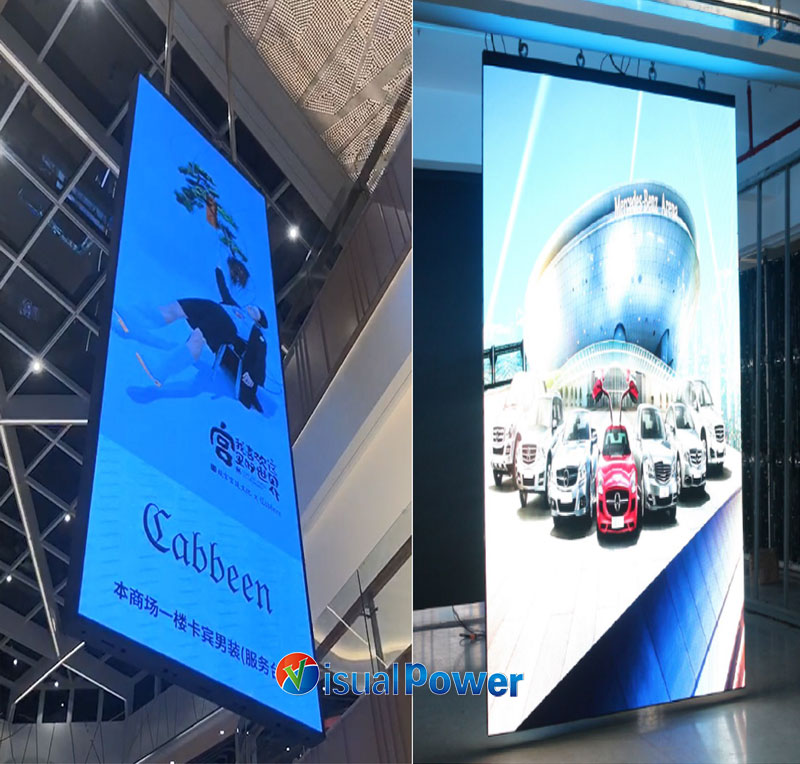
Common misconceptions about using fine pitch LED display
Only focus on the spacing, not the brightness
Some people only focus on the P-value but ignore the matching of screen brightness and space. The result is often that the picture is not clear in overly bright or overly dark environments.
Ignore the environmental light source
I once had to start over at an outdoor exhibition because I didn’t control the light in direct sunlight. As a result, the picture was “crushed”.
The content is not ready
No matter how good the screen is, it is just an empty shell without design support. Every time, I suggest that the team test the playback content in advance and debug the colors on the spot.
Accumulation of splicing errors
When the module error exceeds 0.2 mm, the “ripples” will be perceived up close. Last time when I was doing an LED exhibition on the wall, I deliberately used laser ranging to ensure consistent height.
Summary: When fine pitch LED display meets temperature
By now, you should be able to feel my enthusiasm for this technology: its delicacy is not for showing off, but to bring the audience closer to the details and emotions. I believe more that equipment is merely an object. It is only when it is used to tell stories that it comes to life.
If you are about to plan an event that is friendly to shooting, rich in details and has a strong emotional depth, you might as well consider this kind of fine-pitch screen. Strike a balance between layout, content, and the control system, and it may become the most silent yet most touching “stage focus”.
Finally, I hope my experience and suggestions can be of practical help to you. If you want to talk about specific scenarios or technology selection, you can contact me at any time for communication.



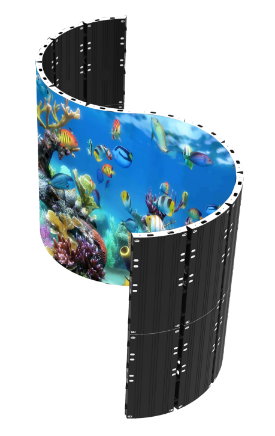 The LED Displays Everyone’s Asking About in 2026 (And Where They Work Best)
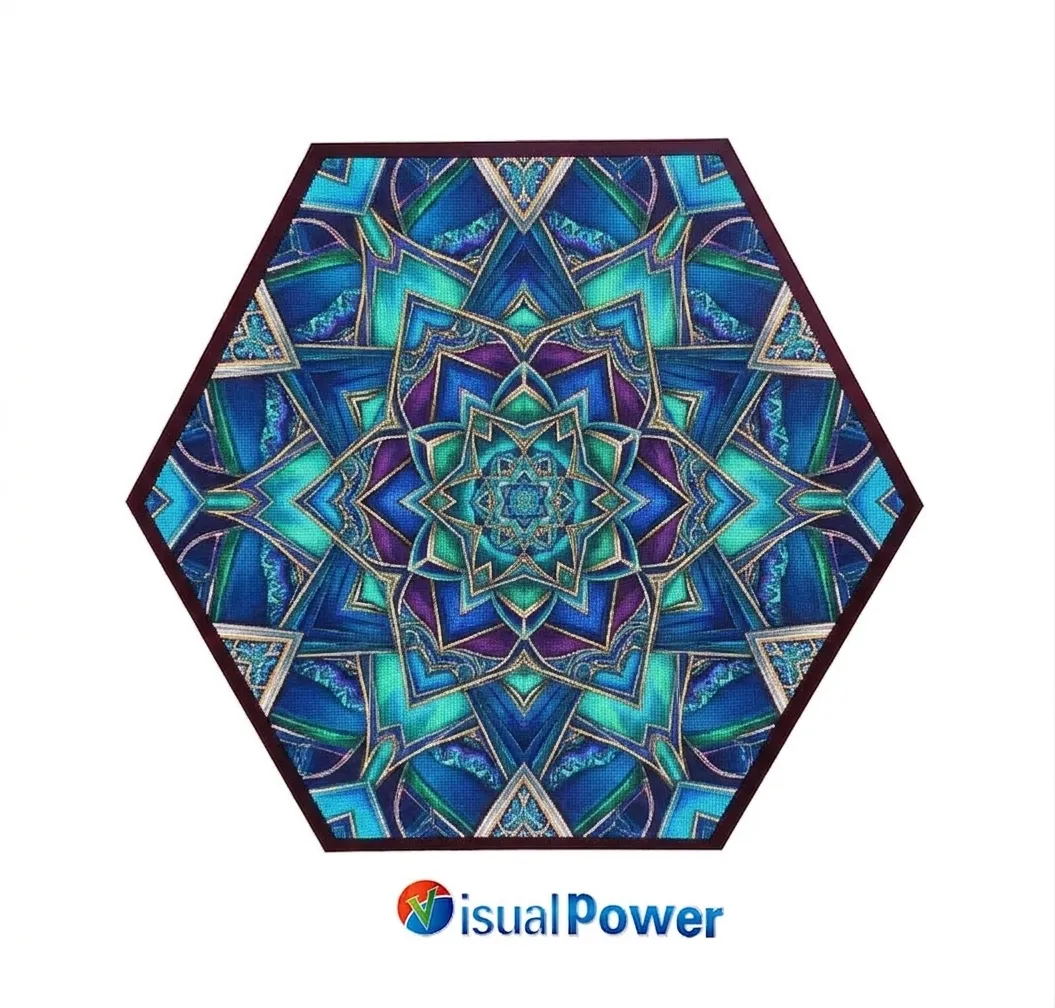 Hexagon LED Display: How Geometric Screens Are Transforming Modern Exhibitions
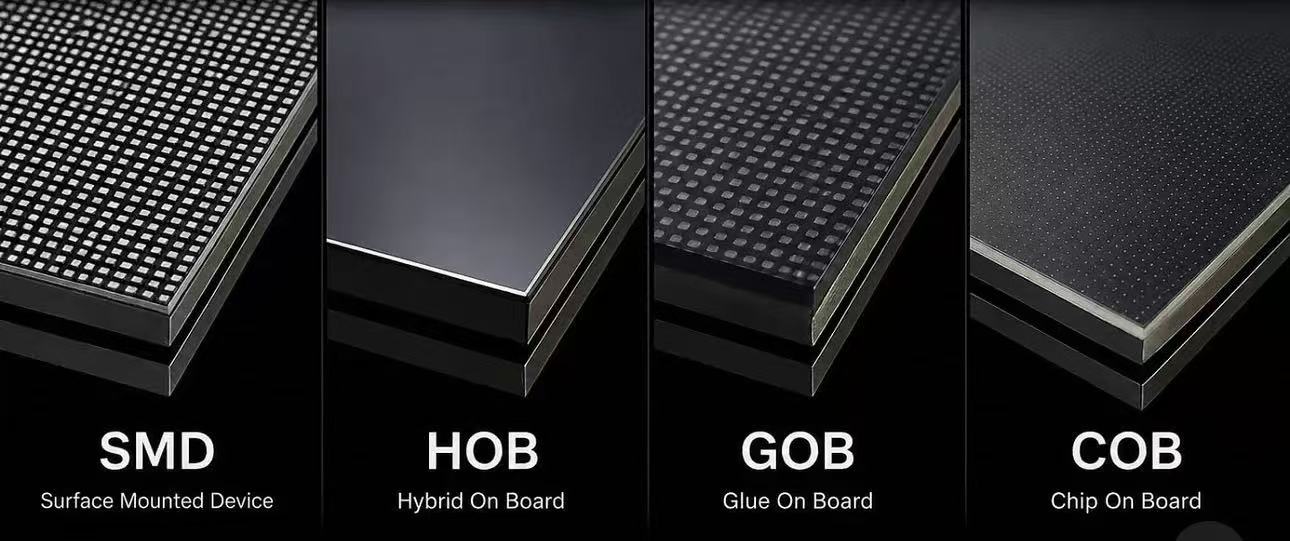 Difference of SMD GOB HOB COB LED display module
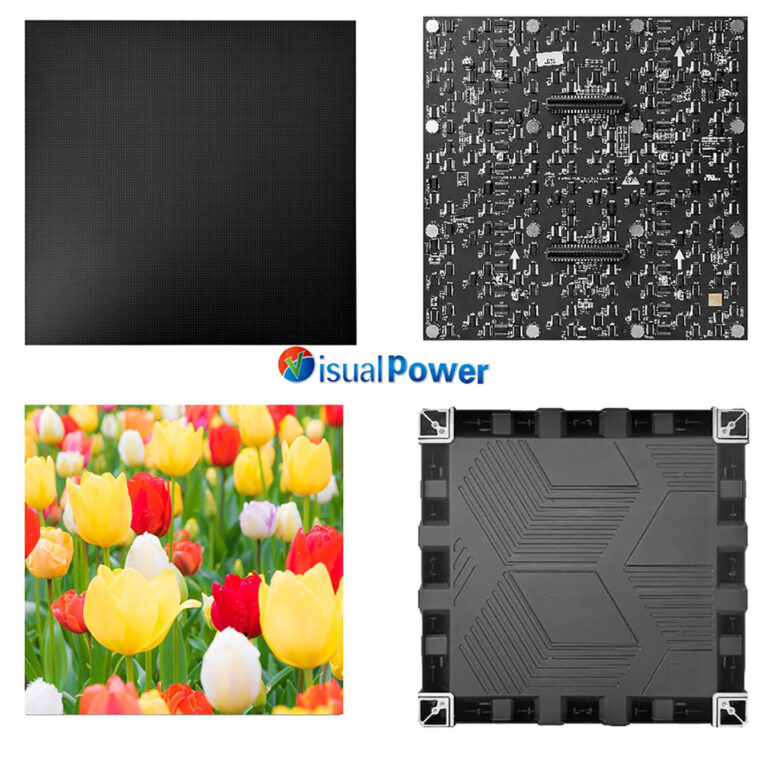 Why Museums Are Turning to Fine Pitch LED Displays for Better Visitor Engagement
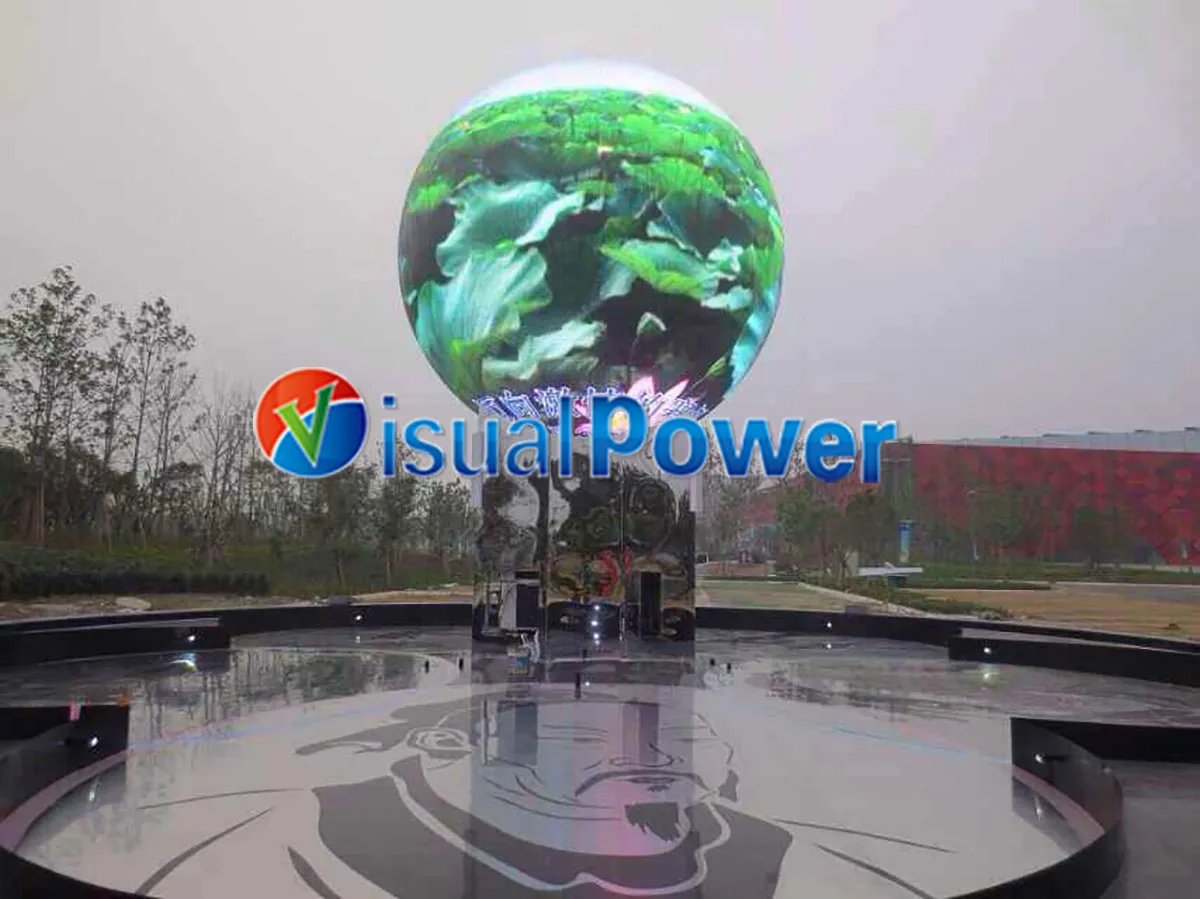 Sphere LED Display Industry Truths: Cost, Content, and Design Risks Explained

 Sales Manager