Why I’m increasingly recommending the Fine Pitch LED Display (and who it is truly suitable for)
If you, like me, have participated in the selection of display systems for conference centers, command and dispatch rooms, enterprise exhibition halls, or high-end commercial spaces in the past few years, you have probably felt this change firsthand: fine pitch LED display is no longer treated as a luxury upgrade, but is increasingly becoming the default choice.
When I first worked with this type of screen, I actually had some reservations. At that time, the price of ultra-fine pixel pitch LED screens was high and the construction requirements were demanding. Many projects could seemingly “get by” using LCD modular screens. But after being involved in more real-world deployments, one thing became hard to ignore — once you’ve spent enough time in front of a truly good display, your tolerance for visual compromise drops sharply.
This article is not meant to compare brands or argue about which product is “the best.” I simply want to speak as someone who has worked with display systems for a long time, and share what problems fine pitch LED displays actually solve, how the technology works in practice, and in which scenarios they genuinely make sense.
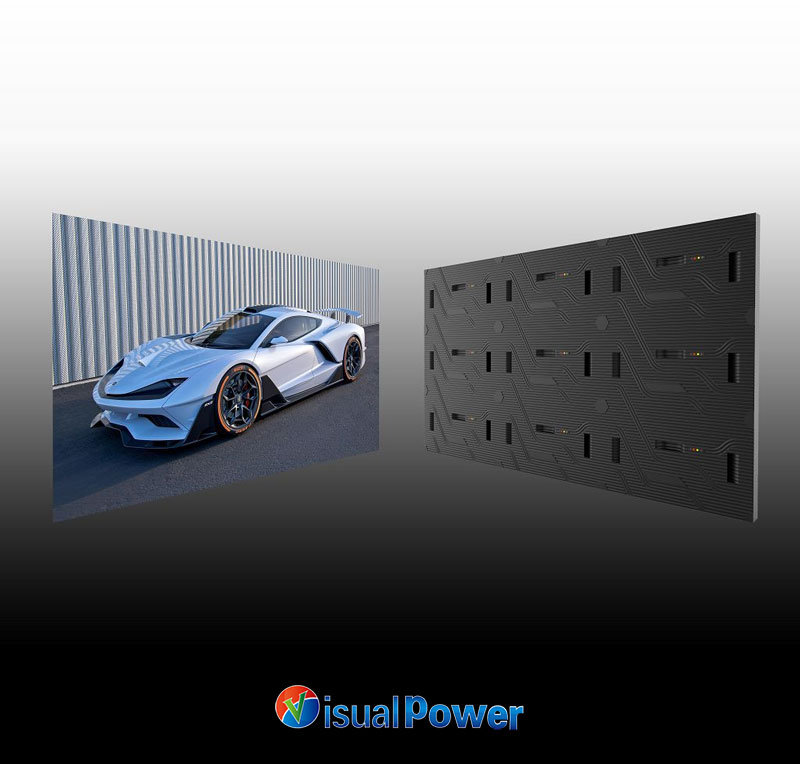
What really makes a fine-pitch LED display?
When many people first hear about fine pitch LED display, their focus is on the “numbers”: P1.2, P1.0, P0.9, and even smaller ones.
From my own experience, pixel pitch is more like the visible result, not the real deciding factor.
A fine-pitch LED display that performs well in real projects usually checks three boxes at the same time:
Close-up view remains fine
Even at a distance of 1 meter or closer, there should be no obvious graininess in the picture. The edges of the text should be clear, and the image should have depth.
Brightness, contrast and consistency remain stable over a long period of time.
It’s not that it looks good when it’s newly installed, but after running for a year or two, the entire screen remains uniform.
Suitable for long periods of continuous work
This is particularly important in control centers and meeting rooms. The screen is not just for show, but is kept on every day.
This is also why, later when I was looking up information, I repeatedly studied things like
https://www.visualpower.cn/p0-9-1-25-p1-56-fine-pitch-led-display
This kind of technical summary regarding the application scenarios of different point spacings — they are often more valuable as a reference than simple parameter tables.
From LCD Assembly to Fine Pitch: A Personal Experience of a “Transformation”
The project that stood out the most to me was the upgrade of a medium-sized command center.
The original plan was a 3×5 LCD wall display. The plan was mature and the budget was manageable. However, during the on-site testing, two problems remained unsolved:
The seams are very obvious when the map and the table are displayed.
It is extremely difficult to closely examine the details (especially the small-sized data)
Later, we temporarily set up a P1.2 fine pitch LED display for a comparison test. The result was pretty clear:
For the same content, the LED screen made people stay focused on it for noticeably longer.
That was when it became clear to me that the real advantage of fine pitch LED displays is not about visual impact, but about making prolonged viewing feel more natural to the human eye.
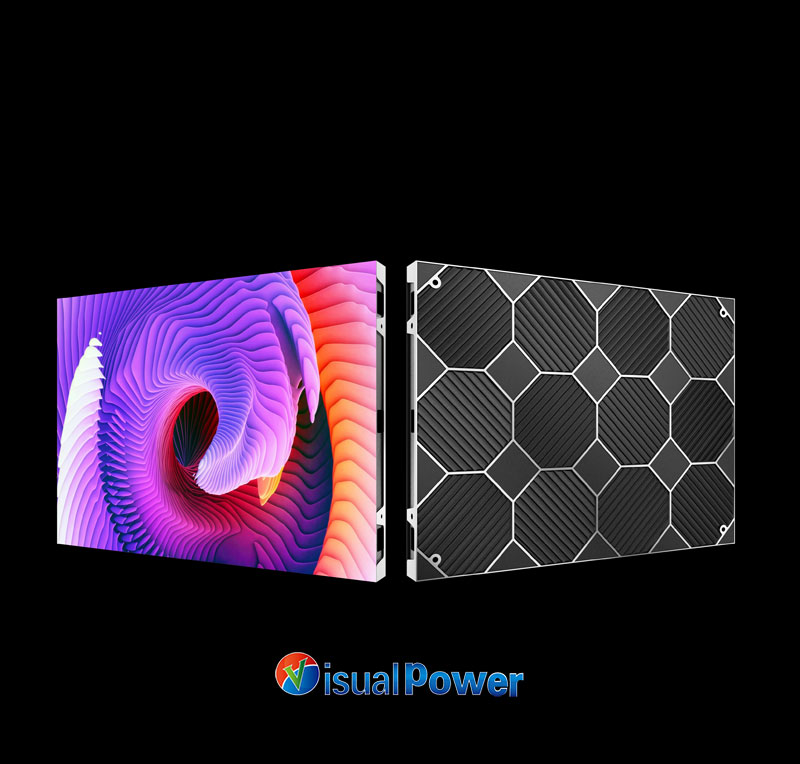
What has truly been changed by the Fine Pitch LED Display?
1. Picture integrity: The absence of seams is far more disruptive than it seems at first.
When what you are presenting on the screen is:
Real-time monitoring footage
CAD drawings
Data report
High-definition video conference screen
The seams will constantly interrupt your concentration.
The seamless continuity of the entire screen of the fine pitch LED display makes the information presentation more like “one canvas” rather than “many screens.”
2. Higher brightness and better adaptability to the environment
Many people mistakenly believe that LED screens are only suitable for “bright” exhibition halls. In practice, today’s fine-pitch LED displays handle low-brightness, long-duration use far better than most people expect.
In environments such as meeting rooms, studios, and command centers, a soft but clear brightness is actually more important.
3. Modular maintenance, with more favorable long-term costs
From an operation and maintenance standpoint, this is one factor I pay close attention to.
Single-module failure can be quickly replaced.
Does not affect the operation of the entire screen.
Long-term maintenance is more controllable.
This is why more and more enterprises are gradually phasing out traditional patching solutions in their long-term planning.
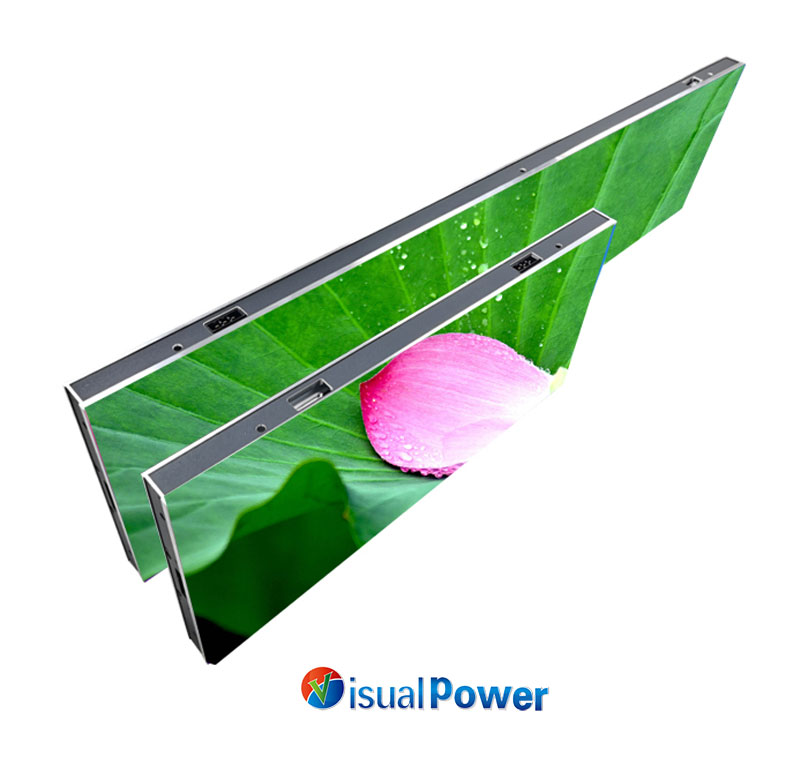
How to choose the point spacing? It’s not the smaller the better.
This is one of the questions I get asked most often.
In real projects, my rule of thumb is straightforward:
P1.5 – P1.8:
Large conference hall, exhibition hall, brand space, viewing distance is relatively far
P1.2 – P1.0:
Command center, boardroom, high-end commercial space
P0.9 and below:
Scenarios that are extremely sensitive to display accuracy, such as high-specification live broadcasts and scientific research visualizations
While browsing some technical materials, I noticed that VisualPower’s application classification for different point spacings is highly consistent with what I’ve seen on-site. Information like this is valuable because it helps you decide whether a solution fits — not because it pushes you to buy.
Details that are often overlooked during installation and use
Heat dissipation and noise
A finer pitch LED display requires more attention to power consumption management.
A well-designed structure enables the screen to operate for a long time in a low-noise environment.
Calibration and Consistency
Installation is just the beginning. The later steps of brightness and color calibration will determine what the picture looks like three years from now.
The stability of the control system
Even the best screen will significantly reduce the experience if the signal system is unstable. This is particularly evident in remote meetings and when switching between multiple signal sources.
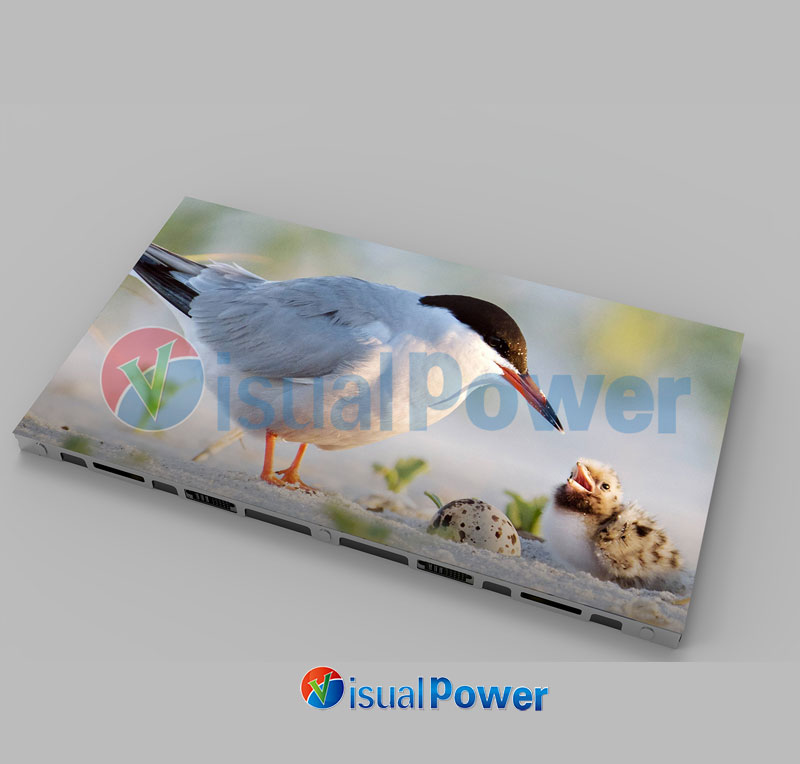
Who really “needs” the Fine Pitch LED Display?
To be honest, not all projects are necessary.
But if your project meets any of the following conditions — even just two of them — it’s worth taking fine pitch LED displays seriously:
High usage frequency, continuously turned on for a long time every day
Professional requirements for image detail
Space allows close-up viewing
Projects planned to run for years rather than temporary use
Final Note: Displaying is not about showing off, but about communication.
After working with display systems for years, one idea has become increasingly clear to me:
A display system succeeds only when it helps people understand information with less effort.
Fine pitch LED displays are not about demonstrating technical sophistication. Their real value lies in reducing visual fatigue and helping people stay focused.
If you are currently evaluating a display solution for a project, I hope these experiences help you avoid unnecessary detours.
As for the choice of brand and model, it should always come from a clear understanding of actual needs — not from chasing parameters.
That is exactly why I wrote this down.



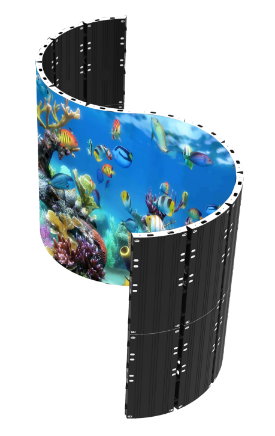 The LED Displays Everyone’s Asking About in 2026 (And Where They Work Best)
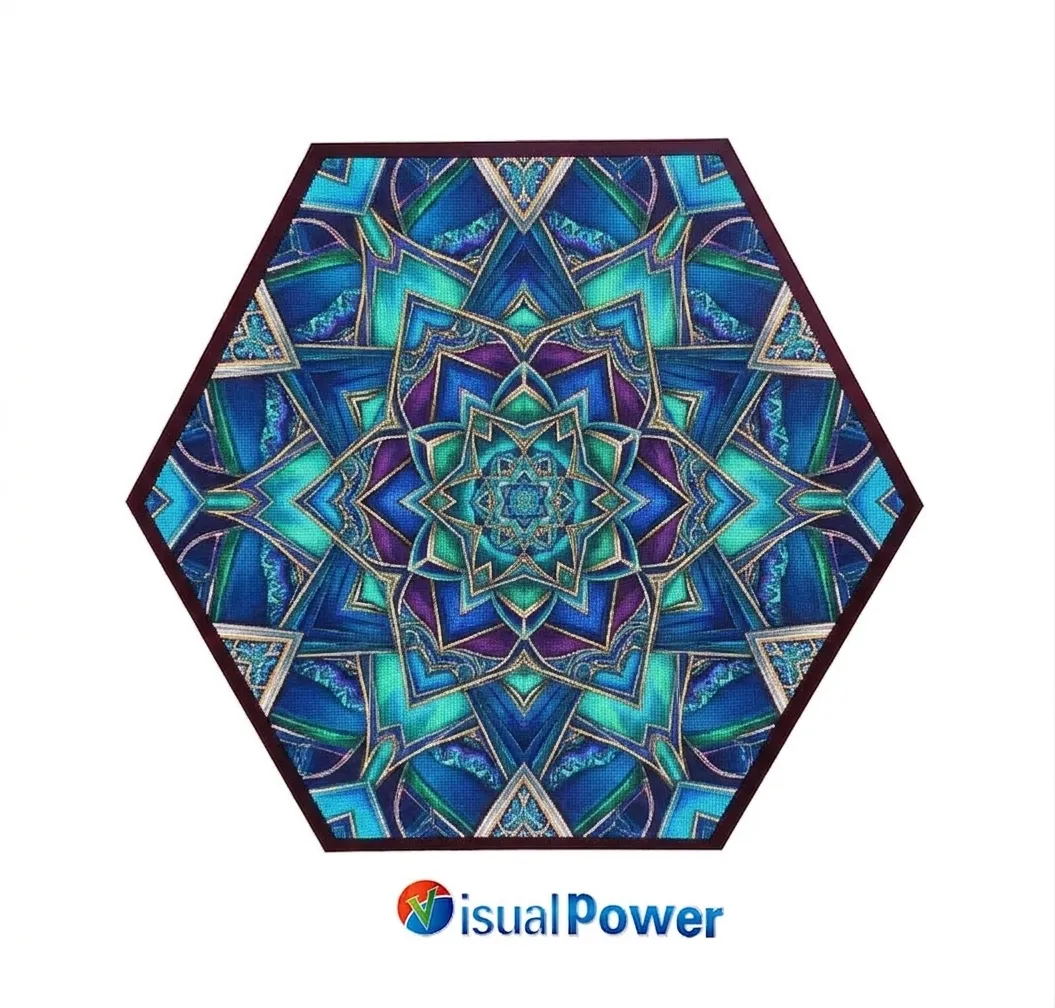 Hexagon LED Display: How Geometric Screens Are Transforming Modern Exhibitions
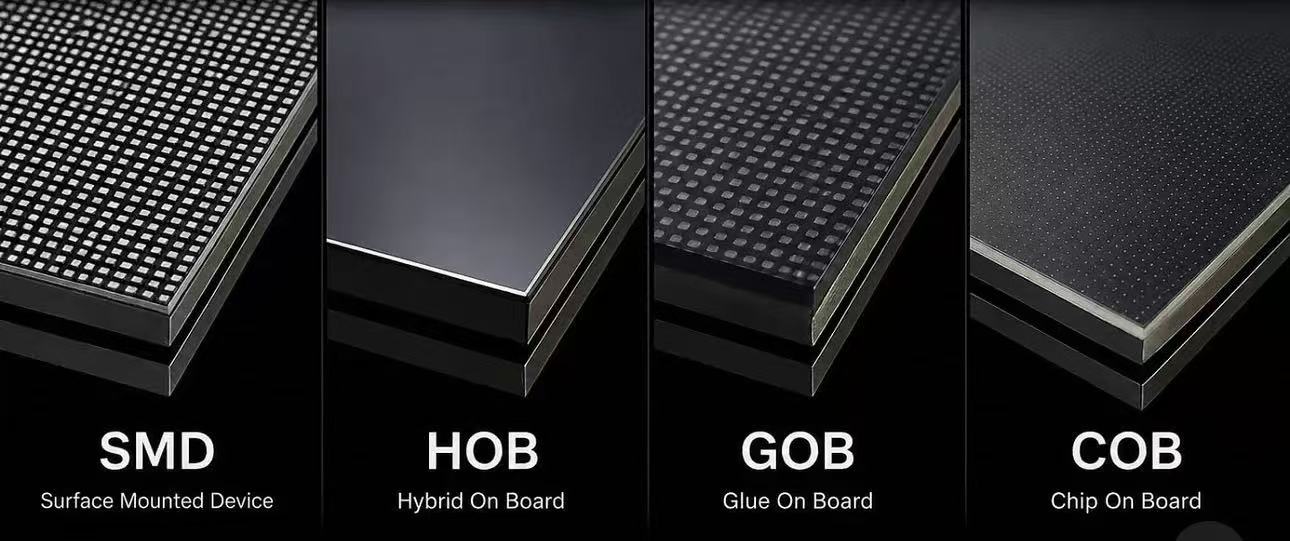 Difference of SMD GOB HOB COB LED display module
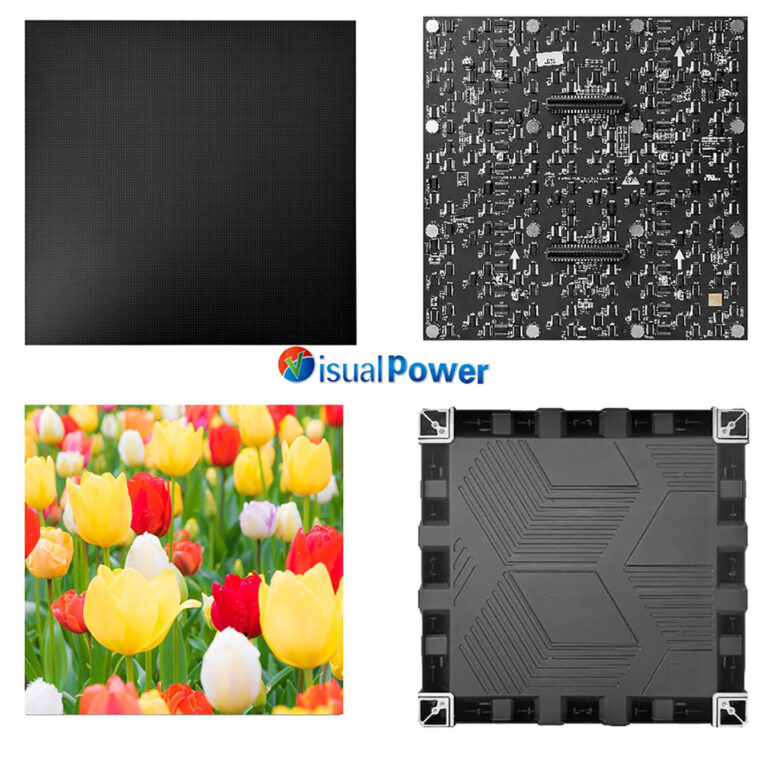 Why Museums Are Turning to Fine Pitch LED Displays for Better Visitor Engagement
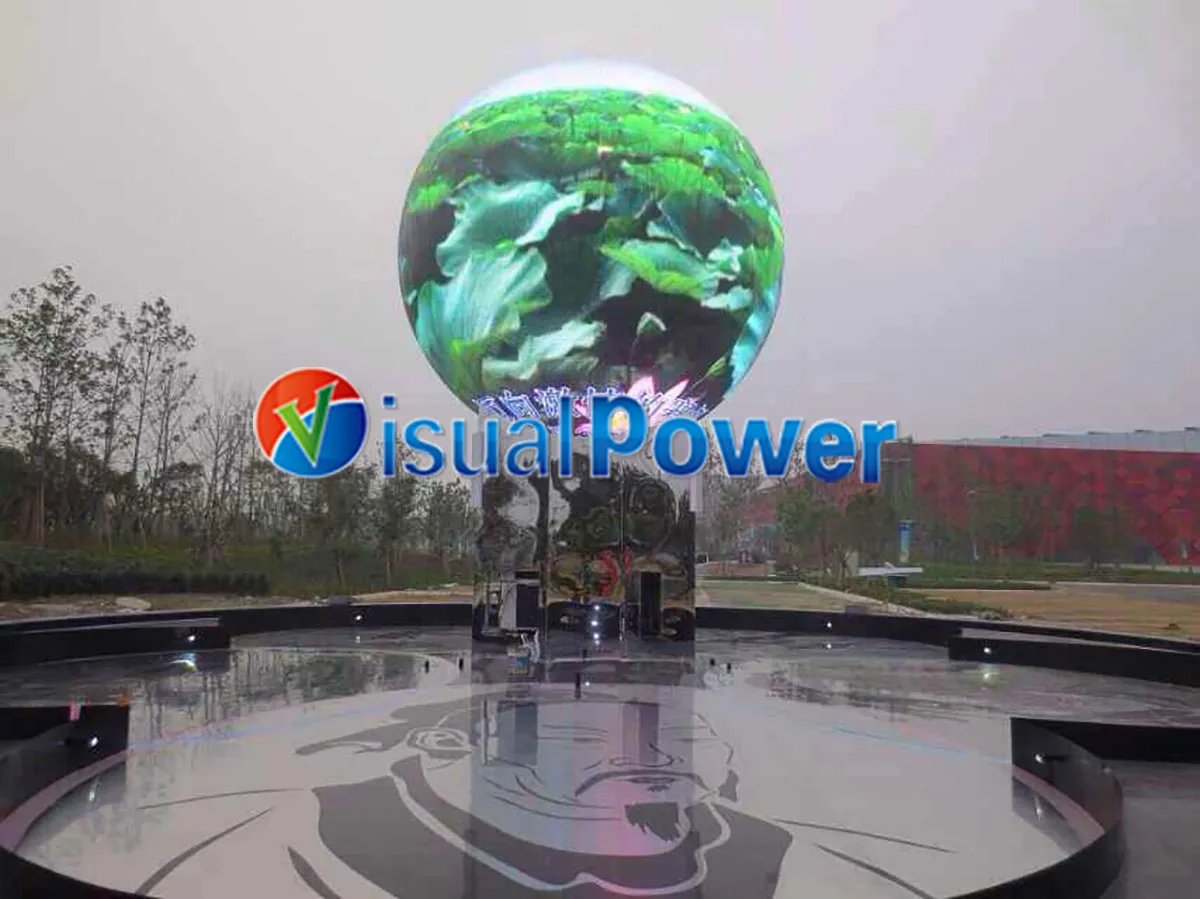 Sphere LED Display Industry Truths: Cost, Content, and Design Risks Explained

 Sales Manager