Sphere LED Display — where tech meets spatial design
The First Encounter with Sphere LED
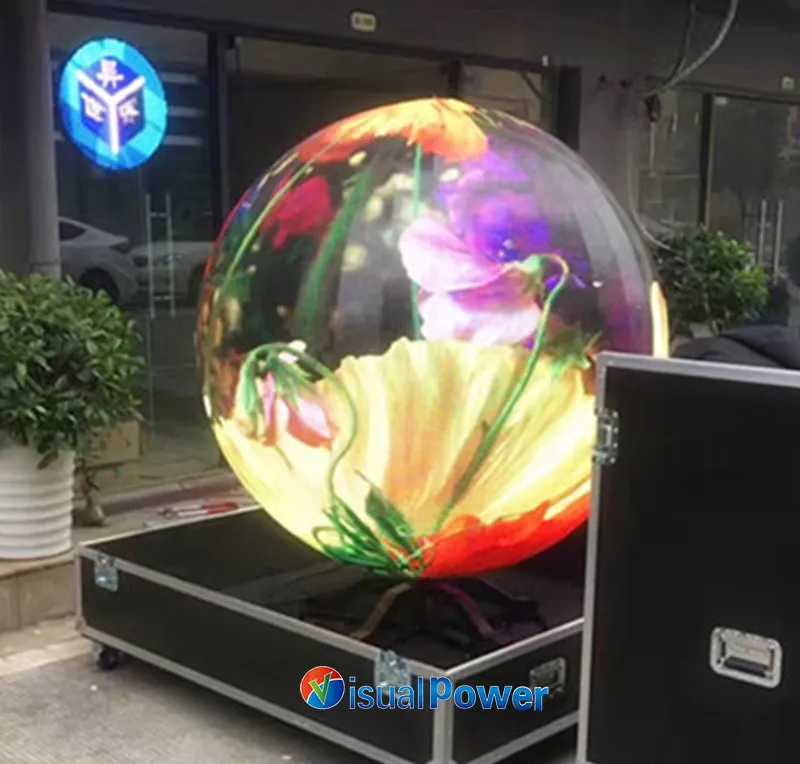
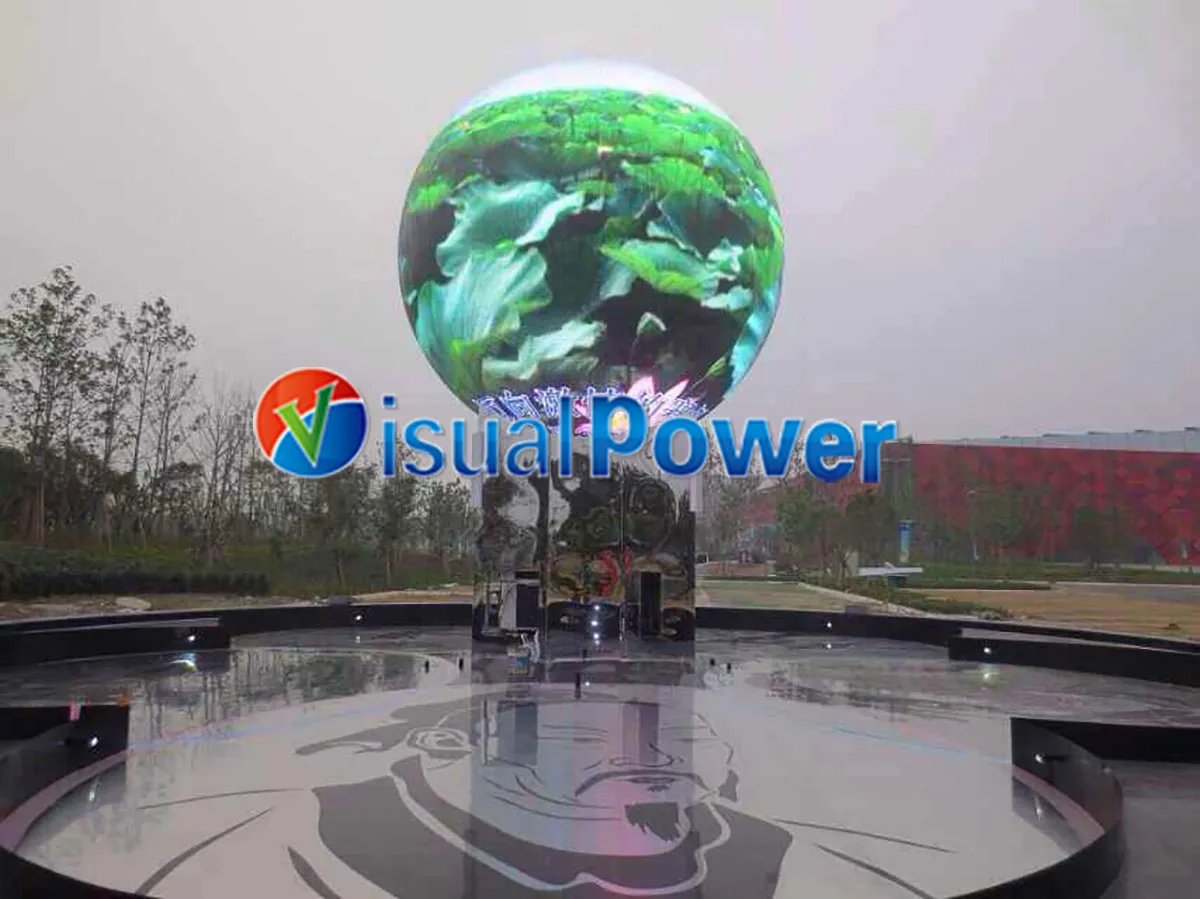
The first time I was truly captivated by a sphere LED display was at an art exhibition. In the center of the venue, there hung a huge light sphere with a diameter of over three meters. At that moment, I felt as if I were in the universe, and the slowly changing images on the spherical surface were like planets breathing. Unlike flat LED screens, it felt three-dimensional and immersive — the visuals wrapped around you.
That moment made me see the sphere as more than a screen — it’s a way to shape a space and demand attention.

Why are spherical LED screens so unforgettable?
I thought about why it hit me so hard. The reasons are straightforward:
Spatial perception — flat screens sit on walls; a sphere breaks that boundary and offers a full 360-degree view.
Immersion — stand near a sphere and your eyes follow the form; the image surrounds you, not just faces forward.
Memorability — the shape sticks with you long after you walk away.
Once, in a shopping mall, I saw a two-meter-tall sphere LED display, which was continuously playing brand promotional videos. I noticed that many passers-by couldn’t help but stop to take pictures. Compared to traditional ad screens, this format grabs attention more quickly and leaves a stronger impression.
Challenges of Spherical LED from a Design Perspective
But this beauty hides engineering headaches.
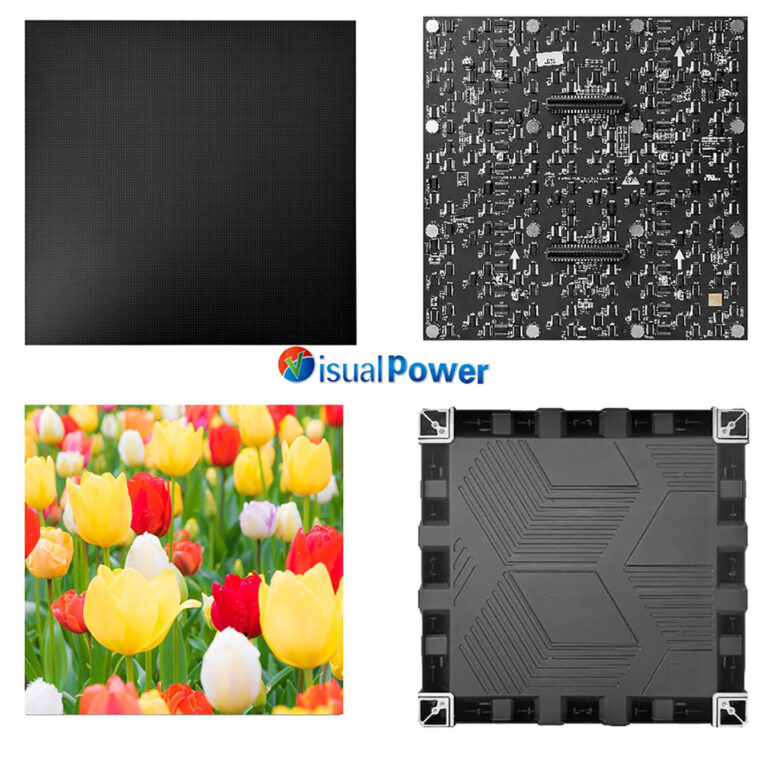
Pixel arrangement: Pixel layout: a sphere needs specially shaped modules so pixels look even across the curve.
Structural installation: Structure and mounting: the sphere can be heavy; its suspension or support must prioritize safety and stability.
Heat dissipation and maintenance: Heat and maintenance: LEDs get hot, and a tight spherical shell limits airflow. Engineers must plan cooling and access for repairs.
I have met some friends who have worked on exhibition hall projects. They often say, “It’s easy to make a large screen, but it’s difficult to create a beautiful spherical LED screen.” Friends who build exhibits always say, “Big flat screens are easy; spheres are the hard part.” Firms such as VisualPower offer module and splicing options designed to balance looks with stability.

Application Scenarios of Spherical LED Displays
In recent years I’ve seen sphere LEDs used in several common settings:
Commercial spaces. In commercial spaces such as the lobbies of shopping centers and the atriums of hotels, spherical screens are often placed as visual focal points. In malls and hotel atriums, spheres serve as visual anchors. They stop people and make brands stand out.
Science and technology museums and museums are used to display the Earth, celestial bodies or data visualization, which is very intuitive. Science centers use spheres to show the Earth, planets, or data visualizations. I saw one map climate change across the globe — it felt far more immersive than a projection.
Exhibitions and Art Installations Artists often make use of the three-dimensional quality of spheres to create interactive works. At exhibitions, artists exploit the sphere’s 3-D form for interactive pieces — the screen becomes part of the art.
Stage and events. The spherical LED in the center of the concert stage can create real-time effects in sync with the music, giving the audience a feeling of being in a sci-fi scene. On stages, a central sphere synced to music can give audiences a sci-fi, immersive moment.
An Unforgettable Project Experience
Once, I was involved in a museum project. The client wanted to place a two-meter-diameter sphere LED display in the center of the hall to showcase a conceptual model of energy circulation and future cities.
The challenge was to run complex moving images while keeping the sphere working 24/7. During install, teams spent hours fine-tuning seams — a 1 mm error can ruin the look.
When it was finally completed, the moment I saw the ball light up for the first time, I felt a strange sense of achievement. It was like a “breathing Earth”, shocking the audience the moment they entered. When it finally lit, I felt proud. It looked like a “breathing Earth” and stopped people in their tracks. I saw that the sphere is both a technical feat and an experience design.
VisualPower and Professionalization of Spherical LEDs
During my research and interactions, I gradually became aware of the brand VisualPower. They have quite a few mature cases in the sphere LED display field.
Customized spheres of different diameters are provided to meet the needs from exhibition halls to shopping malls. They offer custom sphere sizes, from small exhibit pieces to large mall installations.
The precision of the module splicing is high, the surface is smooth, and there will be no “layered” feeling. Their modules aim for tight seams so the surface reads smooth rather than stepped.
Supports high resolution and high-definition playback, with fine picture quality. Their systems support high-resolution playback with crisp images.
The convenience of installation, heat dissipation and maintenance was taken into consideration. They also design for easier installation, cooling, and maintenance.
Some models support universal voltage, which avoids compatibility headaches for international installs.
The Integration of Spherical LEDs and Future Space Design
With the development of the experience economy, people are increasingly pursuing unique spatial memory points. As experience-driven design grows, sphere LEDs seem likely to become more common.
Imagine this:
In the airport’s waiting hall, spherical LED screens display the real-time operation of global flights. In an airport, a sphere could visualize global flight patterns in real time.
In educational venues, spherical LED displays demonstrate the process of cosmic evolution.
In the future retail space, spherical LED lights could even interact with AR, becoming the entrance to a brand-new shopping experience.
This changes both how things look and how people interact with them.
This is not merely an upgrade in technology, but also an evolution in aesthetics and interaction methods.
Some of My Small Suggestions
If you’re thinking about adding a sphere, a few practical tips:
Clarify the scene objective — is it for advertising, display, or creating an atmosphere? Different objectives determine the size and resolution of the sphere.
Emphasize content production — Spherical displays have higher requirements for video materials than flat ones. Focus on content — sphere displays need specially adapted footage. Hire a team that’s done sphere content before.
Consider the later maintenance — when the sphere is installed at a high place, it should be convenient for maintenance; otherwise, it will be very troublesome once a problem occurs. Plan for maintenance access if the sphere is mounted high — otherwise repairs turn into a big headache.
Budget and benefit balance — The cost of spherical LEDs is relatively high, but the communication value it brings often offsets the investment. Balance cost with impact — a sphere is expensive, but the attention it draws can justify the price.
Conclusion
Looking back, my connection with the sphere LED display was like an unexpected encounter. At first, it was just because of the shock of an exhibition, but now it has filled me with interest and respect for this display form. My first encounter was accidental — an exhibition stunned me. Since then, I’ve come to respect this medium.
It is not merely a technological product, but also a medium for creating spatial memories. Every time I see it light up, I am reminded of the feeling when I first looked up at that “glowing planet” in the museum. It’s more than tech — it’s a way to make places memorable. When a sphere lights up I still think of that glowing planet in the museum.
In this era of information overload, what we need is not only the content itself but also an experience that can touch people’s hearts. Today people remember experiences more than raw content. Spheres offer that kind of memorable encounter.



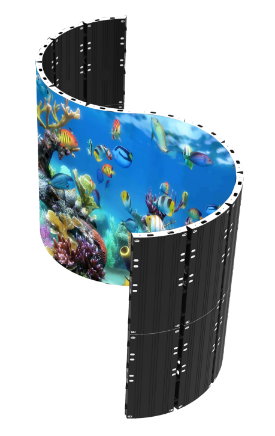 The LED Displays Everyone’s Asking About in 2026 (And Where They Work Best)
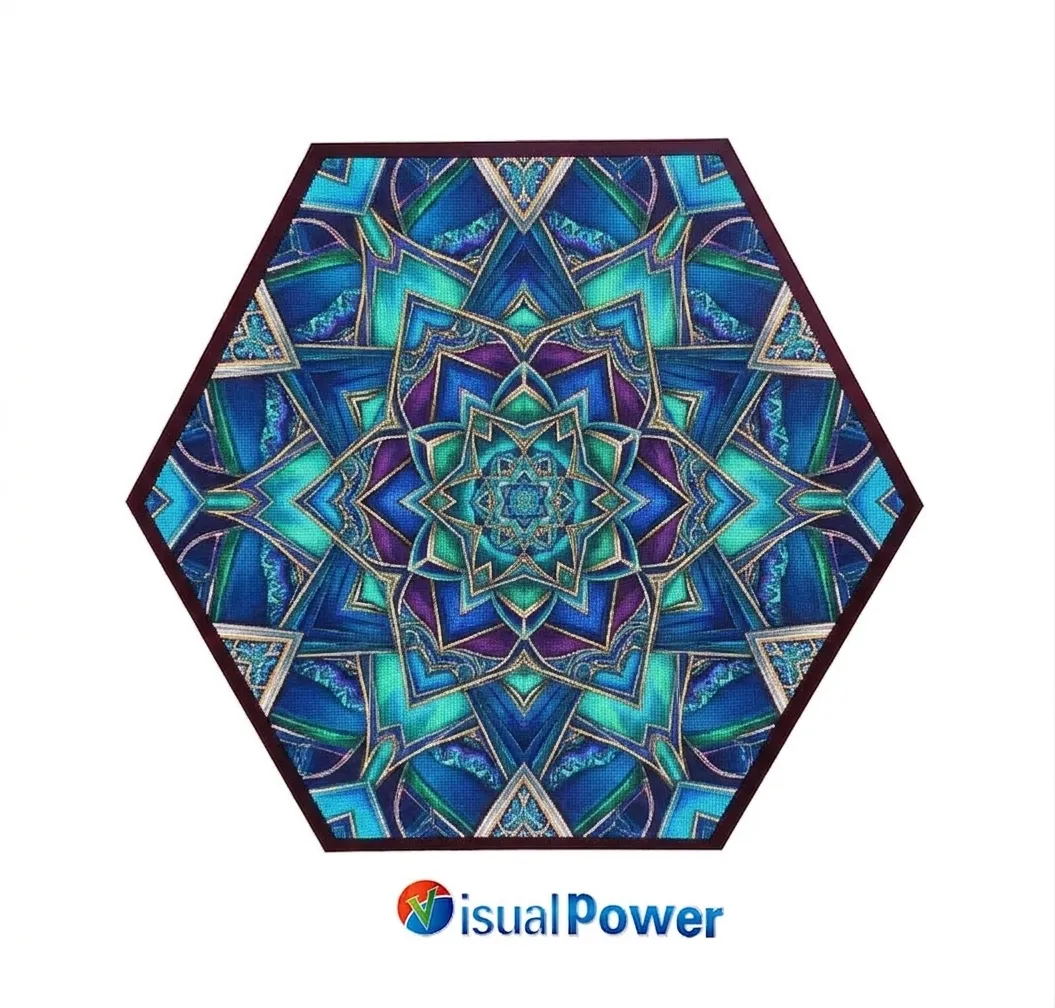 Hexagon LED Display: How Geometric Screens Are Transforming Modern Exhibitions
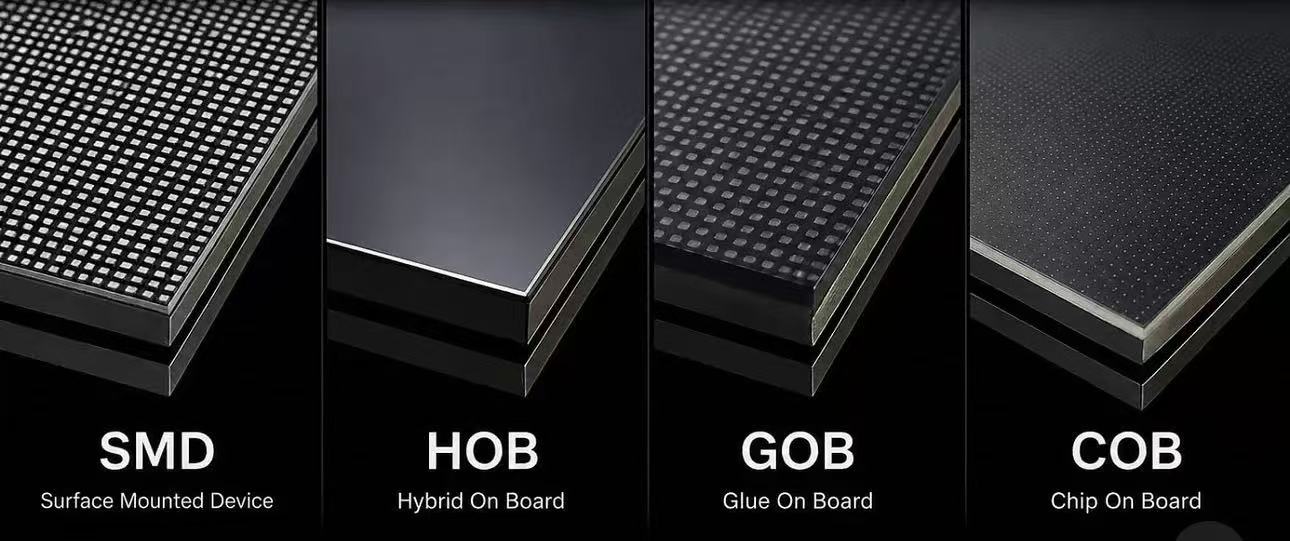 Difference of SMD GOB HOB COB LED display module
 Why Museums Are Turning to Fine Pitch LED Displays for Better Visitor Engagement
 Sphere LED Display Industry Truths: Cost, Content, and Design Risks Explained

 Sales Manager