Why I Fell for Round LED Displays
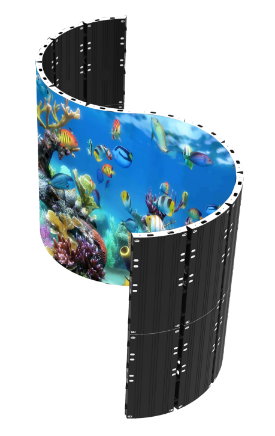
What made me obsessed with “Round LED Display”? The first time I seriously paid attention to the term Round LED Display was in the underground space of an art gallery. It was a new media art exhibition. In the center of the exhibition hall hung a winding, moving display screen, which looked like a waterfall of light flowing down from the ceiling. The colors surged along the soft curved surface. Each frame of the image felt more like woven fabric than an electronic picture in the traditional sense.
At that moment, I realized this was not merely an upgrade in technology, but a complete transformation in how we experience visuals. Since then, I’ve been drawn to every “non-linear” screen that appeared around me.
I once saw a digital showcase constructed with round LED displays in a clothing store. The mannequins were no longer static dolls but silhouettes dancing with light. At a major conference, the stage background wall rippled like waves, and the rhythm almost matched the speaker’s breathing. In the circular atrium of an airport, the curved ceiling screen rolled out flight information, weather updates, and even a seamless skyline animation—making people feel as if they had stepped into the early morning of another city.
All of these moments, in different ways, revolved around the same idea: Round LED Display.
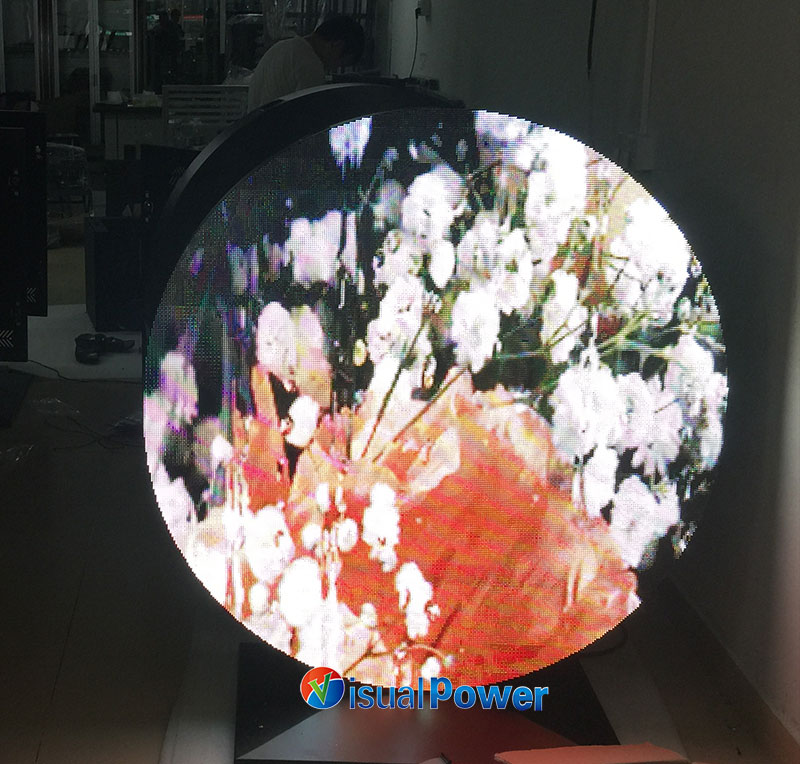
Not Every LED Screen Can Pull Off “Roundness”
I learned the hard way: round screens may look futuristic, but they can’t rescue a weak idea. They work best when they’re built into the space from the start, not slapped on afterward.
A friend once designed a brand pop-up and used Visualpower’s round LED modules to build a circular entrance. People weren’t walking through a door so much as stepping through a moving image. It worked because the idea started there. If you bolt a curved screen on at the last minute, don’t expect the room to just make sense. The real payoff comes when idea and hardware are planned together from the start.
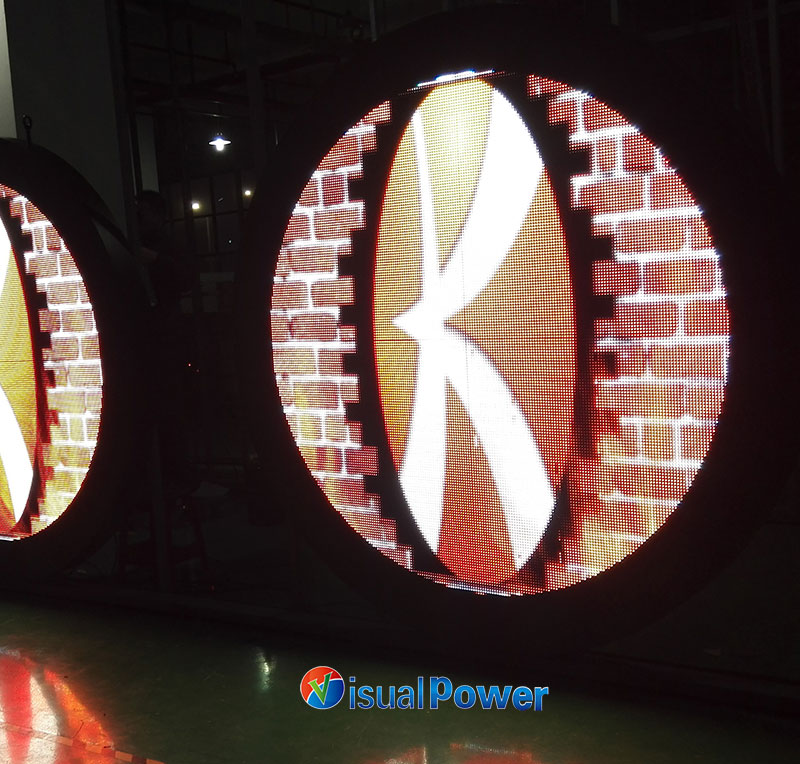
Why Stability, Weight, and Modular Design Matter
Everyone quotes “thin,” “lightweight,” and “high refresh rate.” Specs matter, but they don’t tell you what it’s like when the crew is up on a ladder at 2 a.m.
When I say the screen is light, I mean it’s easy to hang without a ton of heavy support—huge relief when the team is scrambling to set things up. Modular means you can build part of the surface, see how it lands, then tweak or expand—saving money and stress.
Brightness and detail decide whether an image is background or the main voice. Get them right, and the screen does more than light a room—it sets the mood.
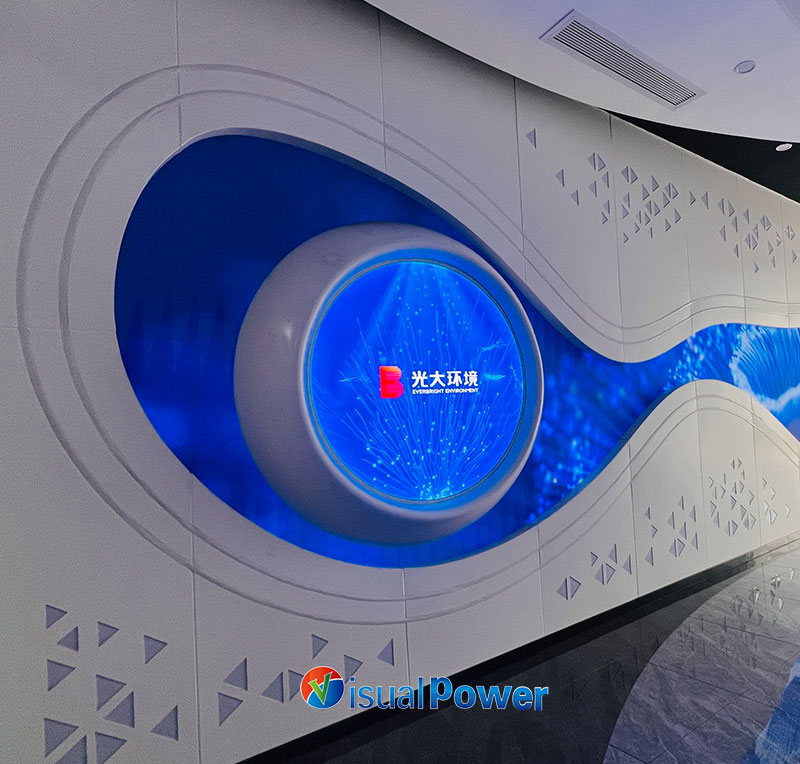
Round LED as a Subtle Style, Not Just a Flex
If you notice the tech before the content, something’s wrong. The best installations sit back and let the content do the work.
I remember a café with a narrow circular strip tucked under the curve of the ceiling. At certain hours it ran a slow forest loop—birds, rustling leaves, nothing loud. No flashy tricks, just a quiet mood that made the café feel calmer. That restraint is what I value most about round displays.
What This Is Really About
All of it comes back to people and how a space feels. In malls, galleries, stages or atriums, the aim is simple: make people pause and actually look.
That’s why I keep coming back to round screens. It’s not the gadgets that linger—it’s how a curved display can nudge the crowd’s mood without shouting.



 The LED Displays Everyone’s Asking About in 2026 (And Where They Work Best)
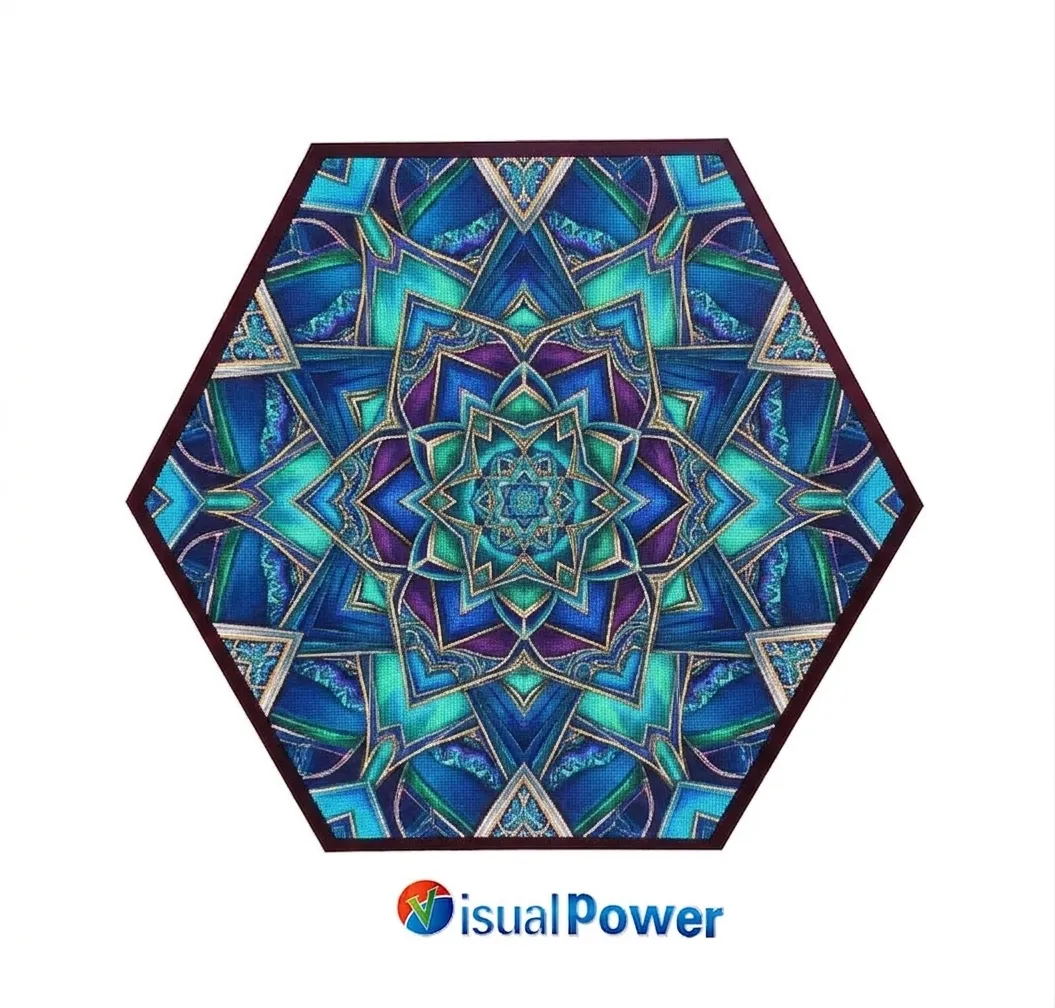 Hexagon LED Display: How Geometric Screens Are Transforming Modern Exhibitions
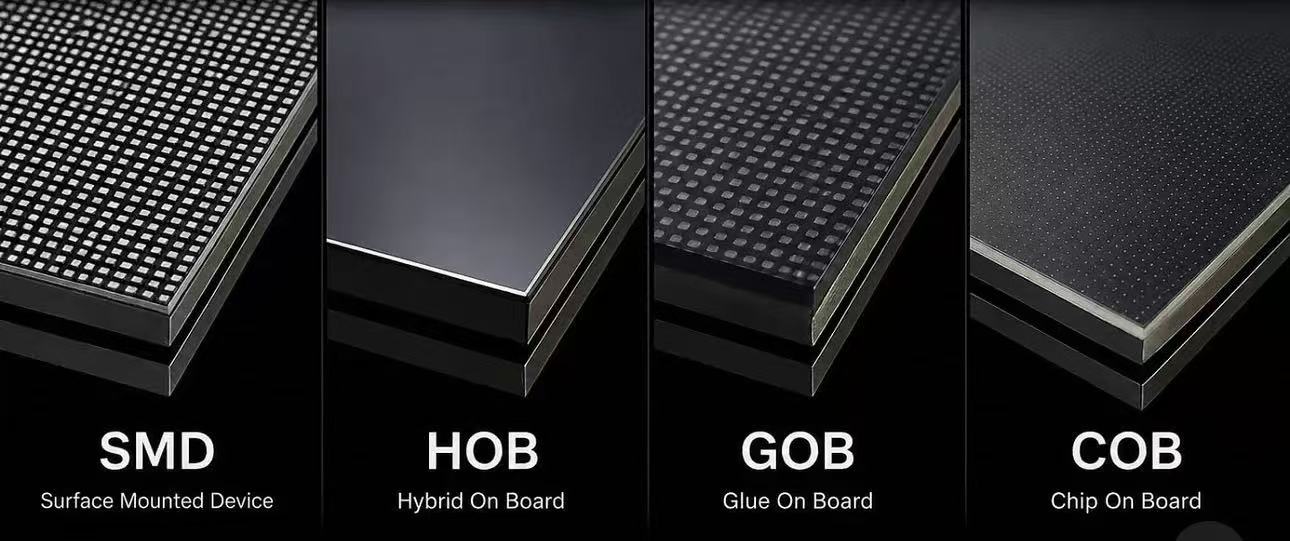 Difference of SMD GOB HOB COB LED display module
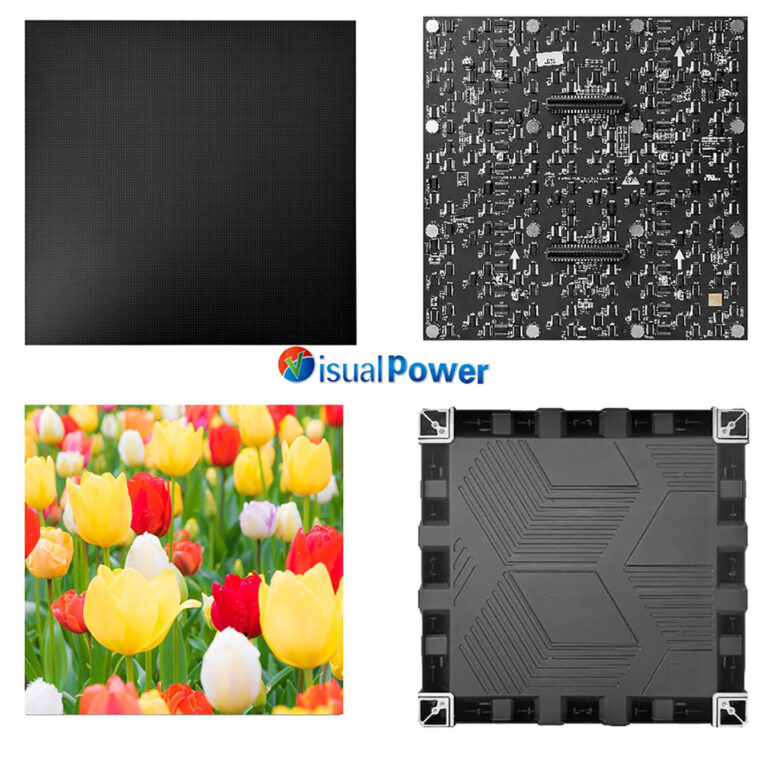 Why Museums Are Turning to Fine Pitch LED Displays for Better Visitor Engagement
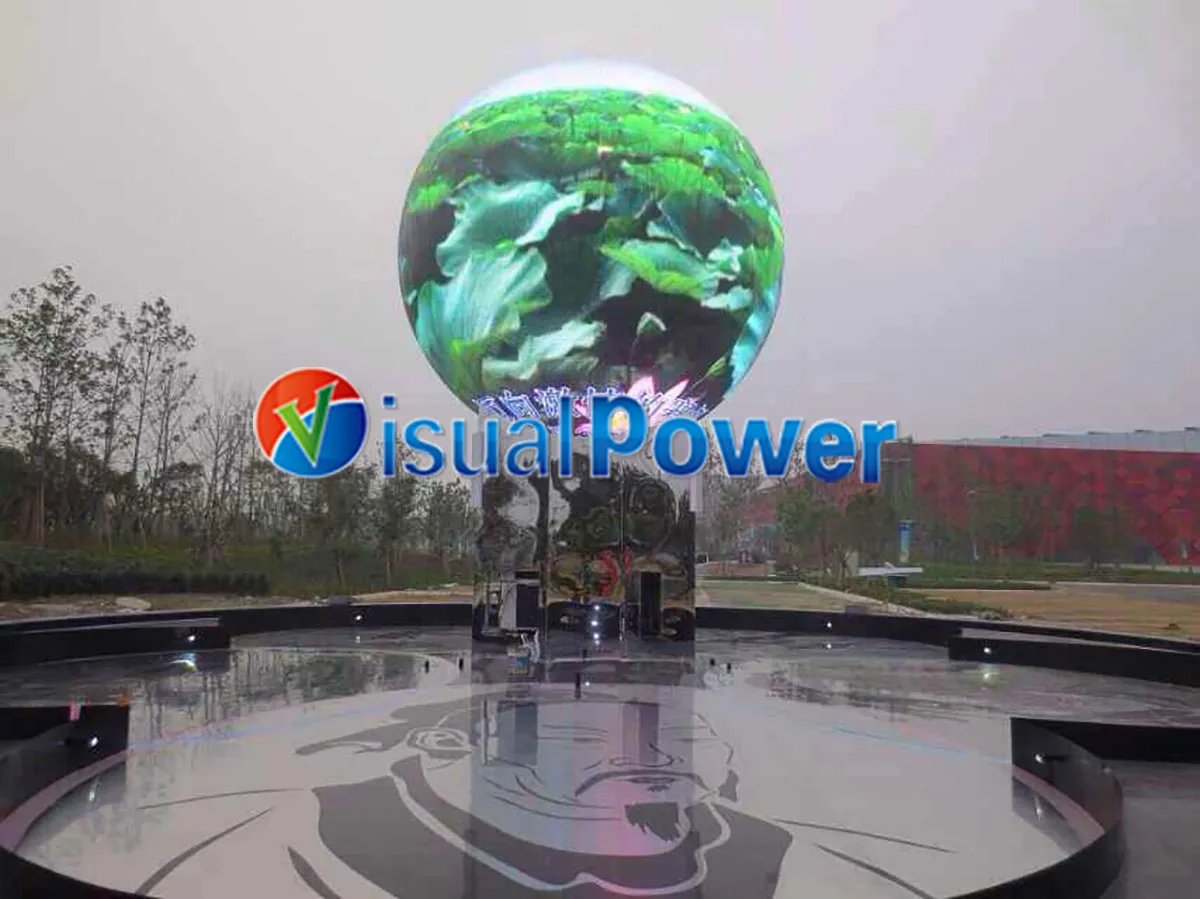 Sphere LED Display Industry Truths: Cost, Content, and Design Risks Explained

 Sales Manager