When Every Second Counts: Why Control Room LED Displays Changed the Game for Me
I’ll never forget the first time I walked into a mission-critical control room and felt like I was inside a brain—constantly thinking, always analyzing. Screens were everywhere, lights dimmed just enough to make data pop, and the people inside didn’t blink unless they had to.
Back then, I was just a consultant helping optimize the AV systems for a regional power grid. What struck me was how essential real-time clarity was in that space. A few seconds of delay could mean outages, financial losses, or worse. That’s when I realized: the screen isn’t just a display—it’s part of the operation.
That experience reshaped how I think about LED displays, especially in high-pressure environments like control rooms. If you’re working with one—or designing for one—here’s what I’ve learned the hard way.

Control Room Displays Aren’t “Just Screens”
When people think of LED screens, they picture Times Square or a stadium jumbotron. Flashy, bright, loud. But in control rooms? It’s a different beast entirely.
You’re not there to wow. You’re there to inform—consistently, precisely, and without fail.
Whether it’s an emergency response center, a traffic command hub, a security operations room, or a corporate NOC, control rooms are about situational awareness. Your screens have to deliver continuous streams of visual data, often across dozens of sources, with zero latency and absolute clarity.
Why LED Became the Gold Standard
In the past, I worked with everything from LCD video walls to rear-projection cubes. They had their time. But LED has simply outpaced them in every way that matters for control room use:
1. Seamless Viewing
Unlike tiled LCDs that have visible bezels, fine-pitch LED panels create a perfectly smooth surface. That might sound cosmetic, but when your job involves reading minute fluctuations in data across a 40-foot screen, those tiny gaps matter. They interrupt flow, obscure information, and fatigue the eyes.
2. Brightness Without Burnout
You don’t want Vegas-level brightness in a control room. You want consistency. The beauty of modern LED displays, especially when done right, is their uniform brightness at lower nits, which means operators can look at them for 12+ hours without feeling drained.
3. Longevity and Uptime
Control rooms don’t get coffee breaks. Your display tech better not either. LED displays, especially from trusted partners like visualpower (I’ve used them on multiple installs), have proven themselves in terms of 24/7 operational reliability, with less heat, fewer failures, and simple redundancy.

What I Wish I Knew Earlier (Hard Lessons from the Field)
The Importance of Pixel Pitch
Pixel pitch determines how sharp the image looks at a given distance. In a control room, people often sit close to the screen wall, so you’re looking at P1.2 to P1.5 as the sweet spot.
On one job, we mistakenly spec’d P2.5 thinking it was “good enough.” It wasn’t. People started squinting. We had to retrofit part of the wall six months later. That was a $40,000 lesson in humility.
Control Systems Matter More Than You Think
Your display is only as good as the control system running it. You need the ability to switch between dozens of input sources in real time, display multiple feeds side-by-side, and manage it all without lag.
If the interface is clunky, or the switching takes more than a second or two, operators lose trust. I’ve seen it—when people stop trusting the wall, they rely on their own laptops. And then, the whole point of centralized visualization is lost.
The Structure Needs to Be Built for the Screen, Not the Other Way Around
This one took me a few years to accept. You don’t retrofit a screen wall into an old room layout. You design the room around the screen.
I once watched a team try to wedge a gorgeous LED wall into a control room where the ceiling was just a few inches too low. They ended up cutting out part of the HVAC vent system just to make it fit. Don’t be that team.
Key Features That Actually Matter in a Control Room LED Display
After countless installations, RFQs, and late-night troubleshooting calls, here’s my personal checklist:
High Refresh Rate (3840Hz or higher) – Critical for smooth visual feeds and camera recording.
Wide Viewing Angle (≥160°) – Because people don’t sit directly in front of every screen.
Front Serviceability – If a module goes down, you can pop it off and replace it without dismantling the whole wall.
Color Calibration Tools – Real-time monitoring of brightness and color consistency matters more than people realize.
Low Latency Control System – You want milliseconds, not seconds.

Where I’ve Seen It Shine
Emergency Response Centers
We deployed a curved LED wall for a regional fire department’s command center. During wildfire season, it became their lifeline—tracking wind speeds, drone footage, team positioning in real-time. The clarity was stunning, but more importantly, it worked. Always.
Transportation Control Rooms
I worked on a metro rail project where we used modular LED panels to form a massive wraparound control desk. With feeds from over 200 cameras, train GPS data, and scheduling software, the system never skipped a beat.
Energy & Utilities
In one utility’s grid monitoring facility, we designed a massive wall that could show real-time voltage, grid frequency, and consumption patterns—all at once. Thanks to the fine-pitch LED and high refresh, they could even zoom into waveform anomalies without distortion.
Mistakes That Could Sink You
Using Consumer-Grade LED Tech – Control rooms need industrial-level reliability. Don’t cut corners.
Forgetting About Power Redundancy – Always go dual power. One surge shouldn’t take down your whole wall.
Ignoring Heat Management – Even cool LEDs emit some heat. If your ventilation isn’t ready, you’ll cook your tech (and your people).
Treating It Like a TV Wall – It’s not. This is a live tool, not decoration.
Final Thought: It’s Not About the Display, It’s About the Decisions
What keeps me coming back to this line of work isn’t the gear—it’s the impact. A well-designed control room LED display is about more than specs or surface area. It’s about enabling quicker, smarter, more confident decisions.
When everything’s on the line—whether it’s a security breach, a power failure, or a life-or-death call—you want technology that disappears into the background and just works.
That’s why I keep choosing LED. Not because it’s trendy. But because it lets the people who matter most do their jobs better.



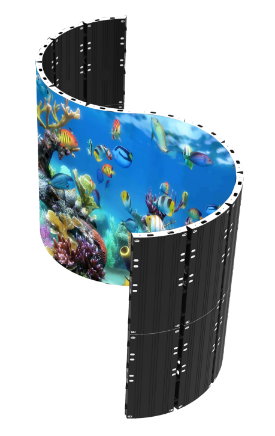 The LED Displays Everyone’s Asking About in 2026 (And Where They Work Best)
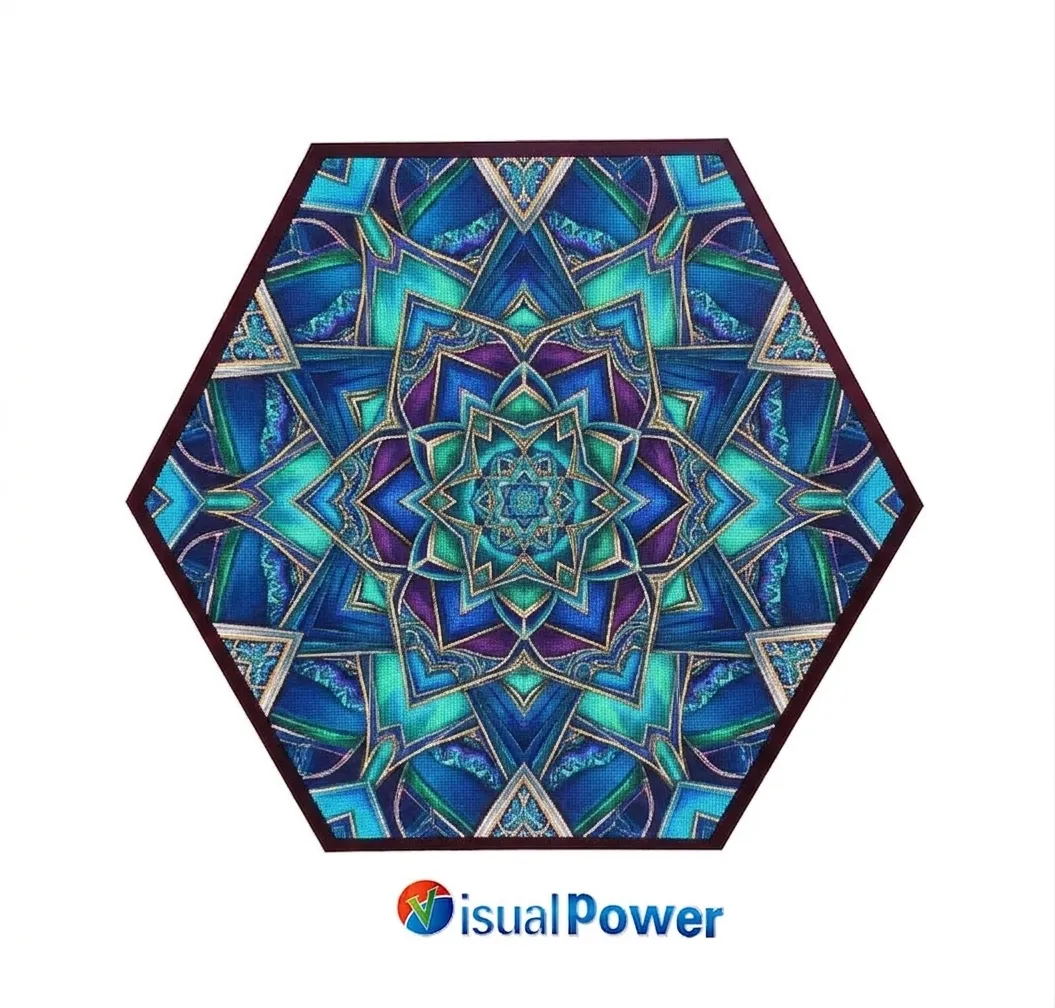 Hexagon LED Display: How Geometric Screens Are Transforming Modern Exhibitions
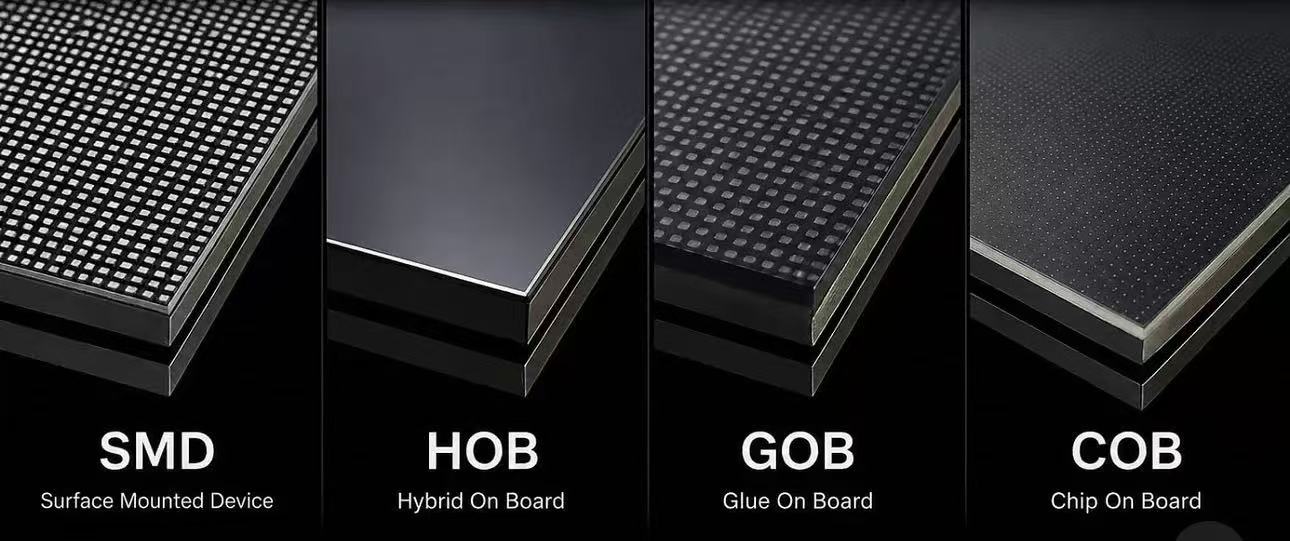 Difference of SMD GOB HOB COB LED display module
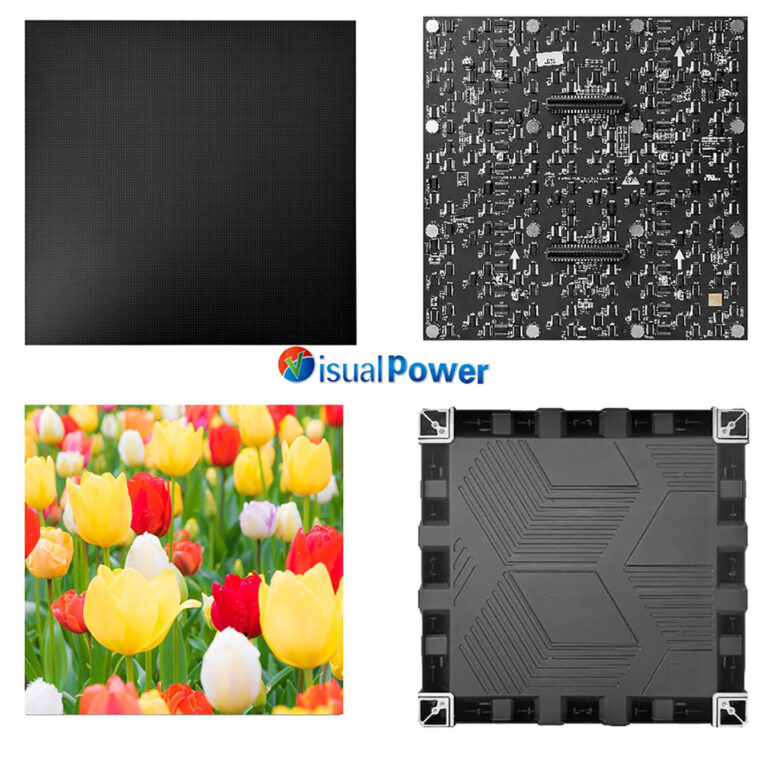 Why Museums Are Turning to Fine Pitch LED Displays for Better Visitor Engagement
 Sphere LED Display Industry Truths: Cost, Content, and Design Risks Explained

 Sales Manager