My extraordinary connection with TV studio LED display screens
The first time I truly came into contact with a large LED display screen used in a TV studio was after an on-site debugging session at 2 a.m.
It was a live preview of a national variety show, and the atmosphere backstage was extremely tense. I was called backstage to help solve an image synchronization issue. The LED screen kept flashing and lagging—hosts even paused for a few seconds to catch their script. Every second could disrupt the live flow and confuse the audience.
It was at that moment I understood what it means to be not a real studio—it lacked precise, fast, and rock-solid support. And from that day on, I became fascinated by the hard power behind studio-grade LED walls.

What makes a TV studio LED screen so special?
Ultra-High Clarity
In live broadcasts, the host’s face, guest smiles, and stage details must be crystal clear. Blurriness, graininess, and flicker get magnified by HD cameras. I once used a P1.2 fine-pitch LED wall when paired with 4K cameras—every texture stayed crisp, right down to the stitching on clothing.
Color Accuracy and Brightness Dialed in to Perfection
Cameras are finicky about color. I once saw overflow brightness and warm lighting throw off the white balance, skewing everything red and forcing reshoots. Since then, we’ve locked studio brightness at 600–800 nits and live‑monitor color temperature, so what the director sees and what the camera captures line up.
Refresh Rate Must Hit at Least 3840Hz
Any lower, and you get strobing lines on camera. Trust me, anything under 3840Hz won’t hide flicker during live broadcasts.
Pitfalls I’ve fallen into—consider it your warning:
1.Skipping flatness checks
In a traffic segment, we used cheap no‑QC modules to save time. The result? Subtle ripples on the screen, visible as water-wave flicker on camera. The director saw it immediately. We had to swap vendors and recheck flatness before going live.
2.Backstage control system was a nightmare to operate
One studio bought a top-tier LED wall, but switching to guest info or live graphics took 10–12 seconds—live errors piled up. We replaced it with a smoother solution featuring hot-key transitions.
3.Overlooking A/V sync issues
During a high-level live interview, a 200ms delay between host and remote guest killed the flow. Since then, I run end-to-end latency tests from camera to display.
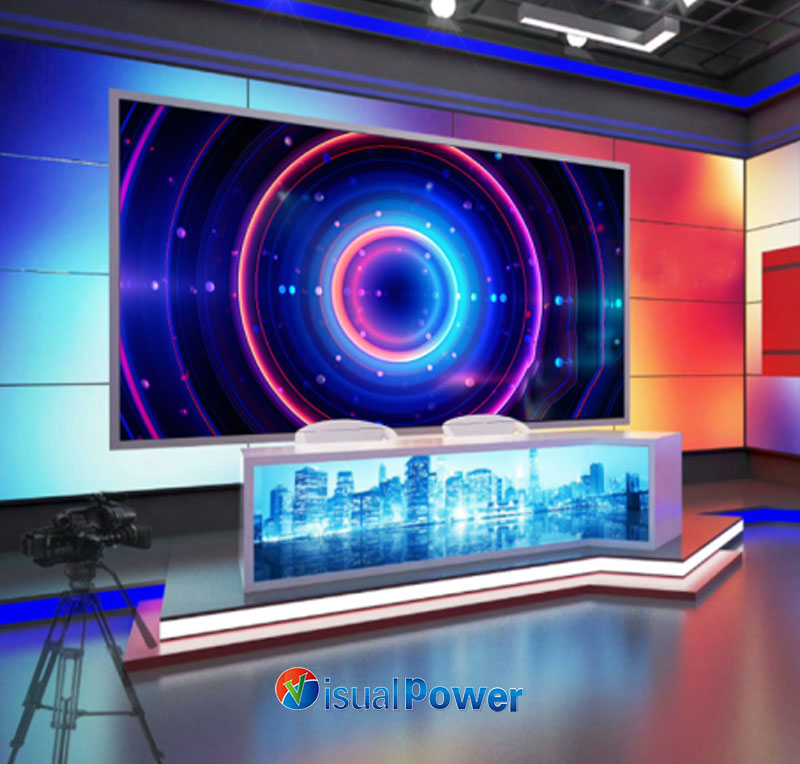
Field-tested layout tips for studio LED walls
● Install a secondary screen for guest info. On one talk show, I positioned a smaller screen left of the main wall showing name, title, and headshot—clean, consistent, and helpful for viewers.
● Add live-data bars. For a tech program, I built overlays with live polling and streaming stats. Data refreshed every second, making the show feel more grounded and interactive.
● Link LED visuals to DMX lighting. I linked to the DMX lighting so warm hues match upbeat segments and cooler tones match deeper topics. When visuals, lighting, and mood sync up, the audience picks it up—no explanation needed.
Best places studio LED really shines
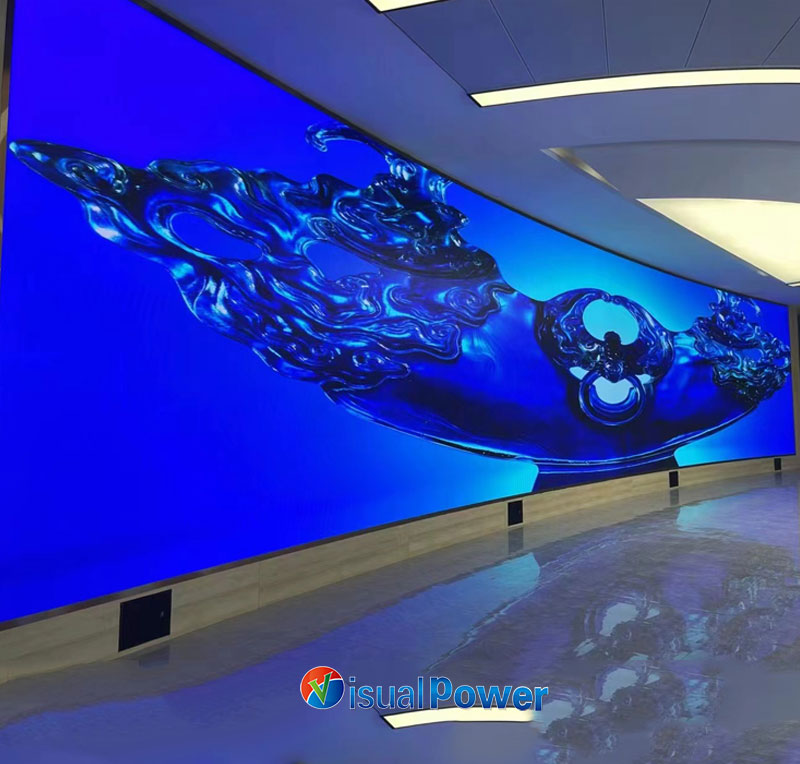
● High-end talk shows: From political interviews to deep-tissue chats, big, high-definition LED walls add cinematic texture—desk reflections, subtle expressions—far beyond what projectors or LCDs offer.
● International live links: I tuned an LED wall for a global broadcast so the host and remote guest feeds matched perfectly—even through network jitter, viewers only saw a smooth picture.
● Music shows and award ceremonies: Surrounded by dynamic LED panels synced with stage motion, the audience truly feels like they’re part of it. I once aligned LED flash patterns with stage lighting at an award show—and the venue felt like a channel come to life.
Why I recommend it to friends—without actively selling
Working in studio tech, it’s easy to fall into “hardware pushing.” But I don’t. Instead, I’ll say:
“Film the LED wall at 10 ft and 15 ft using the same camera—that comparison alone tells you what pitch you really need, not vendor specs.”
That’s how I build trust—with real advice, not sales talk. That sincerity helps technical teams make the right calls.
Summary: LED isn’t just background—it’s the soul of the set
Looking back to that 2 a.m. rehearsal, I realized a studio LED display wall isn’t a pretty backdrop—it’s a real-time partner, tuned to flow, stir emotion, and serve the story.
It’s the conductor’s baton and the emotion accelerator. When it works, the audience stays locked in; when it fails, it’s like a blackout—everything stops.
That’s why I always start with content first, and optimize LED specs, layout, and control logic to make it a powerful storytelling tool.



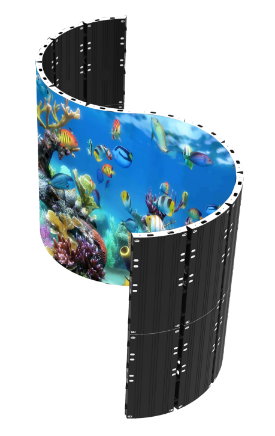 The LED Displays Everyone’s Asking About in 2026 (And Where They Work Best)
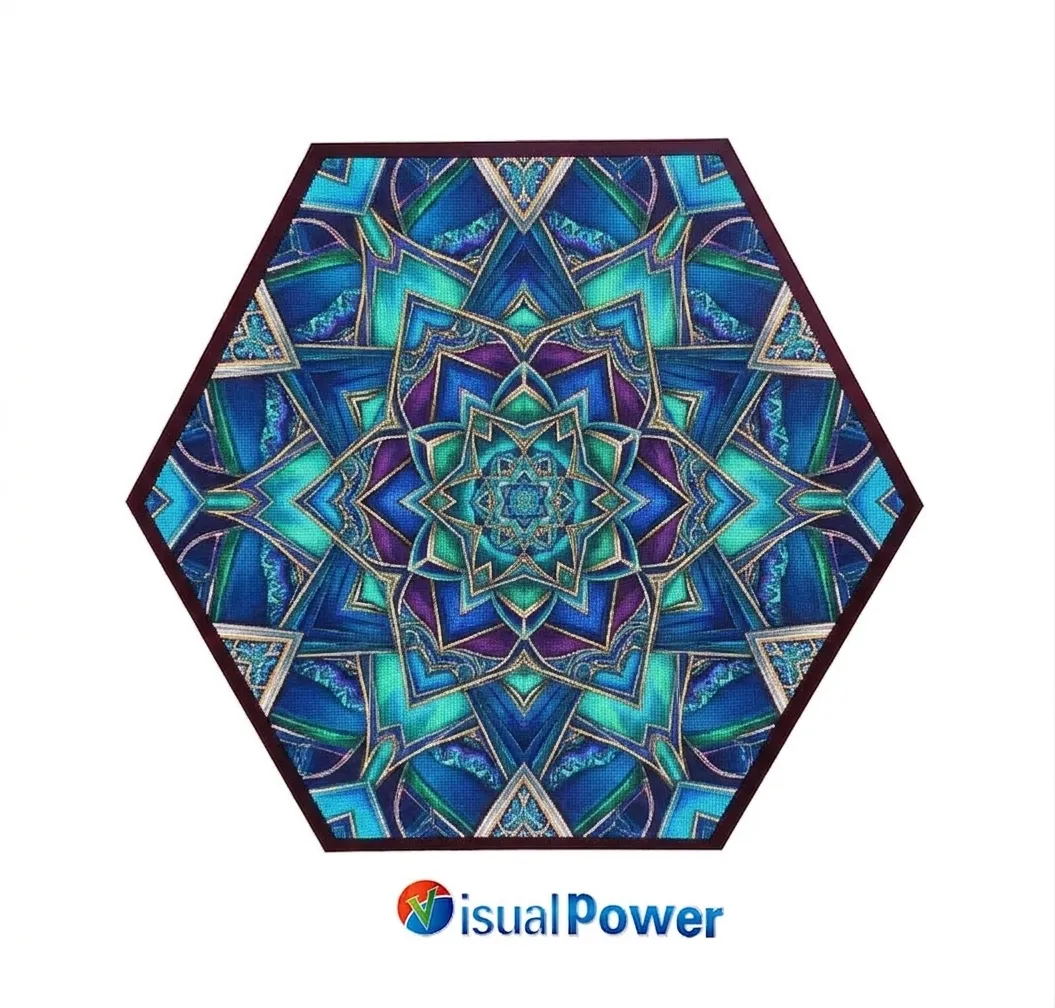 Hexagon LED Display: How Geometric Screens Are Transforming Modern Exhibitions
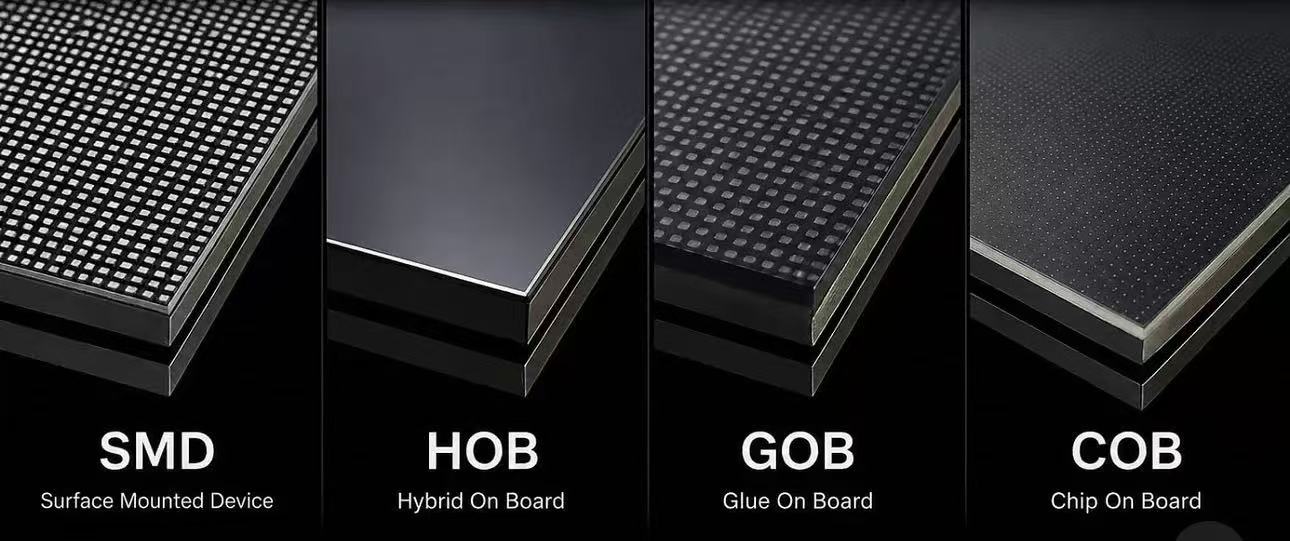 Difference of SMD GOB HOB COB LED display module
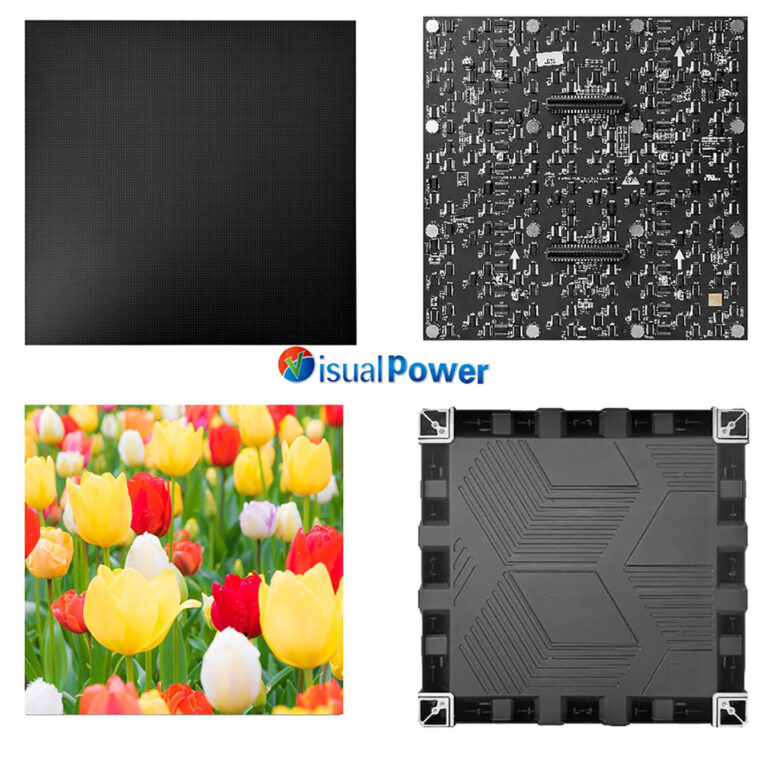 Why Museums Are Turning to Fine Pitch LED Displays for Better Visitor Engagement
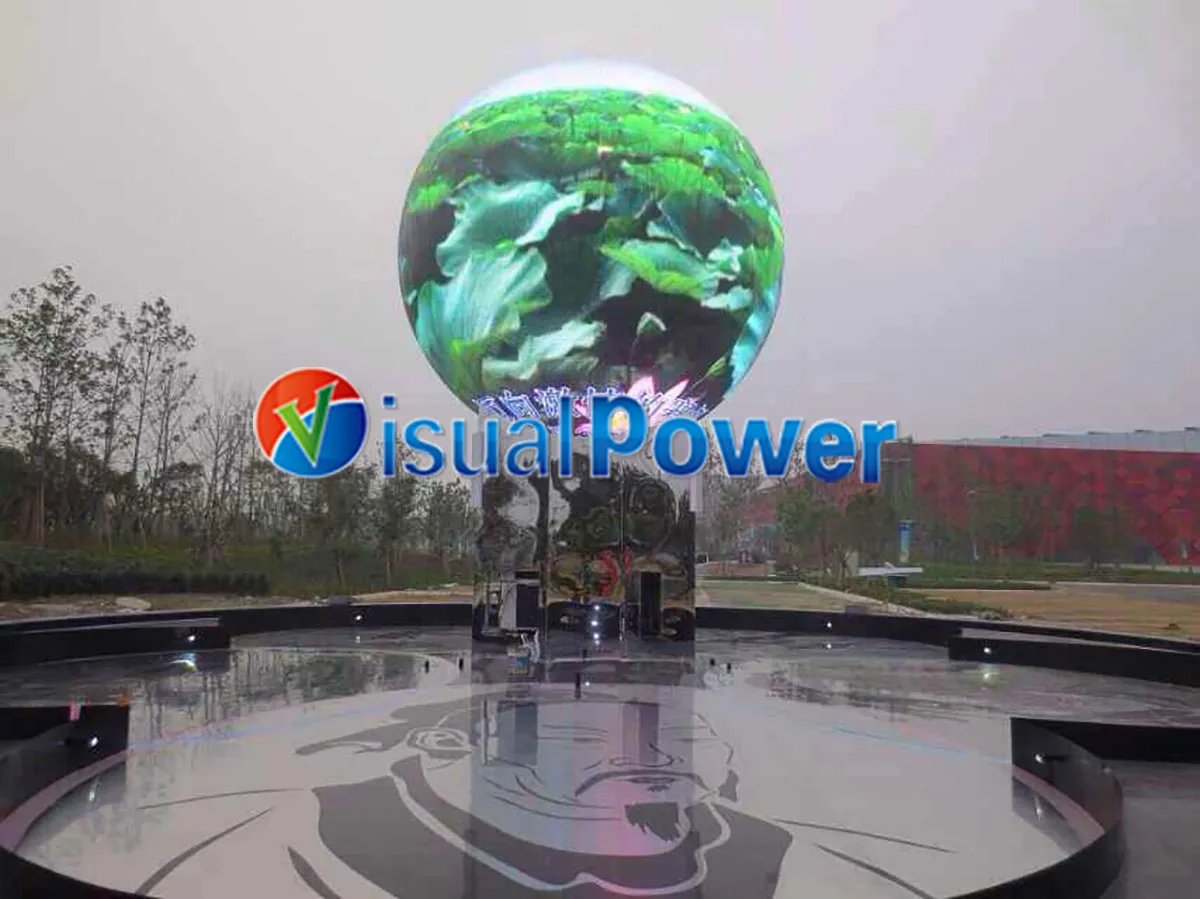 Sphere LED Display Industry Truths: Cost, Content, and Design Risks Explained

 Sales Manager