Why did I ultimately choose Flexible LED Display: an adventure in spatial imagination
To be honest, before coming into contact with Flexible LED display, my understanding of LED screens was still limited to words like “high definition”, “large screen” and “billboard”. And as for this whole idea of ‘flexibility’? I never thought it had anything to do with being practical.
But it was precisely this unremarkable decision that gave me a brand-new understanding of my perception of space, the expression of information, and even the boundaries of design.
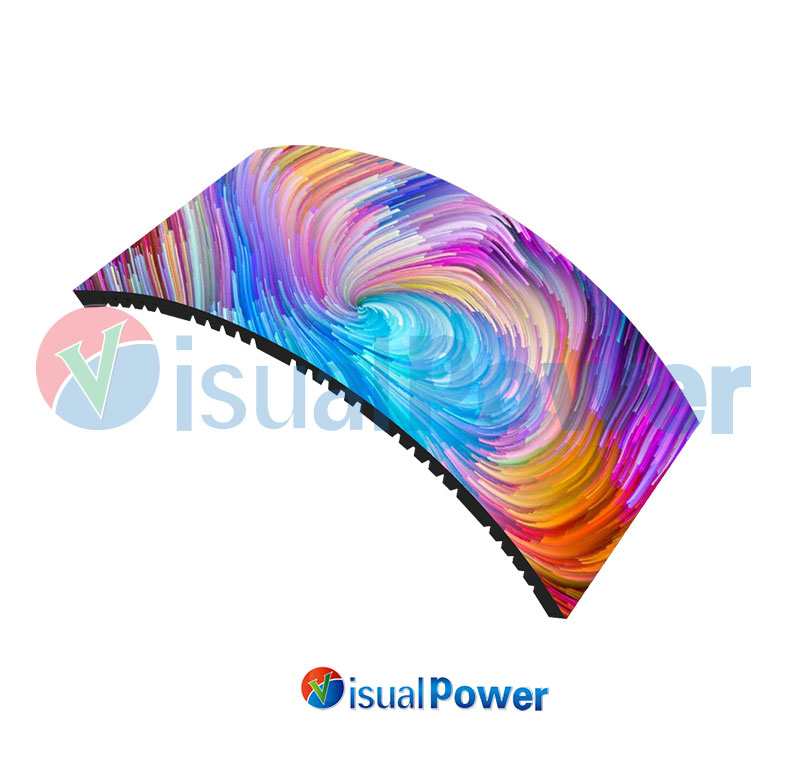
At first, I just wanted to find a display solution that wouldn’t block foot traffic
That day we were setting up a non-traditional exhibition space. The space curves and flows, with no proper wall—finding a spot for traditional display screens felt impossible. We tried hoisting, embedding and angled installation, but none worked: the space got disrupted, or the visuals felt as rigid as a subway ad.
It was at this point that someone suggested, ‘Why not try flexible LED screens?’
I couldn’t help but smile in response. Flexible? You mean that bendable kind? Isn’t that risky in an exhibition hall?
But that question planted a seed.
That’s when I finally understood what ‘flexibility’ really meant
I started researching, visited live demos, and even went to a lighting-visual expo. It wasn’t until I saw a flexible LED curtain wall installed along a spiral staircase like fabric, with no sense of awkwardness.
That’s when it clicked—‘flexibility’ wasn’t a gimmick or a flaw. It was the ability to adapt.
It doesn’t dominate or intrude—it just cooperates with the original structure and breathes naturally within it.
I remember thinking, “If it were that, space wouldn’t have to give way anymore.”
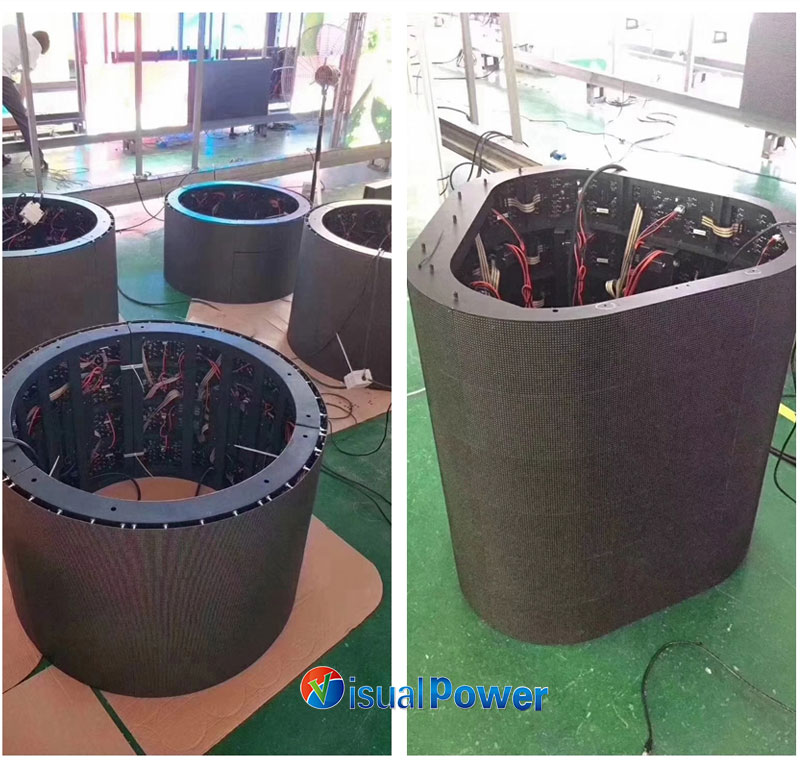
The greatest value of flexible screens has never merely been their ability to bend
In the end, we deployed four flexible LED screens in the exhibition hall, each about 1.2×2 meters, mounted onto various curved surfaces. One panel lined the inner wall of an arched structure, creating a living portal that shifts brightness and color temperature in response to foot traffic.
After completion, the most common comment from visitors was: “I didn’t notice the screen. It was the light that was moving.”
Sounds understated—but to me, it was the perfect compliment.
Traditional screens steal the spotlight. Flexible LED displays became part of the spatial experience.
They don’t just present content—they internalize it, blending visuals into the space’s atmosphere so information doesn’t feel out of place.
Several key takeaways from using Flexible LED display
First, don’t think of it as just a curved version of a standard LED screen
Its value lies in integration, not novelty. If your goal is just a flashy highlight, think twice—the ideal use case is where “space must stay intact, yet content must live there.”
Like corners of exhibit halls, mall kiosks, public art walls, or curved ceilings—no standard install spots, yet eyes naturally land there.
Second, content always trumps hardware
You can’t treat it like a flat screen. Our first attempt imported a brand video whole—it distorted, visual center drifted, rhythm mismatched, everything fell apart.
Eventually, we repositioned the visual focal pointaligned motion to pedestrian flow, softened colors to avoid crease effects, and based animation logic on spatial movement. We split visuals into dynamic “guiding symbols”; the screen gradually lights up as they approach.
Third, control system is more intuitive than you’d think—but wiring must be preplanned
A lot of people wonder, ‘Is this screen tough to install? Is the wiring complicated?’
My answer? The control system isn’t complicated—in fact, it’s more intuitive than typical spliced screens. But wiring needs planning.
Flexible modules are lightweight and soft, allowing magnetic mounting, embeds, adhesives—but that adaptability demands smart routing. We invited a structural engineer and the system vendor to jointly create a visual wiring plan, even adding backup conduit. Result? Setup was nearly plug-and-play.
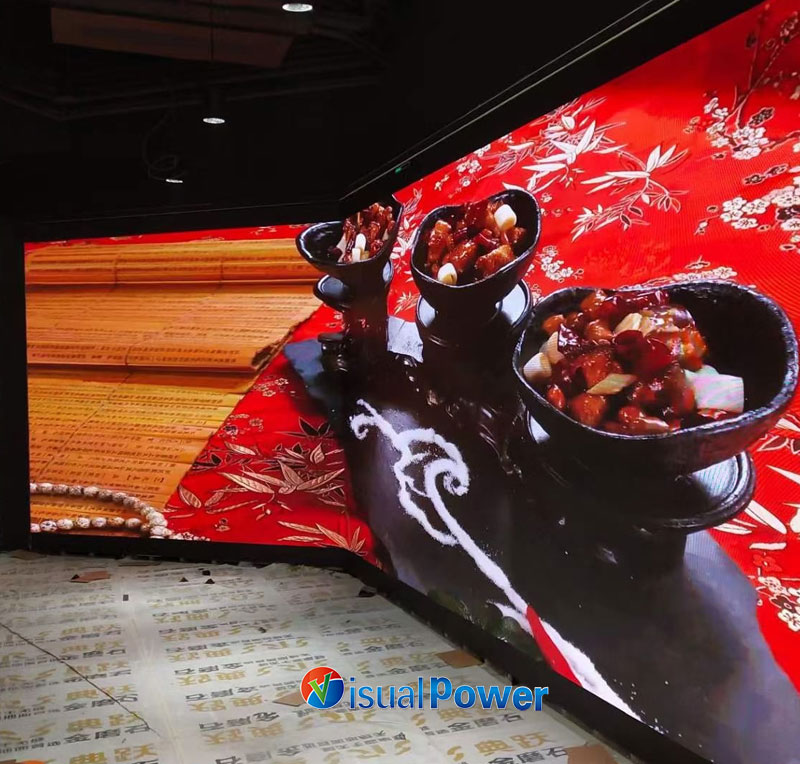
How Flexible LED display transforms space
Flexible LED display doesn’t just change the display—it makes the space feel like it’s breathing.
I used to think LED walls were just information terminals—but I now see them as the space’s ‘second skin.’
Particularly when it has high resolution, high brightness, and blends with architecture, it doesn’t add a device—it unlocks the space’s suppressed expressive power.
It makes spaces no longer static, but breathe with people.
I never thought technology has to shout for attention. The real sophistication of tech is when it moves you without you knowing.
One time, I saw a guest standing in front of that flexible screen, lost in thought, then softly ask, “Is this wall alive?”
I smiled. In that moment, I felt all the effort was worth it.



 The LED Displays Everyone’s Asking About in 2026 (And Where They Work Best)
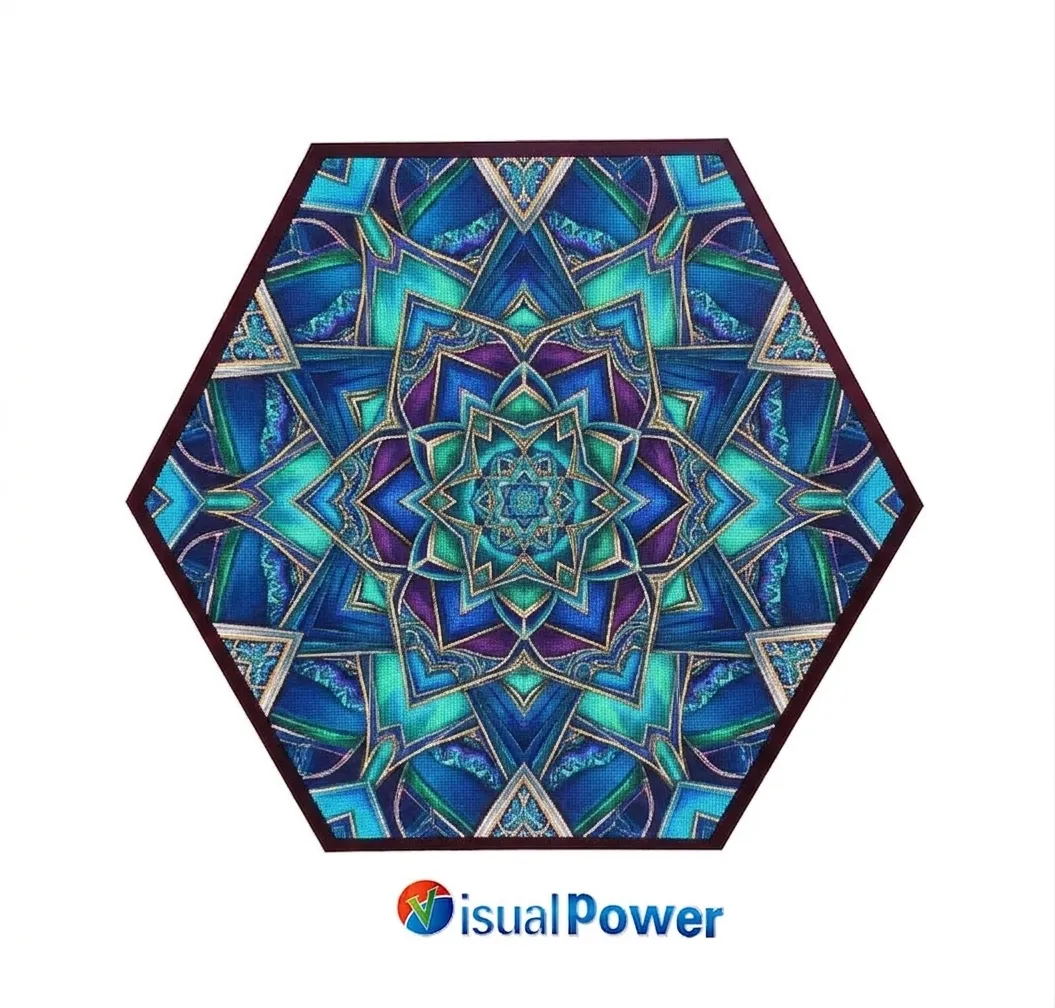 Hexagon LED Display: How Geometric Screens Are Transforming Modern Exhibitions
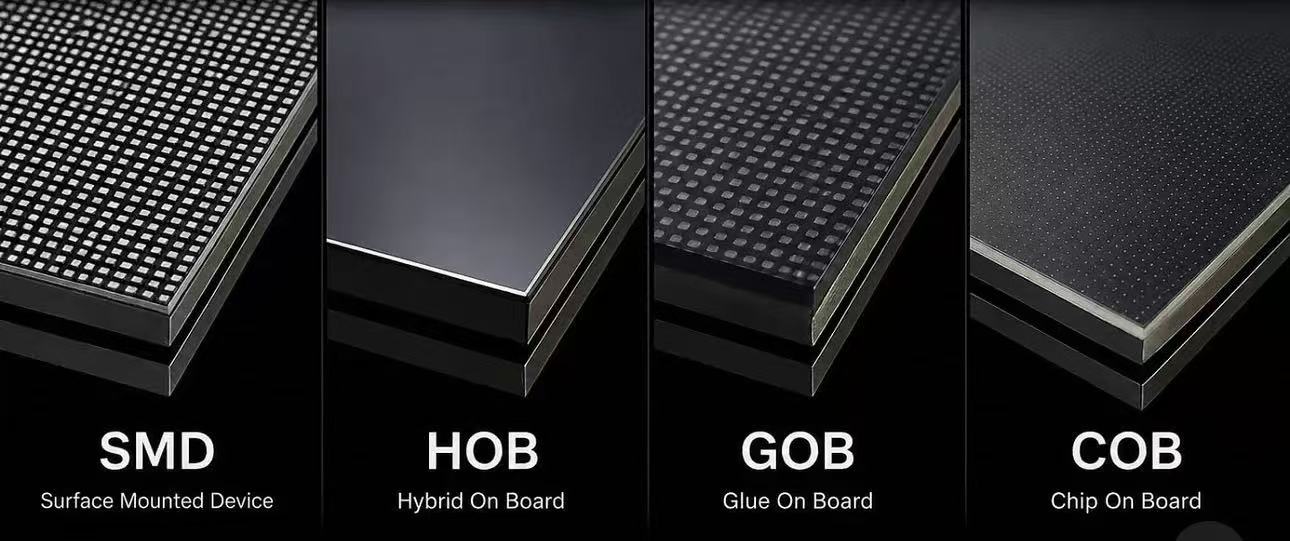 Difference of SMD GOB HOB COB LED display module
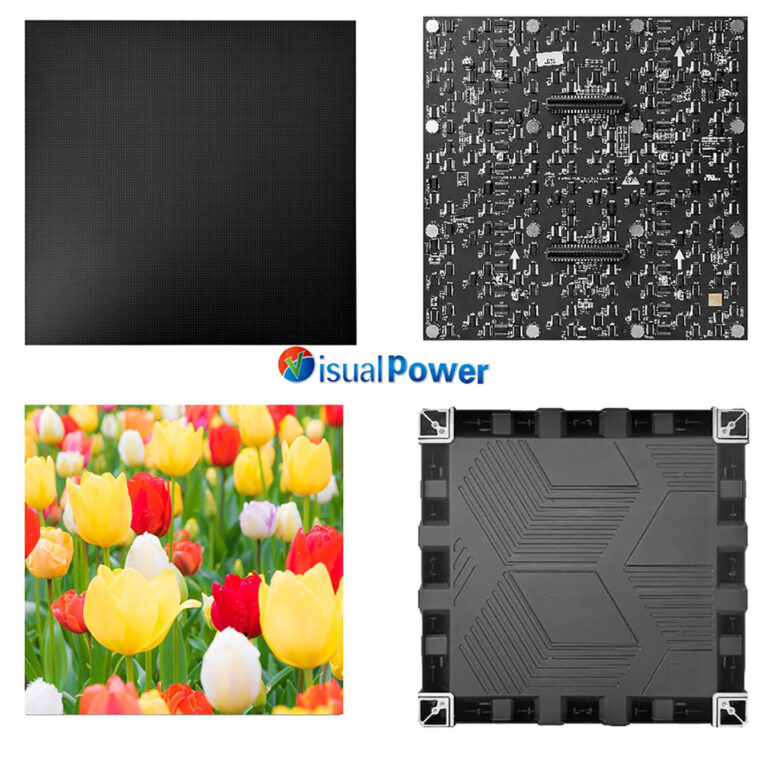 Why Museums Are Turning to Fine Pitch LED Displays for Better Visitor Engagement
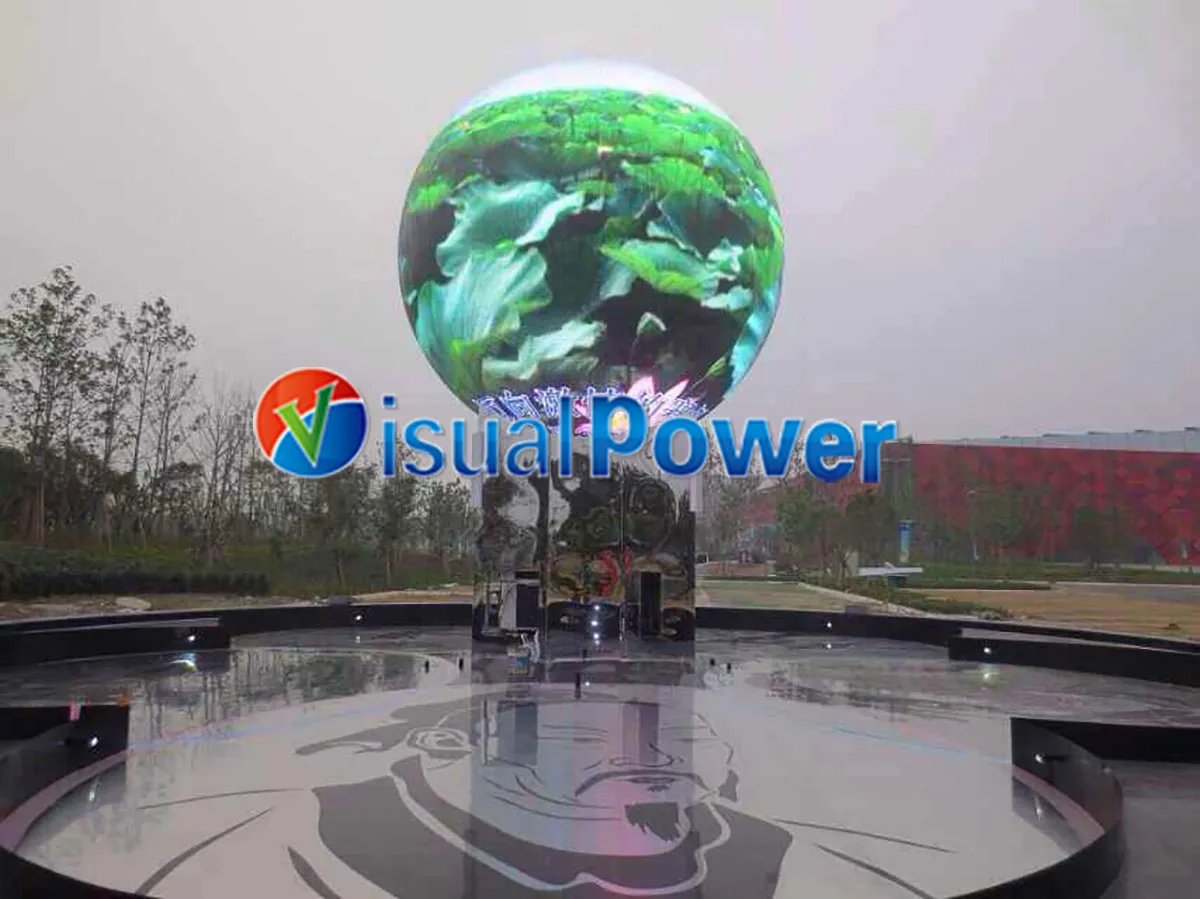 Sphere LED Display Industry Truths: Cost, Content, and Design Risks Explained

 Sales Manager