¿Por qué comencé a tomar un “circular” pantalla en serio?
Al principio, Tenía un pequeño prejuicio contra los llamados “pantalla LED redonda“. Para ser sincero, parece más una decoración tecnológica que un dispositivo funcional. Un día, Un cliente me llevó a asistir a un festival de música inmersivo y vi un grupo de enormes LED circulares rodeando el escenario principal., como un brillante anillo de luz. me paré debajo, aturdido durante dos minutos completos.
eso no es decoracion. Eso es un generador emocional.. El ritmo circular, el flujo visual no direccional, y la coordinación de la dinámica de alta frecuencia ha revocado por completo mi impresión anterior de que lideró las pantallas “simplemente reproducir imágenes”.
Después, Cambié de opinión por completo. Empecé a investigar, intentar, comparar, e incluso promover personalmente soluciones utilizando LED circulares en algunos proyectos. En el camino, He caído en trampas y también acumulé mucha experiencia práctica.. Si está considerando si se debe usar una pantalla LED redonda o no, Este artículo podría ayudarlo a evitar algunos desvíos..
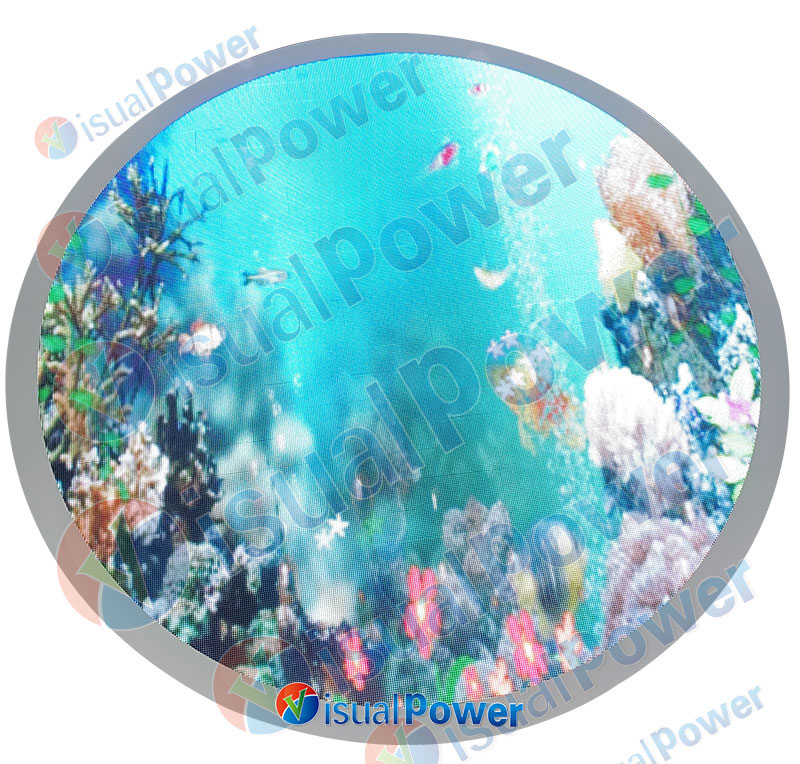
En el que los escenarios son LED circulares adecuados? Mis notas de práctica te dicen la respuesta
1、Exposiciones e instalaciones de arte: Son los anclajes visuales del espacio
La primera vez que usé LED circulares fue en el área de entrada de una exposición de arte.. Era un pequeño espacio de solo tres metros cuadrados. Instalar una pantalla normal era demasiado rígido, Así que probé una pantalla redonda con un diámetro de 1.2 metros. El resultado fue asombroso – Casi toda la audiencia se detendría en la entrada, y muchos incluso sacaron sus teléfonos móviles voluntariamente para tomar fotos. En ese momento, Me di cuenta de que esta pantalla ya no era simplemente un portador de información., Pero el “Observaciones de apertura” de toda la narrativa espacial.
Más tarde, Llegué a saber que cuando la gente encuentra patrones circulares, sus cerebros subconscientemente los consideran como “puntos clave” o “puntos focales”. La capacidad de un círculo para atraer la atención es casi varias veces la de un rectángulo.
2. Escenarios comerciales: Una herramienta poderosa para crear diferenciación de impresión de marca
Una vez asumí el proyecto de una tienda insignia para una nueva marca minorista.. Una frase del cliente me despertó.: “No queremos colgar una pantalla grande como otras para hacer publicidad.” Entonces propuse instalar un LED redondo detrás del mostrador del cajero para reproducir continuamente gráficos de marca y dinámicas flexibles.. ¿Qué tan efectivo es?? El comentario más frecuente de los clientes no es sobre el servicio., sino más bien: “Su pantalla redonda es de alta gama.”
Lo que quieres es este tipo de técnica que “deja una impresión visual”. No necesariamente tiene que ser brillante y con mucho contraste.; siempre y cuando la forma misma pueda “retener personas”.
3. escena interactiva: Cuando la pantalla ya no tiene “dirección”
Al realizar instalaciones interactivas, un círculo tiene una gran ventaja – no tiene restricciones de subida, abajo, izquierda o derecha. Puedes hacer que el contenido se extienda hacia afuera desde el centro., o rotar la información a lo largo del borde, y también lograr una respuesta táctil circular. Esto es particularmente útil en escenarios donde varios usuarios interactúan simultáneamente., especialmente en museos, museos de ciencia y tecnología o parques infantiles.
Sin embargo, Cabe señalar que la lógica de diseño del contenido involucrado en los LED circulares será diferente a los convencionales.. Necesitas repensar el método de diseño., el ritmo de la información, e incluso el recorrido de la mirada de los usuarios. Probé un “radar visual” -sistema de visualización de información de estilo. El público formaba un círculo alrededor de la pantalla., como leer un universo de información de 360°.
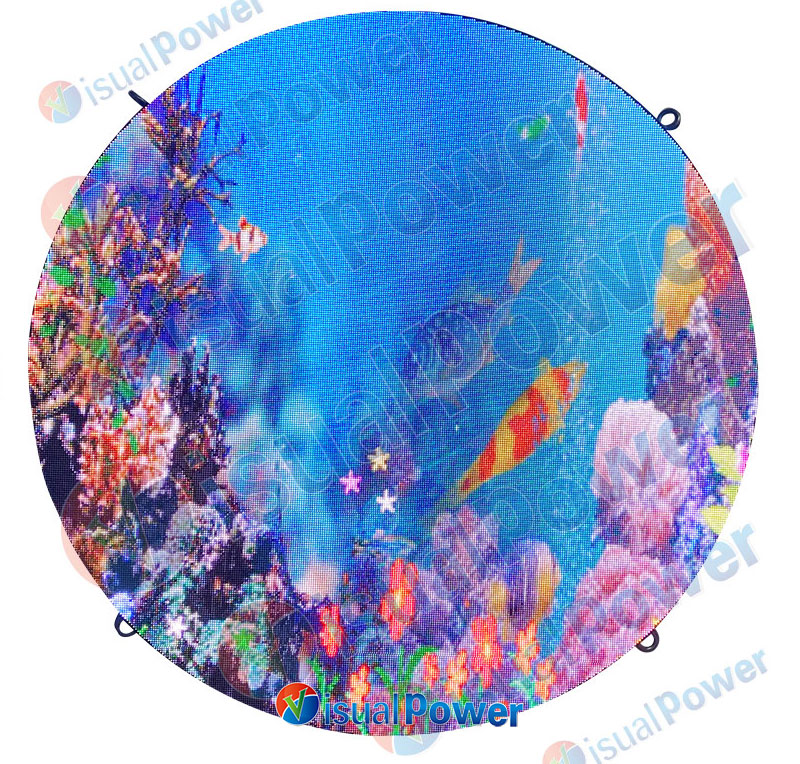
La selección de tecnología no se puede ignorar: 3 puntos clave que debes dominar de antemano
El método de empalme del módulo determina la integridad visual en la etapa posterior.
No creas que un “círculo” es solo un solo panel. La mayor parte del tiempo, en realidad está compuesto por pequeños módulos. La clave está en si el tratamiento de los bordes está bien o no.. Las costuras rugosas reducirán directamente la textura general.. Recuerde confirmar la tolerancia de empalme y la curvatura mínima con el proveedor..
La resolución debe deducirse hacia atrás basándose en la “distancia de visión”
Este punto es muy fácil de pasar por alto.. La disposición de los píxeles de los LED circulares es diferente a la de las pantallas estándar.. Si no planificas con anticipación, es muy fácil causar la vergüenza de ver borrosos de cerca y efectos desperdiciados desde lejos. Una vez instalé una mampara redonda de 2 metros de diámetro en el vestíbulo de un hotel.. Eventualmente, Elegí un tono P2.5 – estaba bien, ni mucho ni muy poco.
El “adaptabilidad de forma irregular” del sistema de control debe ser probado
Especialmente en el aspecto de la reproducción dinámica de contenidos., Algunos sistemas no son amigables con el soporte circular., y problemas como el estiramiento, desalineación, y puede producirse una asincronía en la velocidad de fotogramas. He sufrido esta pérdida antes. Afortunadamente, Hubo asistencia técnica de la marca para solucionarlo. (uno de ellos era poder visual. Su capacidad para controlar pantallas irregulares me dejó una profunda impresión., pero eso es todo. No daré más detalles aquí).
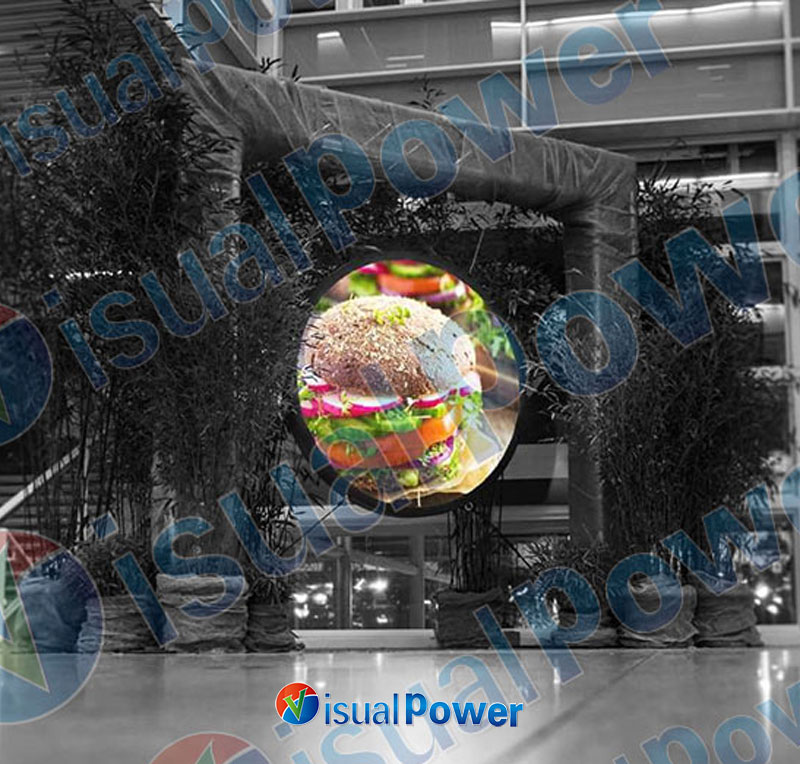
Cómo determinar si realmente necesita una pantalla LED redonda?
Al final, esto no es una cuestión de “si seguir la tendencia o no”, sino qué tipo de sentimiento realmente quieres que tu espacio transmitiera. Normalmente me hago varias preguntas:
Espero que cuando la audiencia vea esta pantalla, Tendrán la necesidad de “recordar” él?
¿Tengo algún contenido que se pueda expresar usando un “estructura central” o “360° interacción”?
Lo que quiero es “ser diferente de los demás” o “orientado a las funciones”?
Si la respuesta a más de dos de las tres preguntas es “sí”, Entonces la pantalla LED redonda podría ser la pieza del rompecabezas que está buscando.
Conclusión: Una pantalla puede hacer espacio “hablar”
Mirando hacia atrás en estos años, Cada vez más creo que las pantallas no son productos técnicos en frío; Ellos son el idioma del espacio. La razón por la cual la pantalla LED redonda es especial es que rompe nuestra definición convencional de la pantalla. No es un espacio publicitario o un monitor, Pero un vocabulario visual y una sensación de presencia.
Puede que no sea adecuado para todos, Pero una vez que lo usas en el lugar correcto, puede decir lo que quieres decir pero no puede.



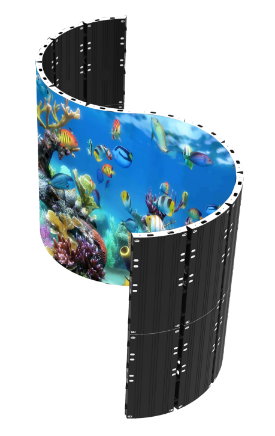 Las pantallas LED sobre las que todo el mundo pregunta 2026 (Y dónde funcionan mejor)
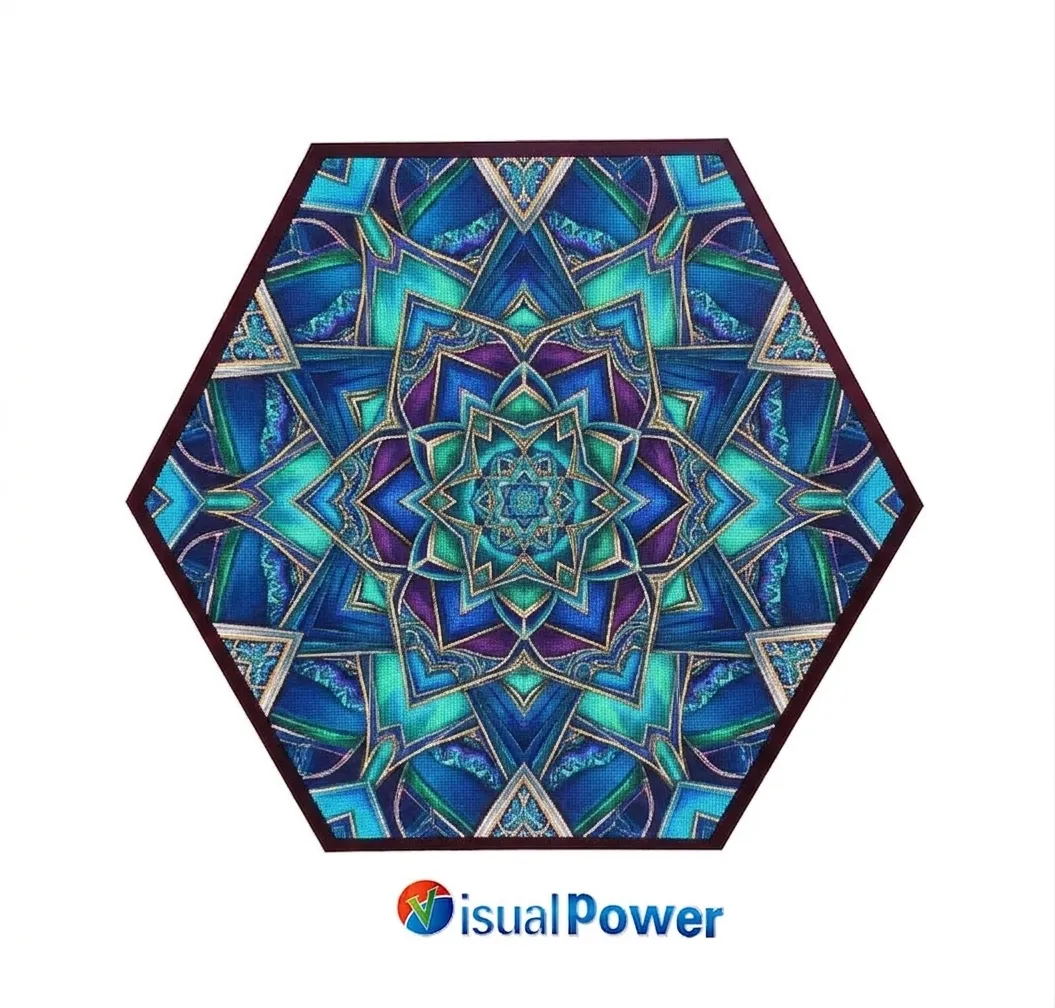 Pantalla LED hexágono: Cómo las pantallas geométricas están transformando las exposiciones modernas
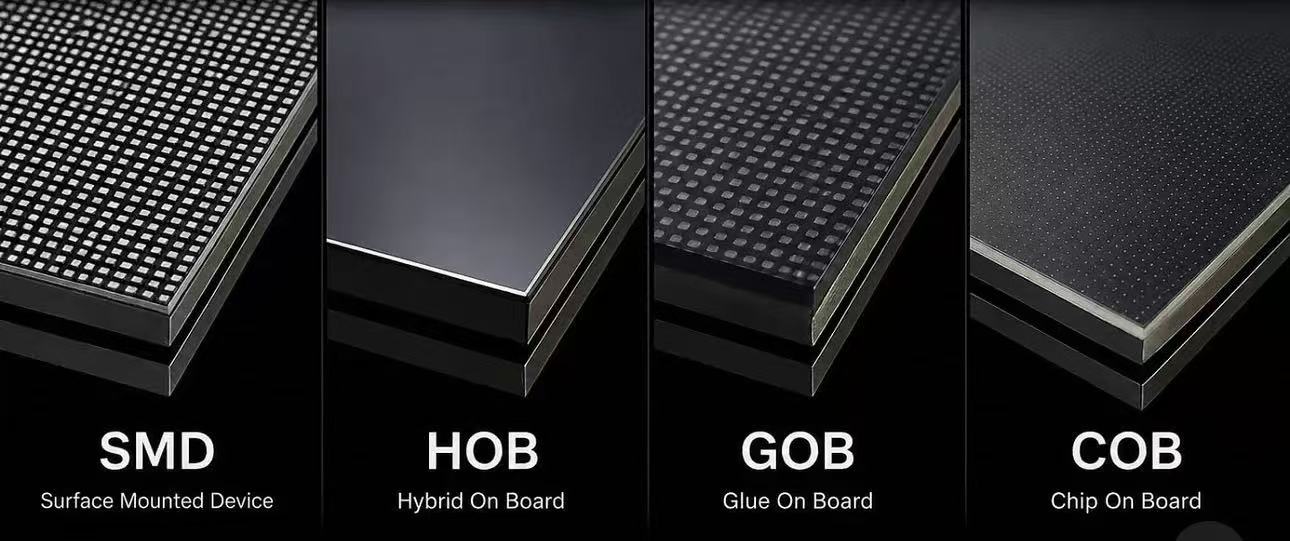 Diferencia del módulo de pantalla LED SMD GOB HOB COB
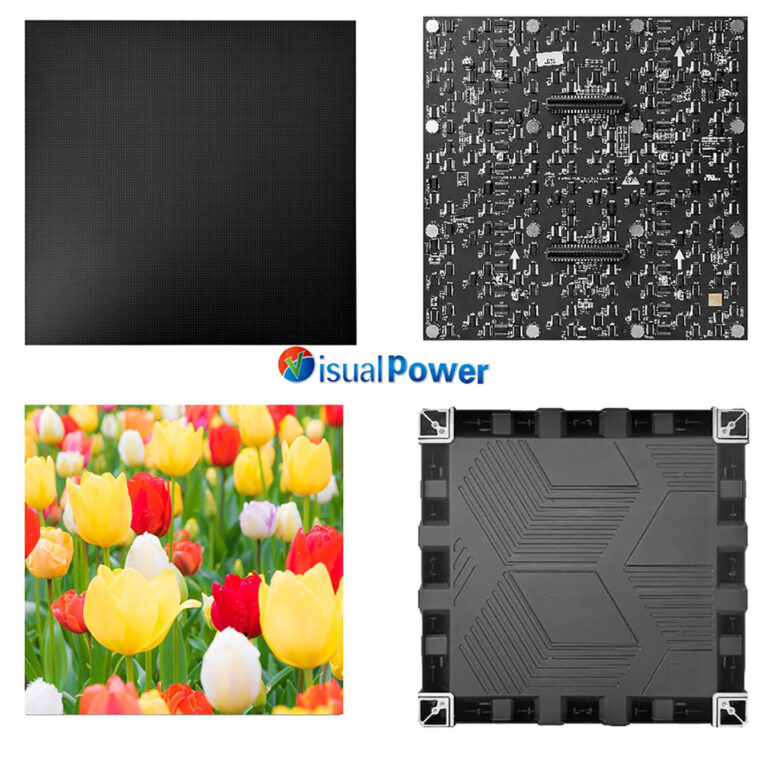 Por qué los museos están recurriendo a pantallas LED de paso fino para una mejor participación de los visitantes
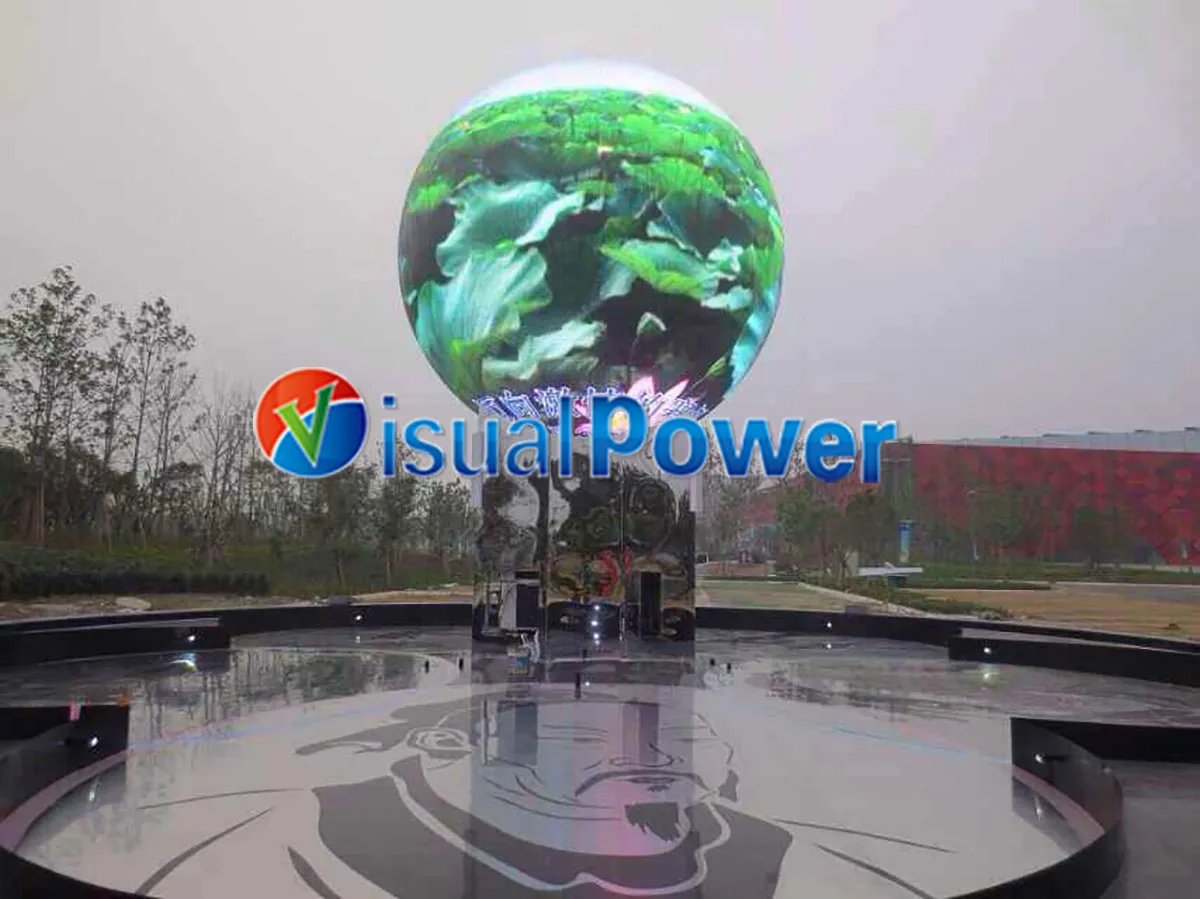 Verdades de la industria de pantallas LED esféricas: Costo, Contenido, y riesgos de diseño explicados

 Gerente de ventas