Why did I decide to install LED displays in the nightclub? As a bar owner, this is one of the decisions I regret the least
I’ve been running a fairly popular nightclub in Atlanta for seven years.
If you ask me what the most crucial aspect of running a nightclub is, my answer might be quite different from what most people imagine. It’s not the profit from the drinks, nor the DJ lineup, but the atmosphere.
A nightclub with a full atmosphere—guests are willing to stay for an extra hour, have more rounds of drinks, and even bring their friends along next time. To create that immersive feeling that makes people hard to leave, relying solely on sound and lighting systems is far from enough.
It wasn’t until I installed the nightclub LED display that I truly understood this truth.
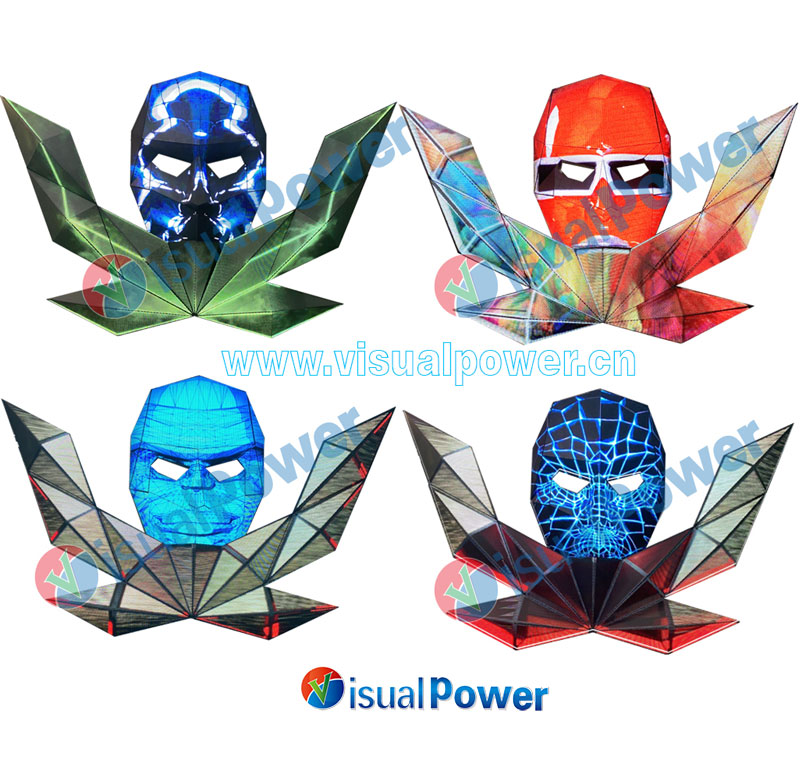
“We’re not playing music; we’re creating an experience.”
To be honest, my initial impression of LED screens was just two words: expensive and dazzling. At that time, I thought that thing was just for the top clubs in Las Vegas. We independent stores couldn’t afford it.
But once, when I was on a business trip to Miami, a friend took me to an underground nightclub. I remember very clearly that when I first entered the door, there were no particularly stunning decorations. Even the lighting around the dance floor was rather low-key. But when I looked up and saw the set of circular LED light screens on the ceiling, which slowly changed into a nebula-like dynamic effect in coordination with the music, I was completely stunned. At that moment, I wasn’t looking at the lights; I was “sucked in” by the entire space.
That night when I came back, I made up my mind to bring LED screens into my club—not for the sake of showing off, but to bring the entire space to life.
LED display screens have not only changed the visual experience but also the consumption rhythm
The original layout of my bar was a bit irregular. The ceiling was relatively low, the dance floor was in the middle, and the private room areas were on the left and right sides. We spent a lot of money on the lighting system before, but we always felt that the rhythm control was not fine enough. Many times, the guests didn’t get excited when they should and didn’t react at all during the climax.
After installing the LED screens, we set up one screen directly above the dance floor and another on both sides of the walls. We didn’t use it to play the Logo or advertise. Instead, we made corresponding visual animations in advance based on the DJ’s Set every day.
For instance, once we invited a Techno DJ, and we set up a set of minimalist geometric patterns that “danced” to the rhythm. Another night was the Hip-hop theme. We directly created retro visuals, like old CRT TVs. Every time the music drops, the screen suddenly explodes in sync. That “visual + auditory” resonance makes my whole body get goosebumps.
More importantly, LED screens are helping us control the flow of people. When the music slows down and the screen brightness drops, many people will naturally head to the bar counter to order drinks. At the climax, the lights on the dance floor burst along with the screen, and people naturally gathered in the middle. The same scenes that used to need us yelling ‘Shot time!’ just to hype people up have now become quite natural and logical.

The installation process is not that “high-end”, but it does require advance planning
At first, I was worried that the installation would be very troublesome, fearing that I would have to modify the structure or add steel beams and so on. In fact, for modular LED systems like visualpower, the screens are all lightweight magnetic structures. There is no need to reinstall the ceiling, nor is there much wiring pressure.
The only thing to note is the coordination between the content design and the control system. At the beginning, we also made a mistake. The imported video content didn’t match the resolution of the control system, and the effect was very awkward. Later, I sat down with the visual team to specifically sort out the resolution, refresh rate, and brightness curves of each screen, and even set up quick play templates for different music styles.
Now, my bartenders can switch the rhythm for the entire night with just one click on the console—no sweat.
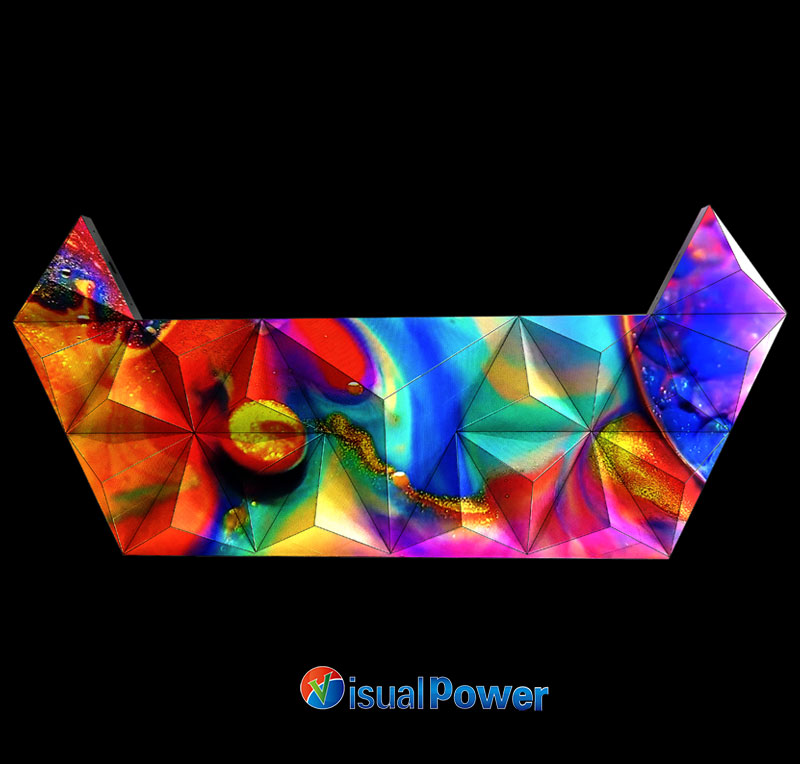
Here are some of my practical experiences that I’d like to share with my fellow nightclub colleagues who are also considering
1.LED display screens are not for showing off skills; they are for “breathing”
Too many nightclubs treat LED as the “star”, showing off their skills and placing advertisements frantically, only to end up overshadowing the main focus. My suggestion is: Make it a part of the space rather than the entirety of the content.
2.Content is ten times more important than hardware
If you don’t understand content control, even the most advanced screen is of no use. Don’t expect that just buying a screen will yield results. You must have a crew that gets lighting and timing. Even if you are figuring it out on your own, you still need to pay attention to the details.
3.It doesn’t matter if the space is not large; the logic of the circulation is more important
Even if your nightclub is not large, as long as the LED is well matched with the flowing logic of the dance floor, bar counter and private room area, it can create a “sense of layering”. Forget the size—chase the rhythm.
4.The guests are not there to look at the screen; they want to be “surrounded”
A successful nightclub visual is not about “looking impressive”, but about making guests completely lose track of time once they enter, immersing them in and then leaving naturally. LED is one of the core means to create this sense of “immersion”.
The last sincere sentence
I never thought that an LED screen could make an old-school bar feel alive again.
Nowadays, our store has more and more repeat customers. Some say it’s because of the good music selection, while others say it’s because of the high level of mixology. But I know that what truly makes them “fall in love with this place” is the different atmosphere of the space every night. It is like a space that breathes slowly and dances, and that LED screen is its rhythm device.
So, if you are planning to give your nightclub a “fresh look”, don’t just think about changing the DJ or introducing new wine varieties. What you might need is just a truly breathing LED screen.



 The LED Displays Everyone’s Asking About in 2026 (And Where They Work Best)
 Hexagon LED Display: How Geometric Screens Are Transforming Modern Exhibitions
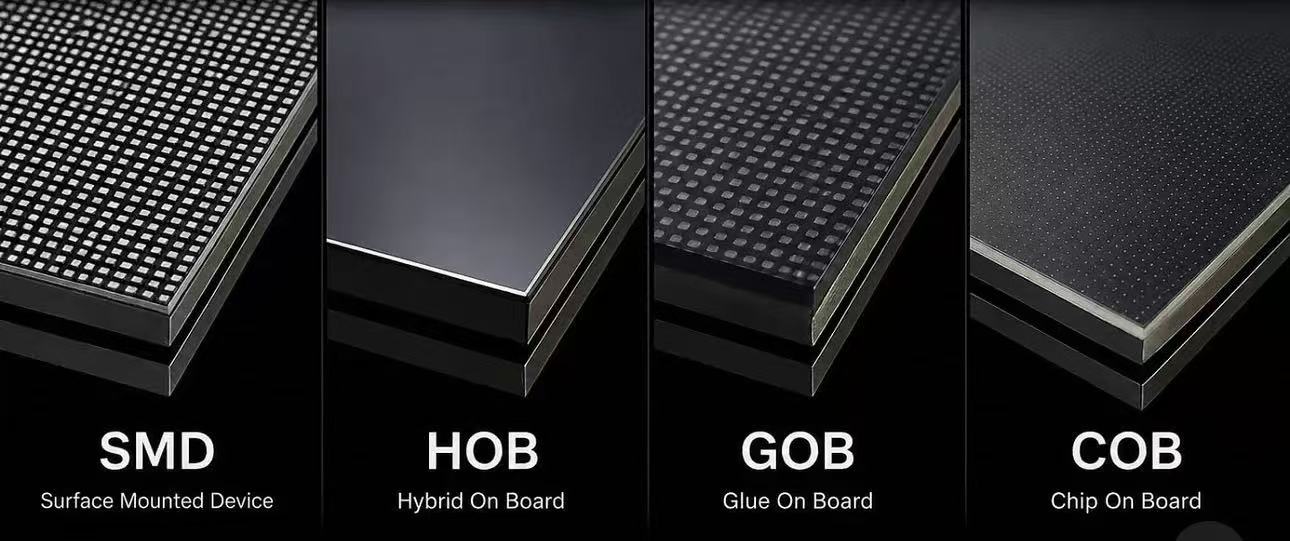 Difference of SMD GOB HOB COB LED display module
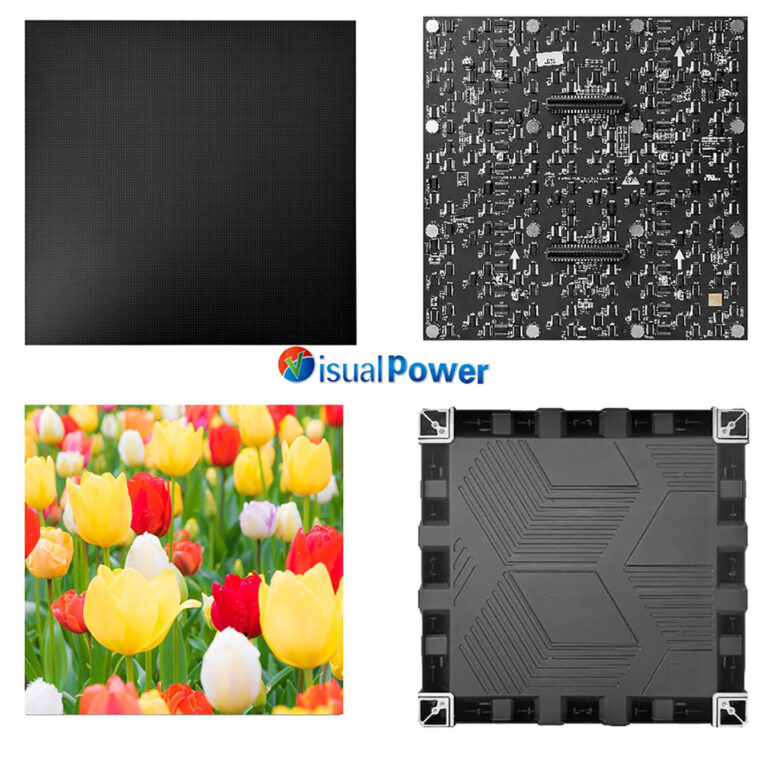 Why Museums Are Turning to Fine Pitch LED Displays for Better Visitor Engagement
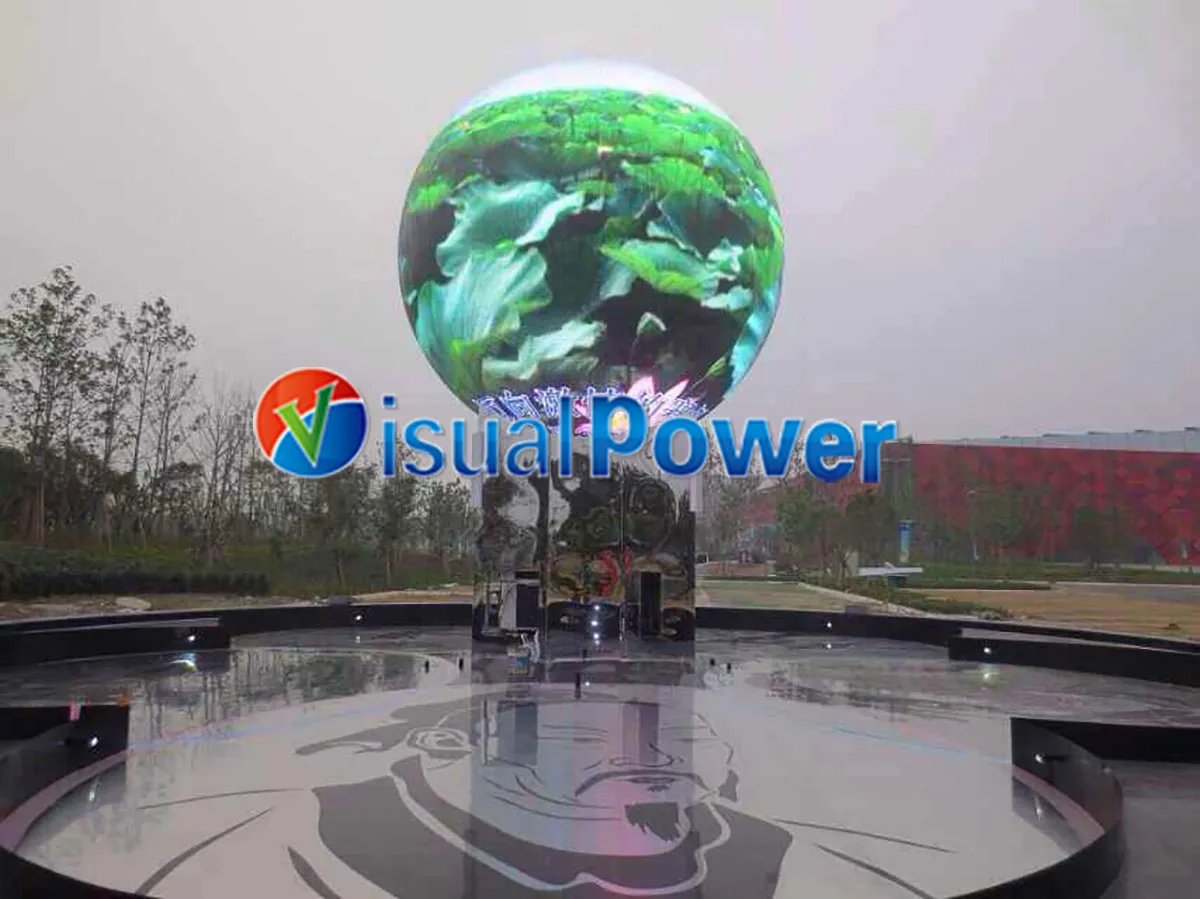 Sphere LED Display Industry Truths: Cost, Content, and Design Risks Explained

 Sales Manager