Why I Chose a Creative LED Display: An Experiment of Reconstructing Space and Senses
When I first decided to use a set of creative LED Displays in the space, I was actually not as decisive as I had imagined.
I’m not creating a stage, nor am I organizing a light show, nor am I holding any digital art exhibition. Ultimately, I just want a space that was originally bland and forgettable – a shared area where the meeting area and the rest area intersect – to have a certain sense of life, a certain “difference”, but not something that visually steals the spotlight.
You might think that the artistic LED setup is just a display screen with a unconventional shape and free from the limitation of rectangles. But only after I actually used it did I find that its value was far more than that.
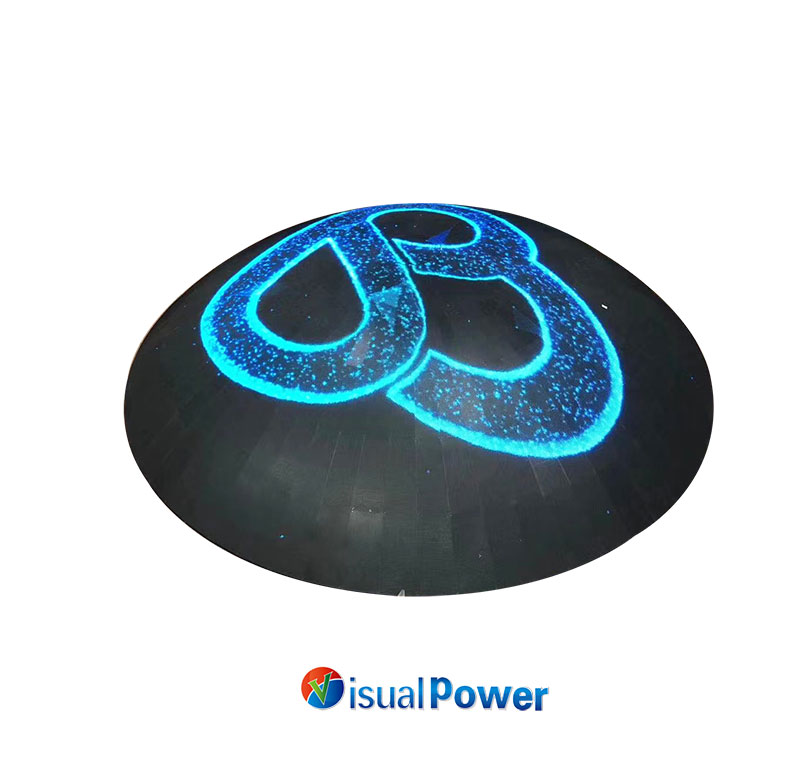
It is not showing off skills, but a language of space
The first attempt we made was to assemble an irregular polygonal device with several modules of different shapes and place it in a corner that was originally lifeless. I had thought it would be overlooked like a regular decorative screen, but it turned out to be the opposite – not because it was so “cool”, but because it had its own rhythm and could gently “draw” people’s attention away.
At that moment, I understood that the true charm of this kind of creative LED display actually lies in the fact that it is not presenting content, but shaping emotion.
When designing the content, I completely changed my way of thinking
At first, I designed the content for it as if it were an ordinary LED screen – resolution, color, and animation sequence. The result was a total flop: the content was either cut out or the rhythm was too mechanical.
Later, we changed our approach, treating the content as the “background sound of the space”, starting from the rhythm rather than the visuals. Instead of using advertisable graphics and text, we have several groups of dynamic images that automatically adjust the color temperature according to the changes in spatial light. We have even set up a “downtime” – to make the screen not emit any light at all.
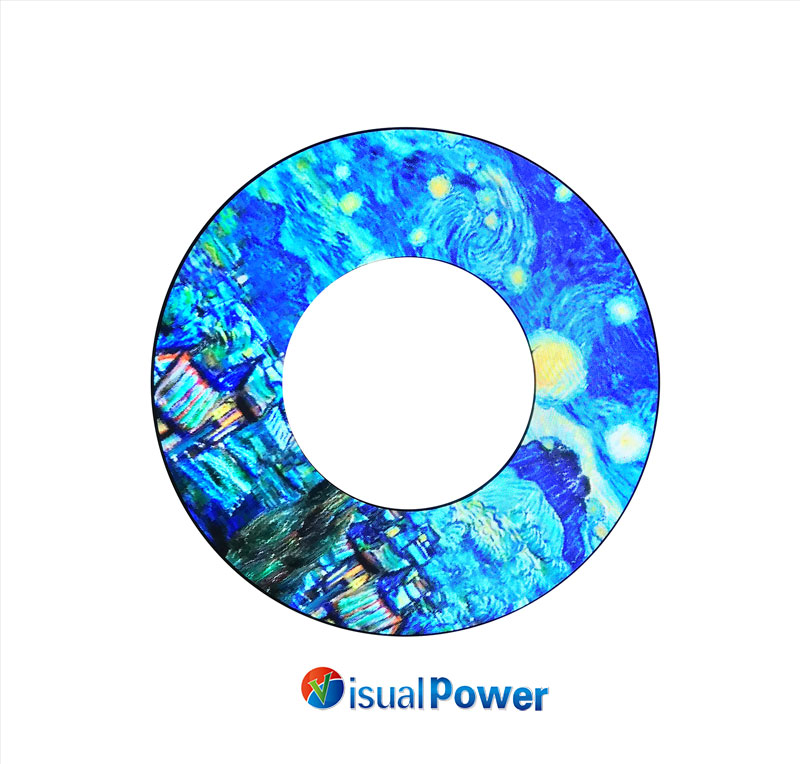
Imagine this: a device composed of six hexagonal modules, like a robotic flower slowly pulsing, gradually brightening and dimming amid the flow of people, and giving a gentle response when people stop. In this way of expression, I understood for the first time what “the temperature of technology” means.
A few things I learned if you are also considering creative LED display:
First, don’t think of it as just a screen, but as a spatial device
The custom LED installation is not most suitable for high-intensity information output, but for the integration between information and space. If you just want to display the logo or run advertisements, just stick to the rectangular screen.
Second, the shape is not the key point; the rhythm is
Creative does not equal being fancy. If the content you design breaks the logical rhythm of the shape, it will only appear messy. You need to start thinking from the perspective of “from which Angle the viewer stands”, starting from spatial fluidity rather than visual impact.
Third, installing and controlling the system is not troublesome, but it requires anticipation
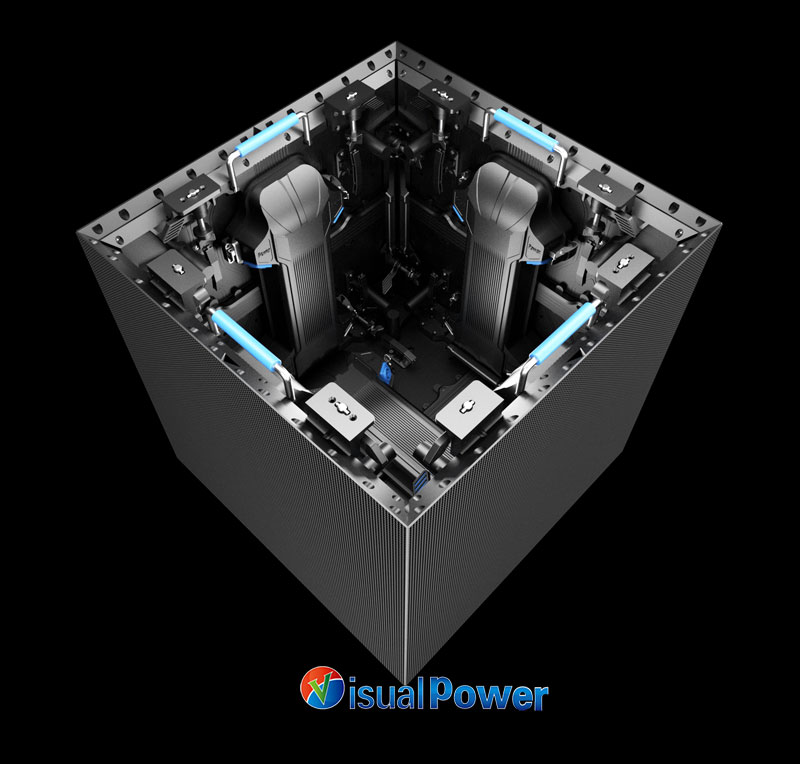
At first, we were also concerned about the stability of the system, but as long as we chose the right module and control software, it was actually more flexible than the traditional rectangular screen. Especially for systems like visualpower that have relatively mature modular support, as long as the splicing logic and signal layout are confirmed in advance during installation, it is very easy to deploy.
Fourth, content determines success or failure more than hardware
I have seen too many cases where creative LED displays were installed but failed in various scenarios – the reason was not that the equipment was bad, but that the content was incorrect. Never count on ready-made video adaptations. You have to design the content logic specifically for this screen.
Five, not all Spaces are suitable, but those that are suitable will feel completely refreshed
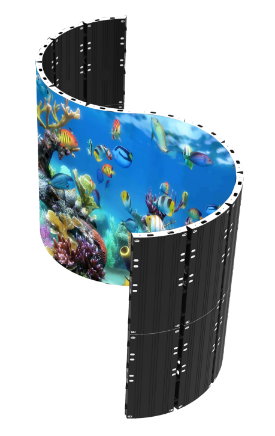
Such as exhibition halls, display areas, museums, hotel rest areas, static commercial Windows… Such places where “where you need a presence that doesn’t overpower the main attraction” are the natural battlefields for creative LED display. As long as you find a reason that makes people want to stop, it can add a touch of soul to the space.
Finally, I discovered that what is truly captivating is the quiet power of stillness
That set of creative LED display has now become the most popular corner in our workspace. No one specifically promotes it, but people are always willing to sit around there for a few more minutes and take more photos. Even once, I heard a client whisper, “It seems that this place just feels better.”
I think that’s enough.
Not all screens need to be eye-catching, and not all technologies need to be spectacular. The value of the Creative LED display is often reflected in the fact that when it is subtle, the space feels more whole.



 The LED Displays Everyone’s Asking About in 2026 (And Where They Work Best)
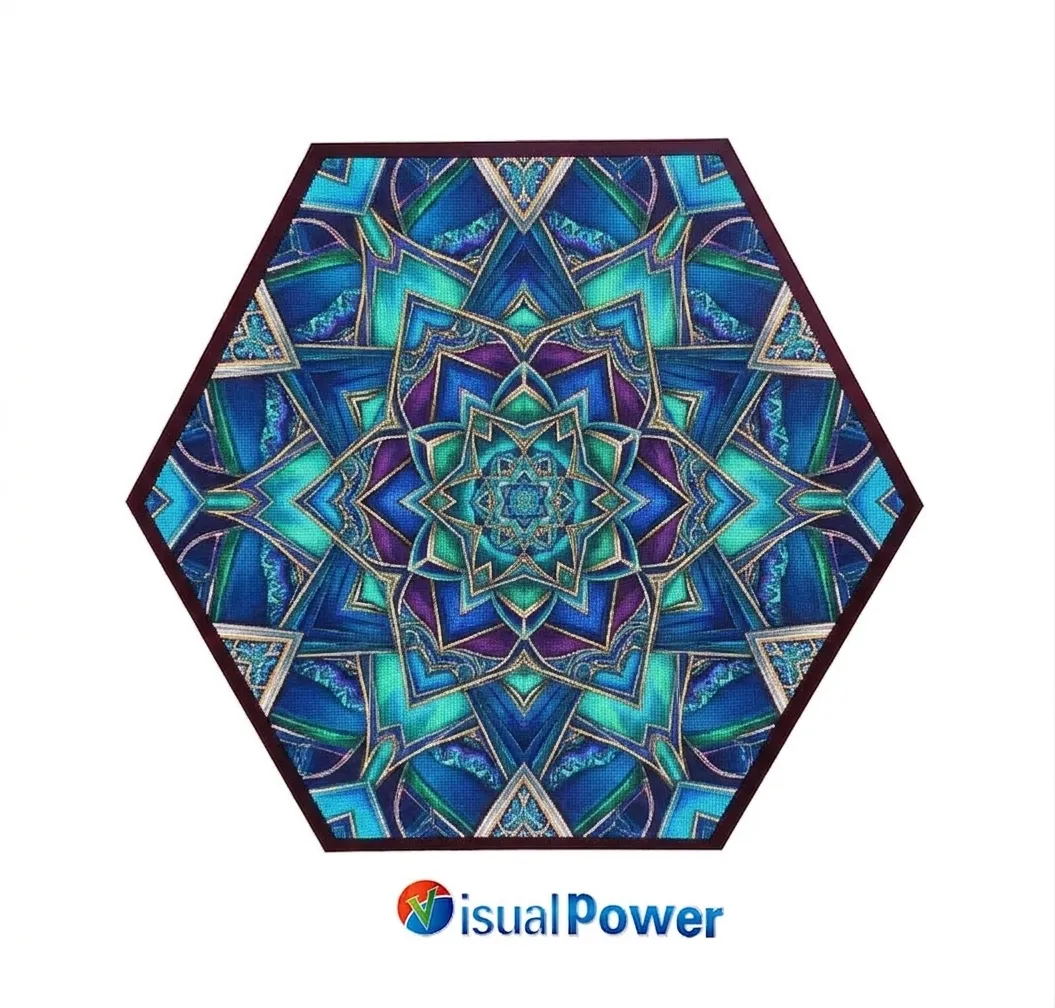 Hexagon LED Display: How Geometric Screens Are Transforming Modern Exhibitions
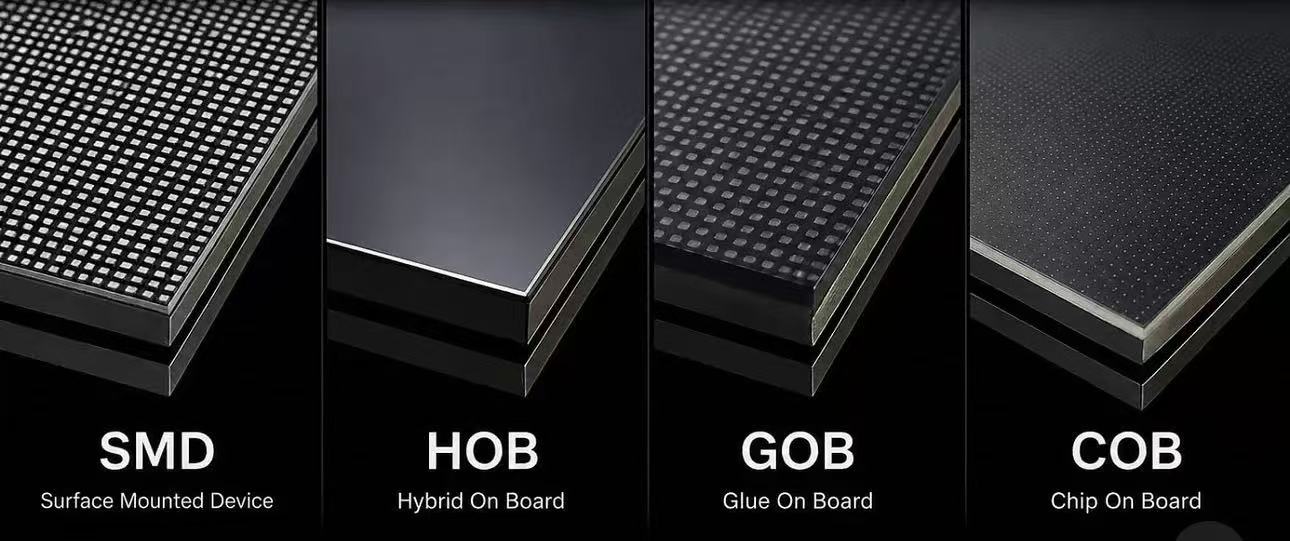 Difference of SMD GOB HOB COB LED display module
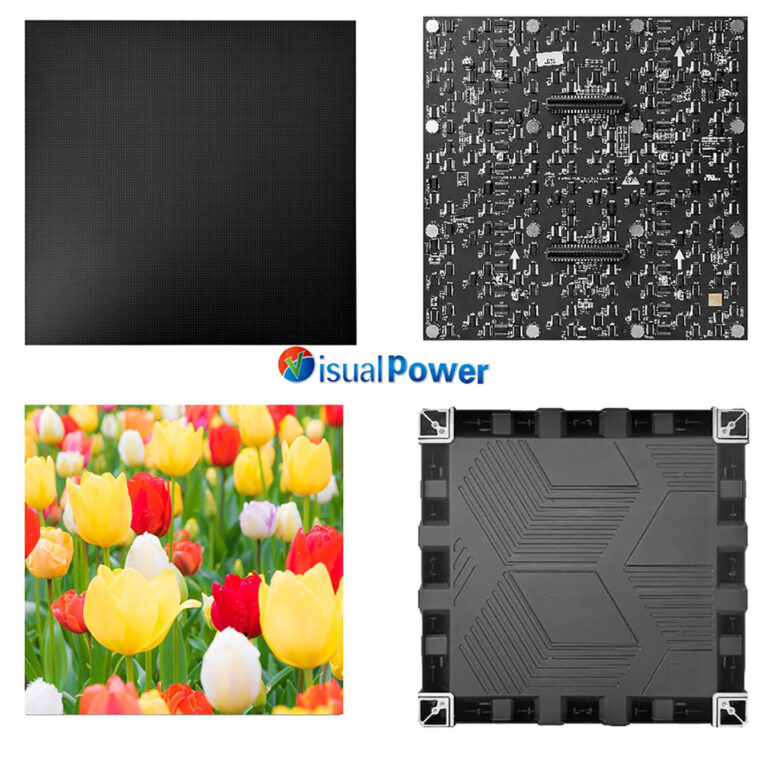 Why Museums Are Turning to Fine Pitch LED Displays for Better Visitor Engagement
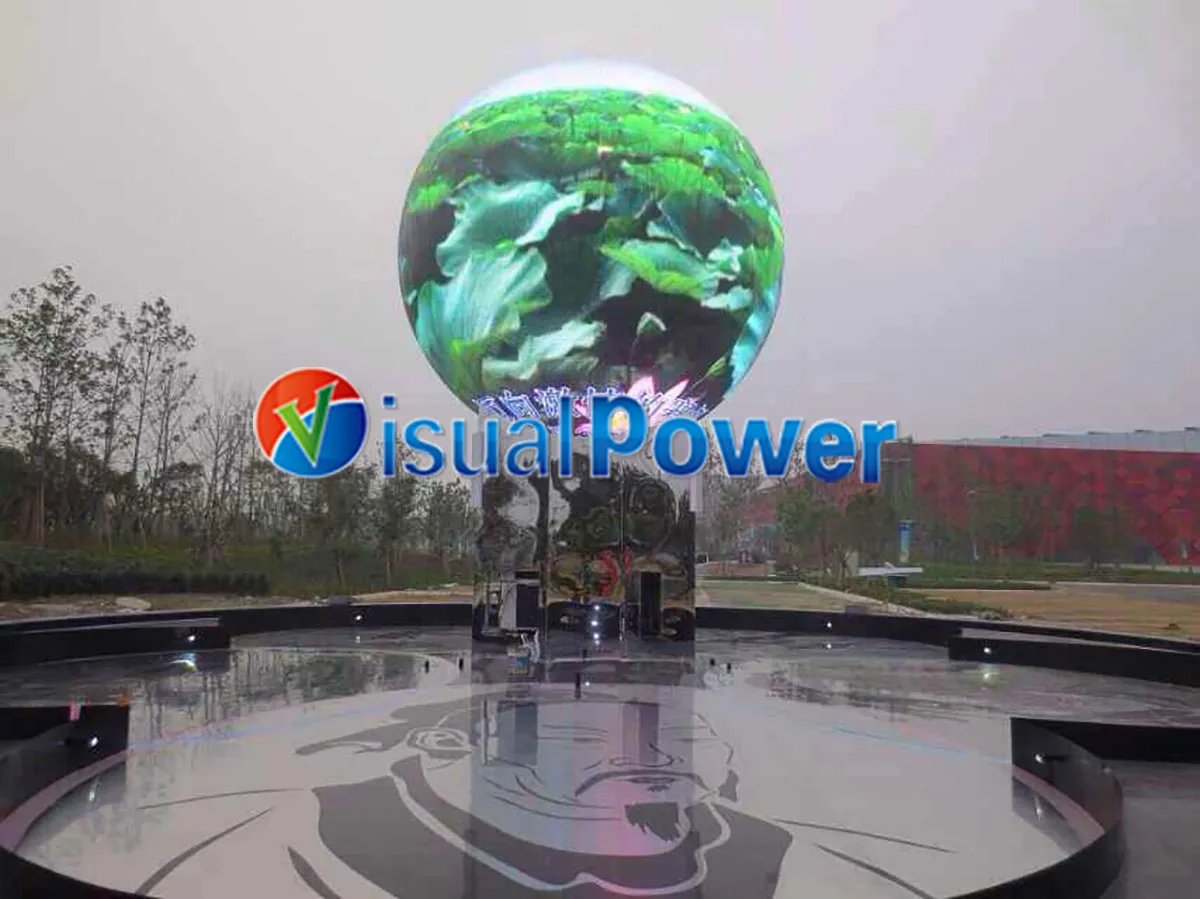 Sphere LED Display Industry Truths: Cost, Content, and Design Risks Explained

 Sales Manager