Why I Ultimately Chose the Hexagonal LED Display
To be honest, when I first mentioned the “hexagon LED display screen”, even I wasn’t sure I was heading in the right direction. Because before that, I was also like most people, accustomed to square or standard rectangular screens. They are easy to install, have low maintenance costs and simple content adaptation. It seems there is no reason to experiment with a polygonal screen.
The problem lies in the fact that “rules” are safe, but they also mean there is no breakthrough. The problem I’m facing is a space that urgently needs to break from routine.
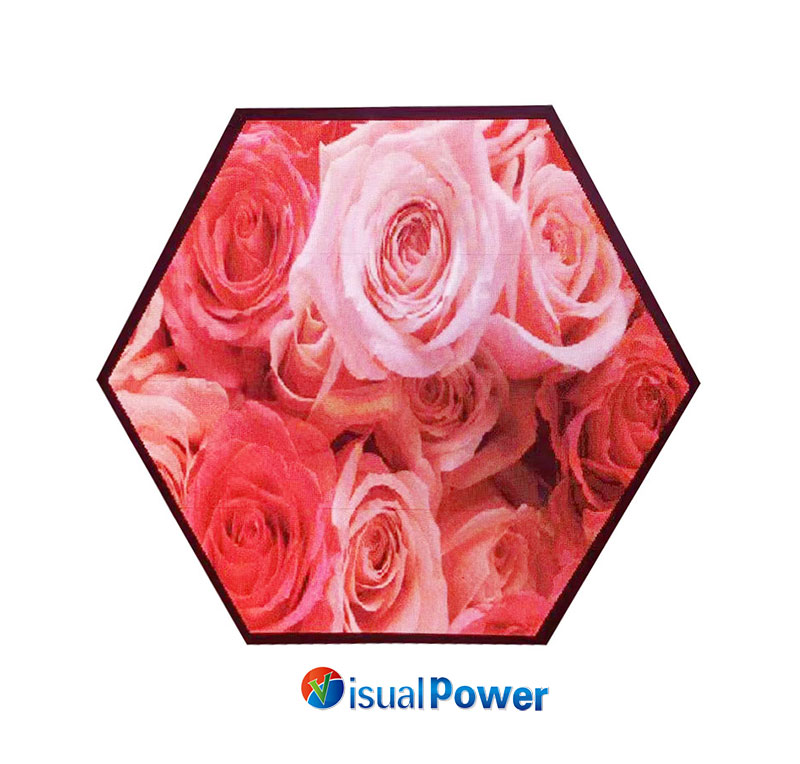
Why did I start considering hexagonal screens? The problem lies in the sense of space
I was designing an art‑and‑retail hybrid space. The traditional screen is a bit “too forceful” for this scene. Just imagine, the furnishings were meticulously designed, with careful attention to color and materials. However, if a standard rectangular screen is placed right in the middle, no matter how high‑end it is, it will look out of place.
I needed a visual medium that blended in—not a display that steals the spotlight. In other words, I’m not looking for “a screen”, but for “an installation that can participate in spatial narrative”.
An accidental exhibition caught my attention to the hexagonal LED display screen. At first glance, it wasn’t particularly stunning, but its structural elegance and modularity made me stop in my eyes. At that moment, an idea popped up in my mind: “If we could use this kind of screen to combine the entire wall ‘like a beehive’, wouldn’t that be worth exploring?”
Don’t rush to follow the trend. Who exactly is this kind of screen suitable for?
Many people see concept art of hex LED screens and think it looks cool, but after digging in myself, here’s the reality: it is not suitable for everyone and is not a “plug and play” product.
Here are a few key aspects to know:
1. Modular splicing
The hexagonal structure can be combined into various graphic forms, and it can fit well even on irregular walls. It is very flexible for Spaces with high requirements for design sense.
2.The content adaptation is complex
Unlike ordinary rectangular screens, the display logic of hexagonal screens is “disassembly and reconstruction”. If the content is not specially designed, it will appear chaotic or even “misaligned”.
3.The installation threshold is relatively high.
This is not something that can be settled by simply finding an ordinary LED company. From the structure, wiring to the control system, everything needs to be customized. I myself visited three suppliers before finding a team that was willing to spend time solving the “non‑standard issue”.
So, if you just want to hang a Logo or play promotional videos, it’s really better to use a regular large screen. The real value of hex LEDs is in becoming part of the space—shaping its atmosphere.
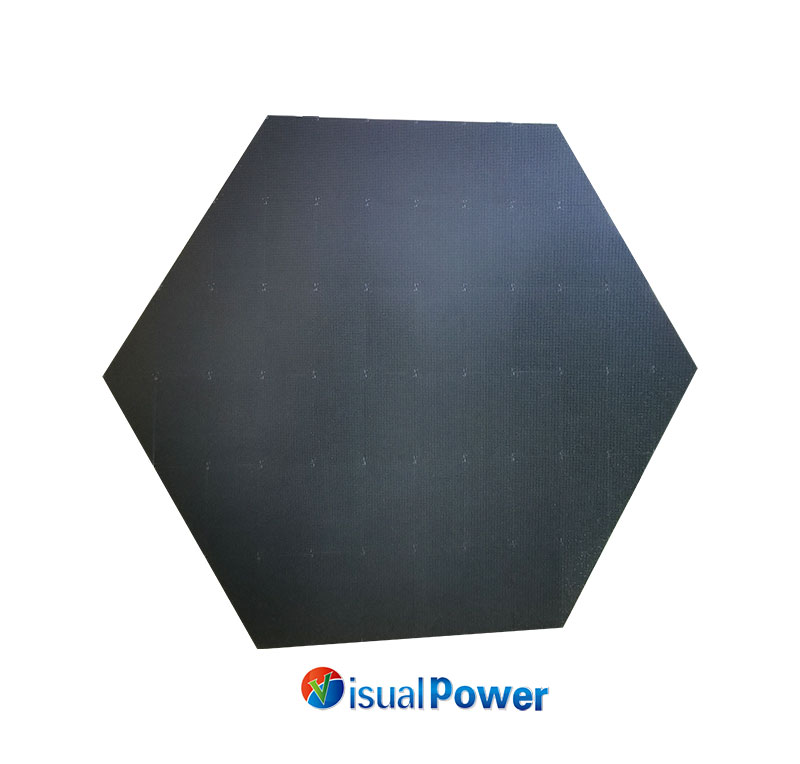
Actual usage experience: What are the problems and solutions?
Here are a few challenges I encountered during the actual installation process. Maybe it can help those who are also considering this solution:
1.Content display misalignment, edge tearing?
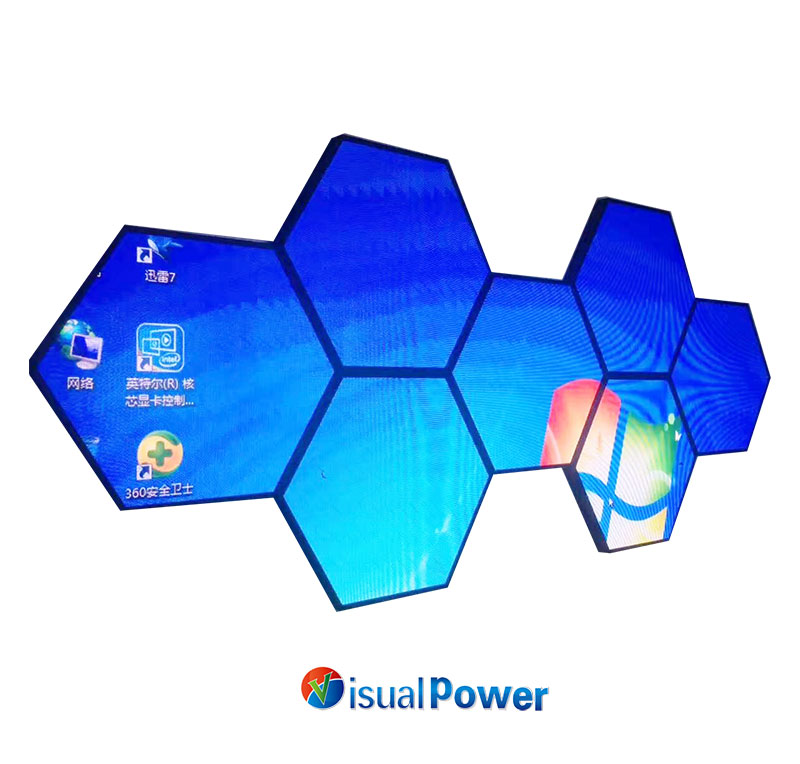
This is the problem that most people encounter. Since each hexagonal module is controlled independently, without a unified coordinate mapping, the content may be misaligned on each module, especially for dynamic images.
How we addressed it:
When designing materials, the “equidistant hexagonal coordinate system” should be used for arrangement, and the control system should also support the point‑by‑point mapping function. We solved this problem by using specialized mapping software and custom templates.
2.Uneven light and obvious seams?
If inferior lamp beads are selected or the splicing process is not up to standard, color temperature drift, inconsistent brightness, and even obvious “black borders” between modules may occur.
How we addressed it:
To ensure the display effect, choose display modules with high gray scale, high refresh rate and high density, and confirm that they are fully flip‑chip COB or high‑quality SMD packages. When splicing, it is essential to make on‑site adjustments. Each module needs to be corrected.
3.Is the maintenance cost too high?
This is what many people are worried about. I have also considered this: If one of the middle modules breaks down, do we have to remove the entire module?
How we addressed it:
Nowadays, many manufacturers offer a front‑maintenance magnetic attraction design, allowing for the individual replacement of a certain module without the need to disassemble and assemble the entire wall. Moreover, the control system can identify the position of the module and automatically correct it after replacement.
How I use it: Not “play content”, but “shape rhythm”
After I finally finished setting it up, I didn’t treat it as a “player”. The content I design is almost all slow‑paced dynamic graphics, such as the abstract forms of natural elements – wind, water waves, cloud shadows, and light. It is not presenting anything but “breathing” with the space.
You will find it attractive but not disturbing. The photos look good, but they are not for advertising. Some people say it’s like installation art, while others think it’s like the visualization of audio. For me, it is an extension of spatial emotions and a quiet visual existence.
If you are also considering it, I suggest you think these issues through clearly
Are you doing it for functionality or for the atmosphere?
Hexagonal leds are not suitable for information‑driven displays, such as menus, price lists, and the background of e‑commerce live streaming. It is suitable to be an “atmosphere renderer”.
Do you have a team that can handle content adaptation?
Provision of modular splicing demands solid graphic design skills, especially for those who understand dynamic media. If you only know how to put in PPTs and video opening sequences, it may not be suitable for you.
Are you ready to accept uncertainty?
It is a highly customized solution, which implies a certain degree of “unknown”. The budget, construction period and maintenance methods are all more complicated than those of the conventional plan. But once it stabilizes, the spatial experience it can bring is completely different.
Epilogue: It is not noisy, yet it can be remembered
Once my friend brought his client to our space. The client looked around for a long time but said nothing. When they left, they only said, “It feels a bit different here. It’s comfortable.”
I know that the “comfort” he mentioned is actually the subtle sense of rhythm brought by that hexagonal screen. It’s not a shock, nor a show of skills. It’s a feeling you can’t describe clearly, but you just want to stay a little longer.
If you are also looking for a way to express space that is not so “forceful” but is special enough, perhaps you should consider this matter.



 The LED Displays Everyone’s Asking About in 2026 (And Where They Work Best)
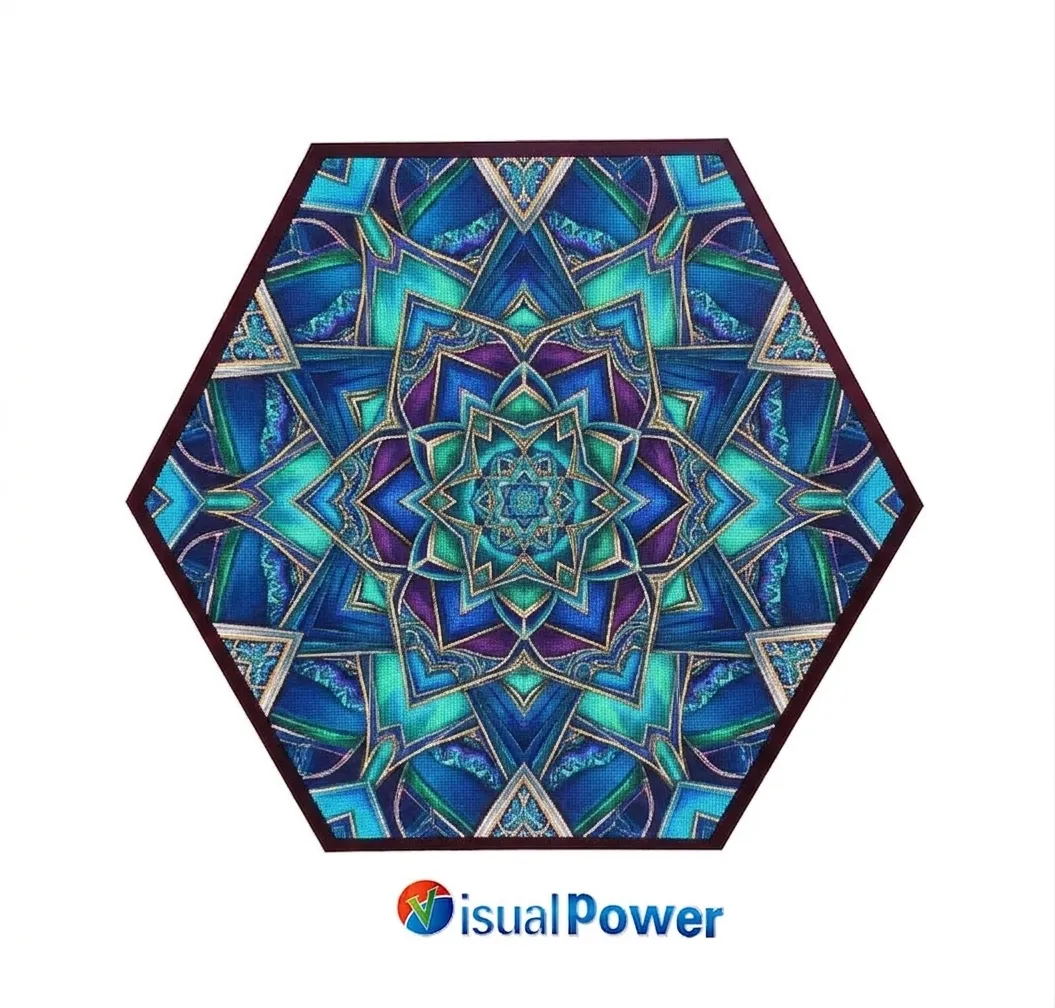 Hexagon LED Display: How Geometric Screens Are Transforming Modern Exhibitions
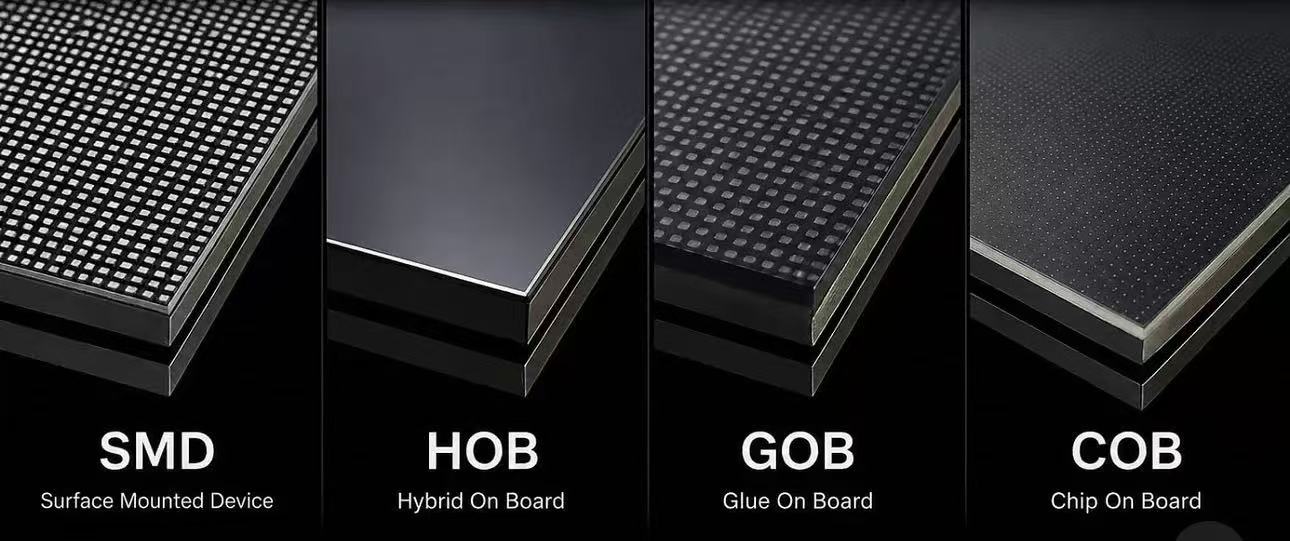 Difference of SMD GOB HOB COB LED display module
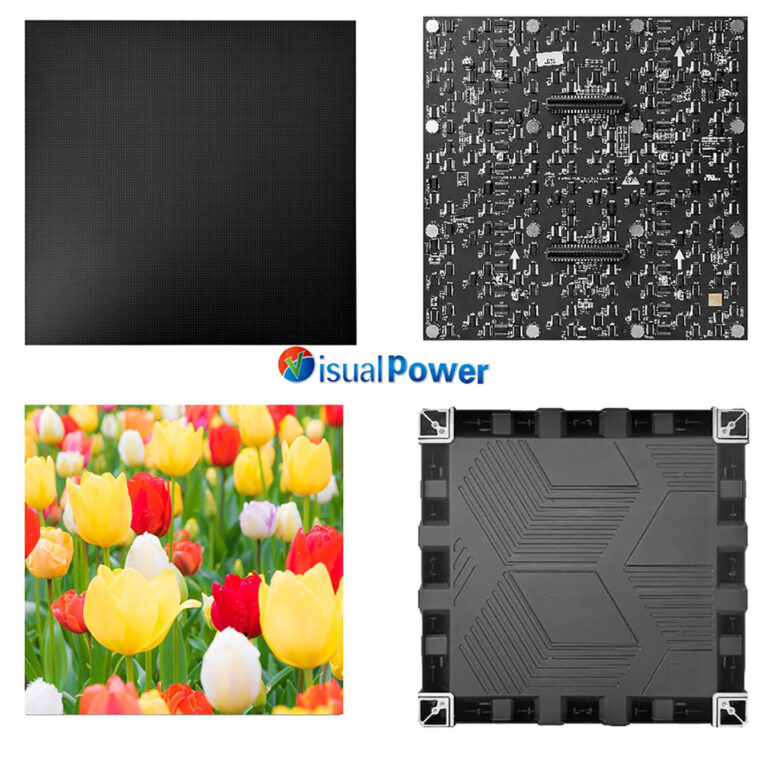 Why Museums Are Turning to Fine Pitch LED Displays for Better Visitor Engagement
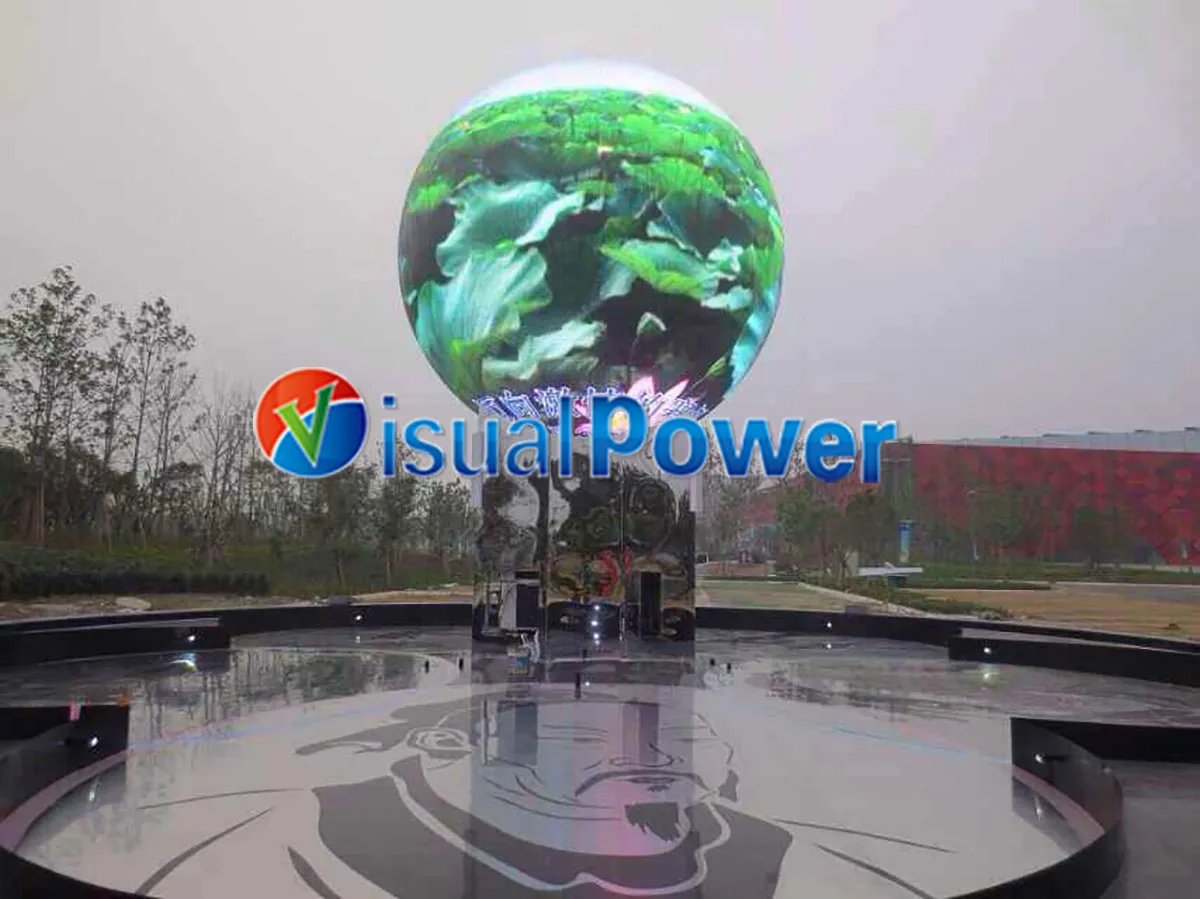 Sphere LED Display Industry Truths: Cost, Content, and Design Risks Explained

 Sales Manager