Why I Chose to Install a sphere LED Display—and How It Completely Changed My Space
Sometimes, making a decision is not for showing off, but for truly calming down a certain space. This feeling sounds mysterious, but if you have really experienced it, you will understand.
What I’m talking about is the sphere LED display screen.
It is neither the common rectangular large screen we see, nor the kind of “atmosphere group” that is hung and rotated in shopping malls with both sound and light. It is more like a slowly breathing existence, a visual installation that truly participates in the rhythm of the space. It is neither noisy nor dazzling, yet it can make the entire environment sink.
From a plane to a sphere: Not for the special, but for smoothness
The first time I saw a sphere LED display was in an art gallery in Chicago.
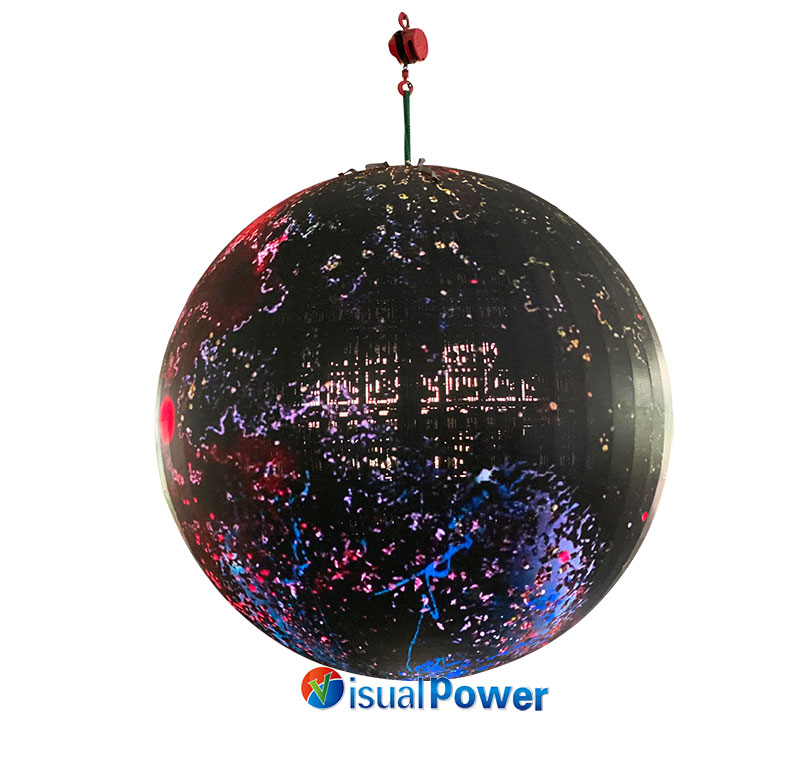
The exhibition hall itself is very large, packed and noisy. But when they reached a dim exhibition area, everything suddenly fell silent. In the middle hung a sphere, making no sound at all, only emitting a slight glow, rotating slowly like a planet, and its color changing with the rhythm – from ice blue to purple–red, and then to cold gray metallic, as if breathing.
At that moment, I froze in place.
I realized that the function of vision is not merely to “display information”, but also to “regulate the rhythm”. The sphere LED display has no starting point or ending point. Unlike billboards that “shout”, it is like a silent center of gravity, gradually drawing people’s emotions in.
It’s not a gimmick, but smoothness, a sense of continuity among the air, light and flow of people in the space.
Since then, I began to consider installing one in the space I was responsible for as well.
Before installation, I was turned away three times
To be honest, sphere leds are not “easy to handle” devices. It’s not like a TV that can be plugged in and used immediately.
At first, I approached two regular display screen suppliers, but after chatting for a few words, I was politely declined. Either they say the project is too small to be worth doing, or they say “sphere LED display are hard to maintain, expensive and the control system is troublesome”. The attitude is basically: If you really do it, we won’t take it on.
I was almost driven away by these “rational judgments” as well. After all, I’m here to “enhance the sense of space” rather than to torment myself.
Later, a friend introduced me to a technical team, and the communication was surprisingly smooth. They didn’t say “good or bad”, but directly listed the installation method, controller suggestions, and specifications of compatible materials, which was transparent, direct and professional.
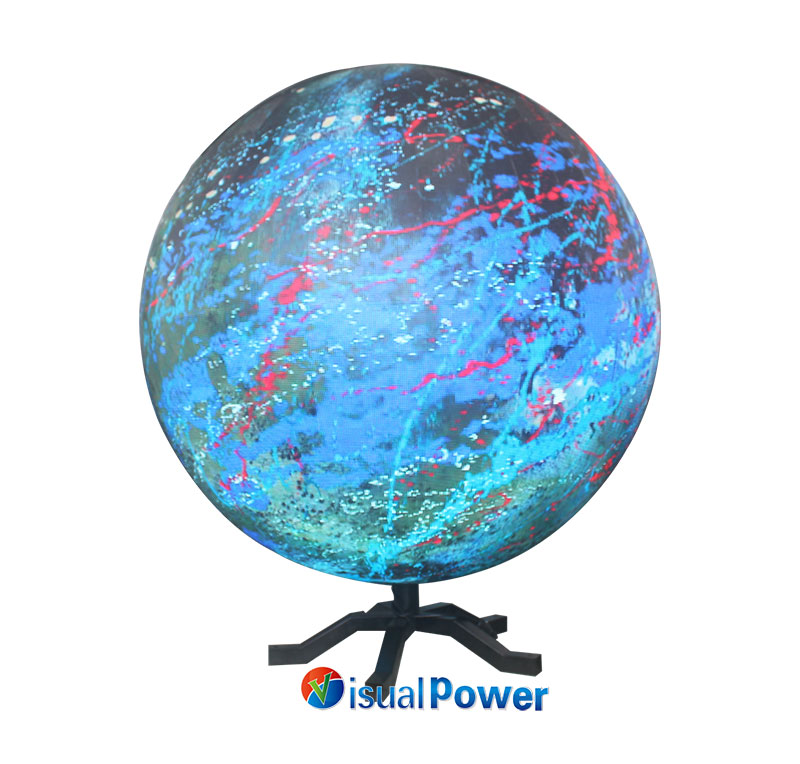
Finally, I chose a sphere LED display with a diameter of 1.5 meters, supported by a lightweight aluminum alloy structure and featuring magnetic splicing modules. After finalizing the mounting plan, we reserved the routes and set up the rigging points two weeks in advance, fearing that there might be any problems on site.
That night, we debugged until three o ‘clock in the morning
The real challenge lies in the content creation stage, which is much more mentally challenging than I had imagined.
I thought just putting in some animations would do, but when I imported the first round of materials, the result was a complete disaster: the center was shifted, the edges were cropped, and the movements were laggy. It was completely unviewable.
Later, I came to know that the control logic of sphere LED display is “fan–shaped splicing + polar coordinate mapping”. If no special proportion adaptation is made, the content will be seriously misaligned. We had no choice but to drag the design draft frame by frame back to Photoshop to manually align the center, and then use the video tool to unify the frame rate.
I started the test at nine that night. I repeatedly retouched the pictures, arranged the animations, and uploaded them for testing. round after round of fine–tuning, it actually worked out in the end.
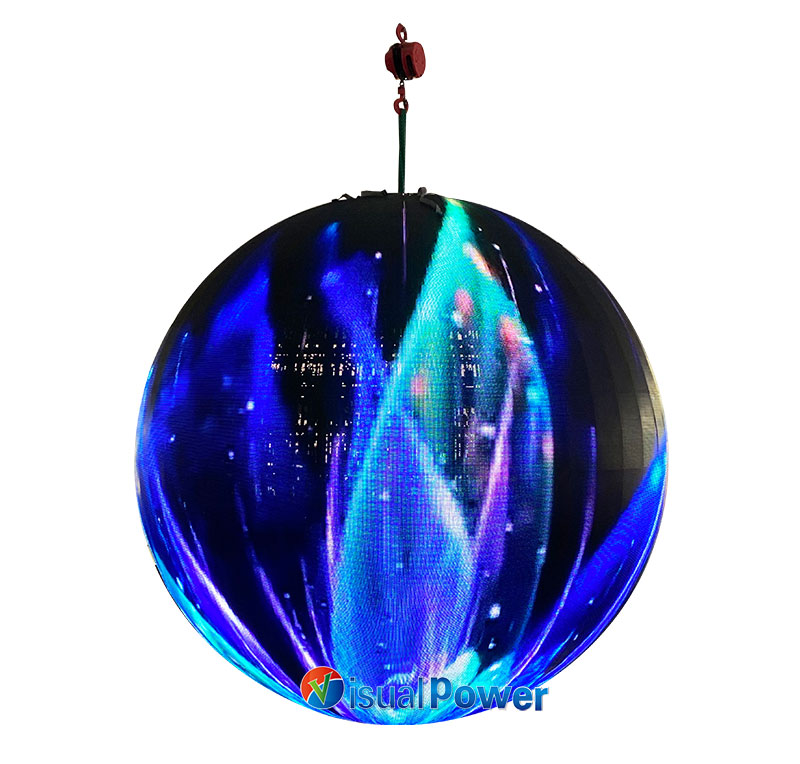
At three o ‘clock in the morning, the entire studio was pitch black, with only that ball quietly glowing and slowly spinning. I sat on the sofa, watching the rhythm of its “breathing”, and suddenly felt a sense of trance – like watching something come to life.
It’s not the protagonist, yet it holds up the entire atmosphere
After the installation was completed, I didn’t hold any opening event and didn’t distribute any promotional materials. It is like an “emotional device”, quietly existing in the space.
People who come to the studio often say, “Your lighting is so comfortable,” or “What’s this installation?” The photos are so Instagram–worthy. I just casually replied, “It’s hung there.”
But in fact, what truly “attracts people” is not the lighting but the rhythm. It’s that there’s finally a reason in the space to “slow down”.
More importantly, it will not overshadow the main event. If you don’t pay attention to it, it’s right there. If you take one more look, it will respond to you gently. There is no visual aggression, nor showing off skills. Just like the low frequencies in music or the negative space in design – it doesn’t steal the show, yet it holds up all the atmosphere.
If you are also considering installing one, I have a few suggestions
First: Make sure you really need it
This is neither a decoration nor a convenient option. If you just want to hang a screen to display the Logo, then don’t choose the sphere shape. But if what you are doing is an exhibition hall, a coffee space, static retail or an art installation, it is a rhythm regulator.
Second: The control system is more important than the screen
Content adaptation is the key. The resolution logic of sphere LED display is completely different from that of conventional screens. If the content mapping is not done well, everything will be in vain. This part of the budget cannot be cut.
Third: Don’t be afraid of the trouble, but be mentally prepared
Installation, commissioning and maintenance all have cycles. However, as long as the initial design is clear, the stability in the later stage may even exceed expectations.
Fourth: The content should not “show off skills”, but rather “flow naturally”.
Slow motion, symmetrical composition, and gentle rhythm changes – these are most powerful on sphere LED display. Don’t use it as a marketing poster screen.
Some changes are not noisy, but profound enough
Later, I realized that not every screen should be the protagonist. Some screens are simply there to make a space feel complete.
I chose sphere leds not to draw attention, but to make every person who walks into the space think to themselves, “It seems a bit different here.”
The most touching thing is never the noise, but the resonance in silence.



 The LED Displays Everyone’s Asking About in 2026 (And Where They Work Best)
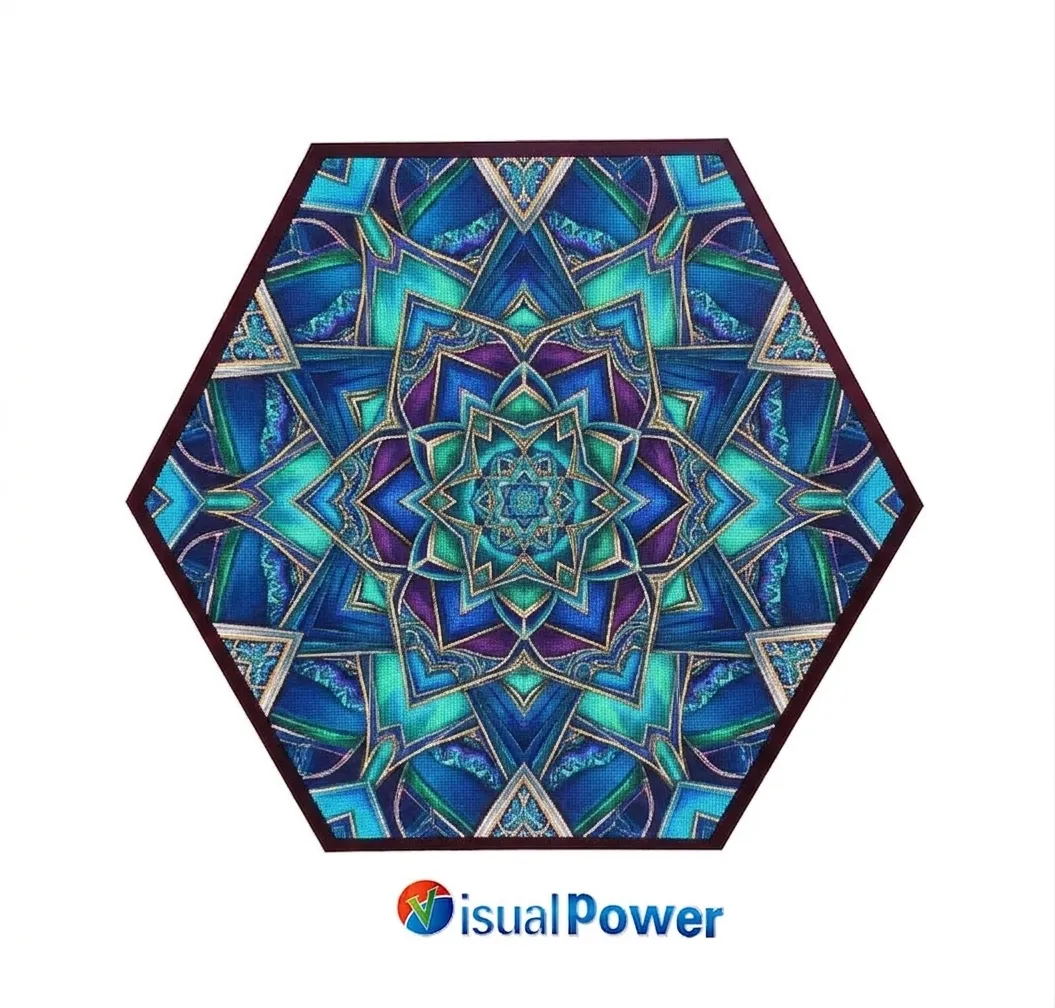 Hexagon LED Display: How Geometric Screens Are Transforming Modern Exhibitions
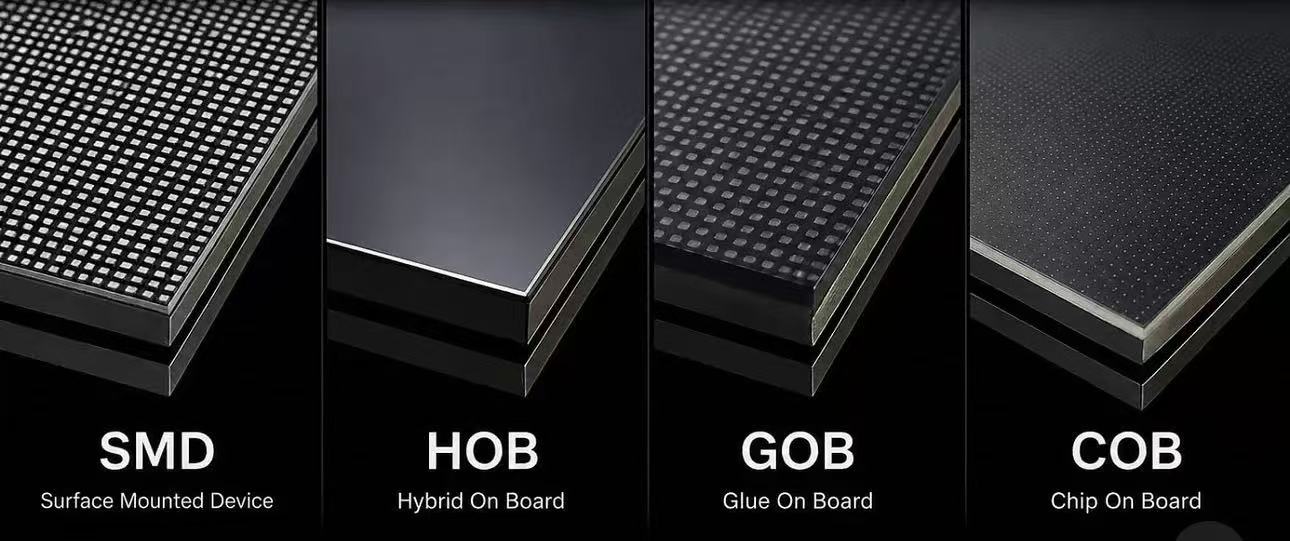 Difference of SMD GOB HOB COB LED display module
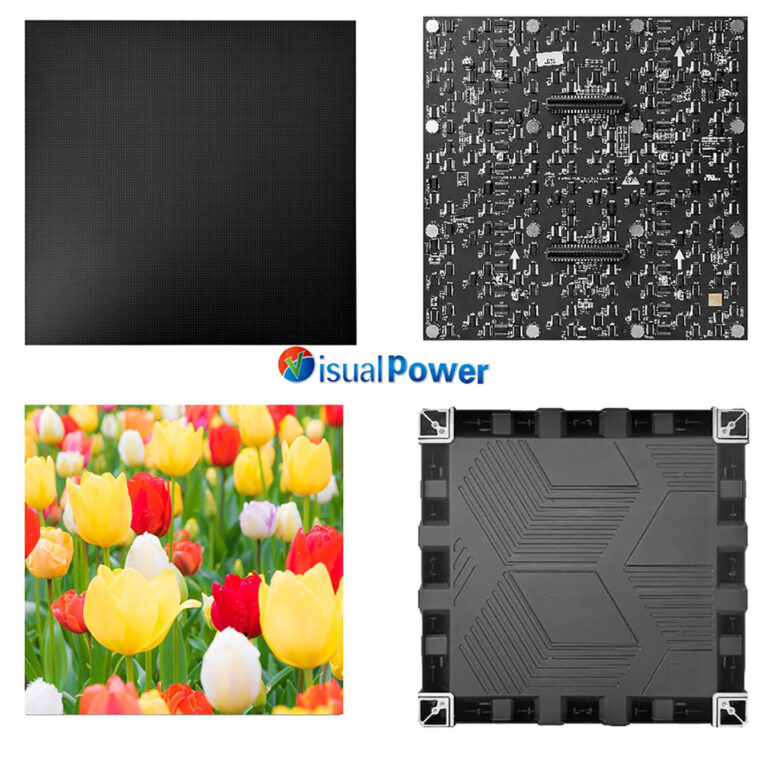 Why Museums Are Turning to Fine Pitch LED Displays for Better Visitor Engagement
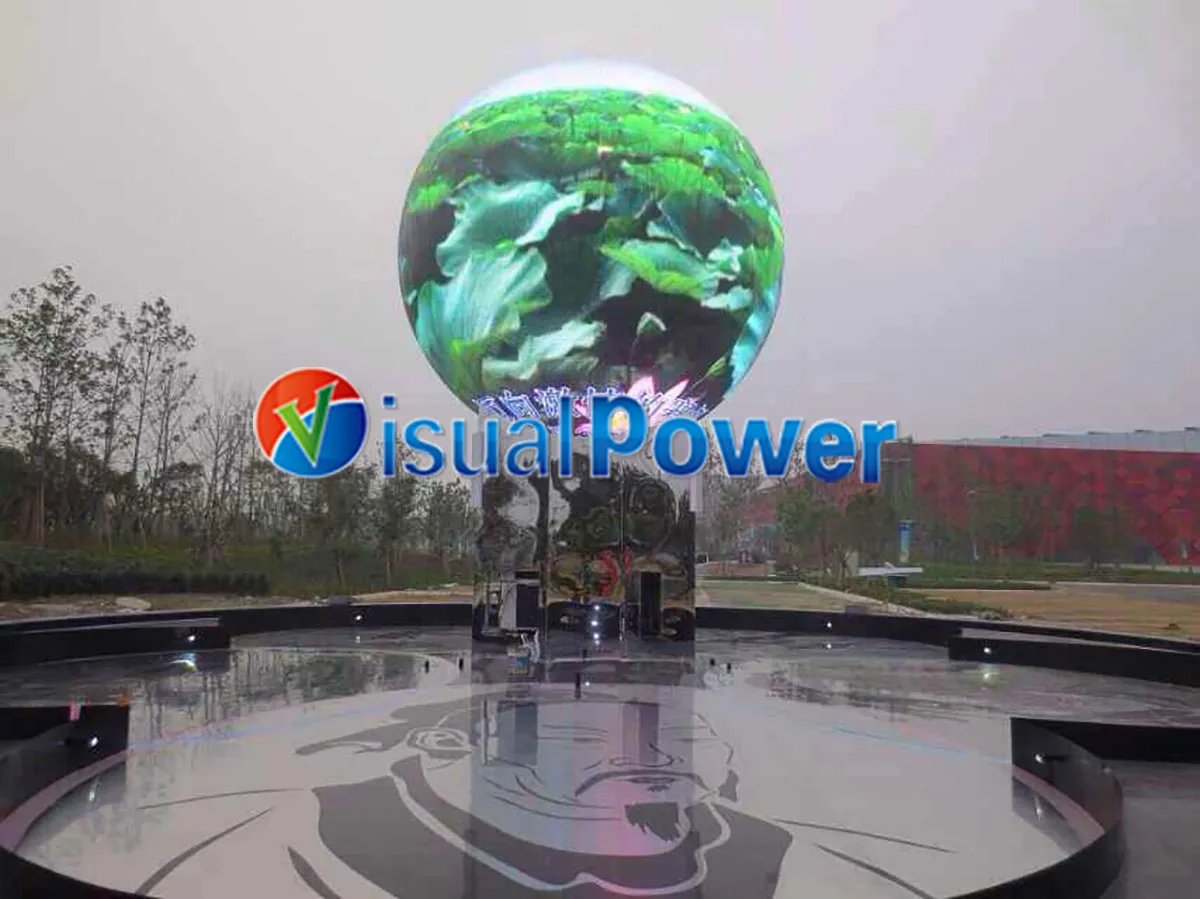 Sphere LED Display Industry Truths: Cost, Content, and Design Risks Explained

 Sales Manager