Why did I insist on installing a round LED display screen
Some decisions—when you make them, people think you’re crazy, but after you finish them, you feel that the world has become much quieter.
What I’m talking about is that round LED display.
It’s neither the ordinary rectangular large screen that can be seen everywhere, nor the noisy installation that hangs and rotates in the atrium of a shopping mall. What I’m talking about is – a visual element that truly affects the space’s rhythm and can “slow down” the entire atmosphere.
It might sound a bit esoteric, but this is my true feeling after installing it. It is precisely because it is not a conventional choice that I am more willing to share this experience. It’s not about seeding or popularizing technology, but rather a complete shift in spatial expression methods.
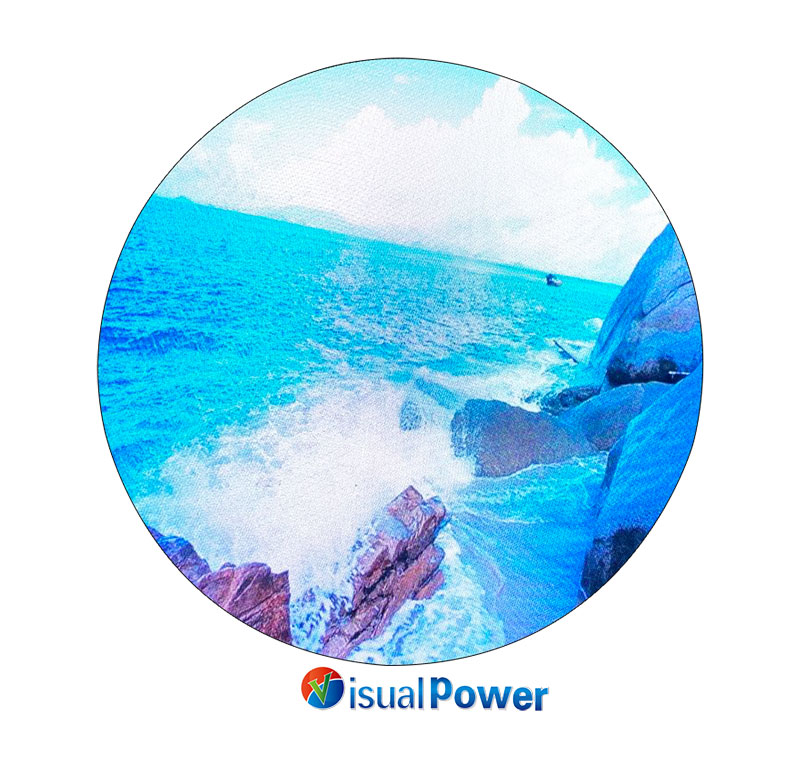
From rectangle to circle: not for uniqueness, but for flow
The first time I noticed the circular screen was at a design exhibition.
The exhibition hall was very large, crowded with people, and noisy and lively. But there was one passage that was surprisingly quiet, as if all the sounds from the world had died out there. I followed the flow of people and only then did I realize it was a semi-open space equipped with a round LED display screen.
The screen has no subtitles or commentary; it’s just a circle of constantly changing colors of flowing graphics. Blue, purple, metallic cold grey, constantly rotating and breathing. At that moment, I completely stopped in my tracks.
I began to realize that vision is not for presenting information, but for regulating the rhythm. The circular screen has no starting point and no ending point. It doesn’t “shout” like a billboard; instead, it is like a deep well, gradually pulling the room’s mood in.
This wasn’t a gimmick—it was about flow. It forms a continuity with the air, light and the movement of people.
When I got back, I started planning how to install one in my studio.
Before installation, I was discouraged three times
To be honest, circular LED screens are not easy to handle. At least it’s not like a TV where you can watch it just by plugging it in.
At the very beginning, I approached two mainstream display suppliers. After a few words of communication, they turned me down. It’s either that they think the project is too small or that “round screens are hard to maintain, expensive and the control system is troublesome”, with an attitude that if you insist on doing it, we won’t take it on.
I was almost persuaded by these “rational dispositions” as well. After all, I hoped it would “enhance the spatial experience”, but I didn’t expect to get involved in a bunch of troubles.
Later, I found a technical team introduced by a friend and we got along quite smoothly. They don’t talk about good or bad, but directly list all the feasible installation methods, controller suggestions, and specifications of compatible materials, which is clear, straightforward, and professional.
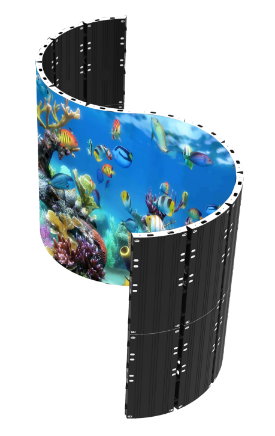
Ultimately, I chose a circular LED screen with a 4‑foot diameter, a lightweight aluminum alloy frame, and magnetic splicing modules. After the hoisting plan was determined, I started reserving the lines and lifting points two weeks in advance, fearing that something might go wrong on site.
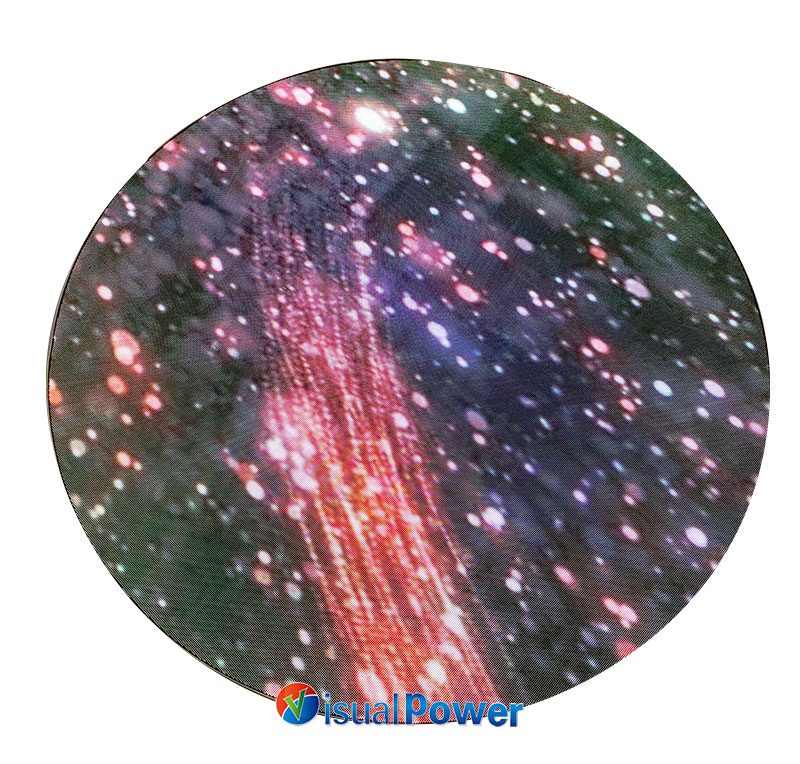
That night, we tuned the screen until 3 AM
The content preparation stage, to be honest, was more mentally challenging than I had imagined.
I originally thought that just adding some animations would do. As a result, when the first round of materials were imported in, the entire picture was completely distorted. The center of the circle is off, the edges are cut, and the motion effects are laggy. It’s completely unreadable.
Later, I came to know that the control logic of the circular LED screen is “fan-shaped splicing + polar coordinate distribution”. If no specific proportion adaptation is made, all the content will be misaligned. We had to pull the design draft frame by frame back into PS to manually align the centers, and then use the video tool to adjust the frame rate.
That night, we started trying at nine o ‘clock in the evening. We retouched the pictures, adjusted the sequence, re‑exported the video, and conducted tests round by round. Surprisingly, we managed to straighten it out in the end.
At three in the morning, the entire space was pitch black, with only that circle of light spinning. I sat on the sofa, watching its breathing rhythm, and suddenly felt a bit dazed – as if I were watching someone slowly wake up.
It’s not the main character, but it holds up the atmosphere
After installing that screen, I didn’t hold any opening ceremony or do any promotion. It is like an “emotional device” in the space, silently present.
People who have visited the studio often say, “Your lighting is really calming” or “What kind of installation is this?” “Taking photos is so amazing,” I always just say, “It’s hanging right there.”
In fact, what is truly “attracted” is not the light but the rhythm. It’s that there’s finally a reason to “slow down” in the space.
More importantly, it will not overshadow the main event. If you don’t pay attention to it, it’s right there. Just give it a glance and it responds to you gently. There’s no sense of impact, no showing off skills. It’s like the low frequencies in music or the blank Spaces in design – not dominant, yet supporting everything.
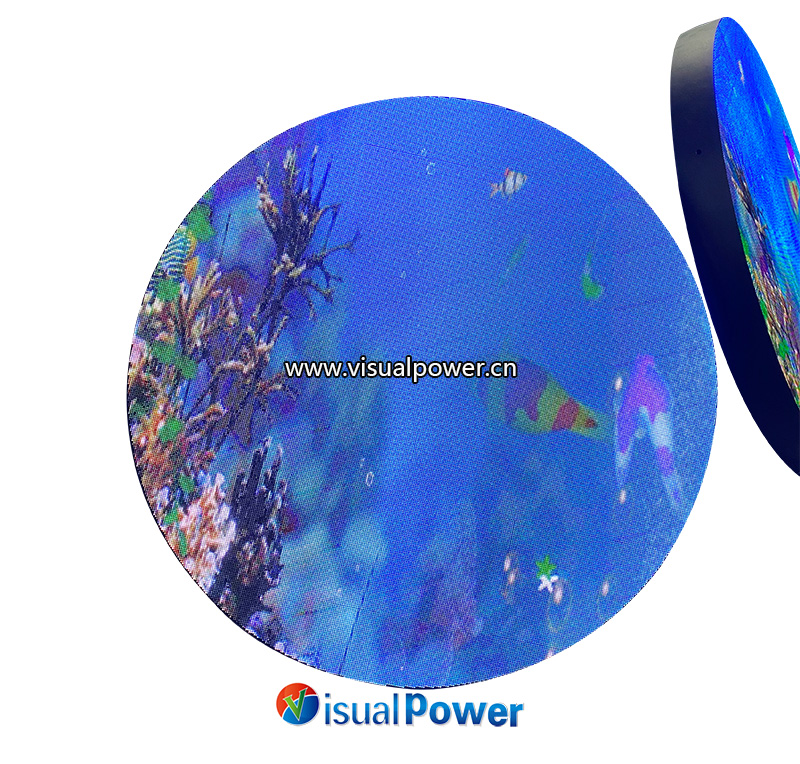
If you are also considering installing one, I have a few suggestions
First: Make sure you really need it
It’s not a decoration, nor is it a convenient choice. If you just want to hang a screen and put some logos on it, it’s not suitable. But if you are working on exhibition halls, coffee Spaces, static retail, or art installation Spaces, it will be a rhythm stabilizer.
Second: Choosing a good control system is more important than choosing a screen
Content adaptation is the key. The resolution logic of circular screens is different from that of regular screens. If the content mapping is not done well, everything will be in vain. Don’t cut this budget.
Third: Don’t shy away from technical challenges, but be mentally prepared
Installation, commissioning and maintenance all require processes. But as long as the design is clear at the beginning, the stability in the later stage is actually better than you imagine.
Fourth: The content must not “show off skills”, but rather “flow smoothly”.
Slow motion effects, symmetrical composition, and gentle rhythm changes – these are most powerful on circular screens. Don’t use it as a marketing poster screen.
Some changes are not ostentatious but profound
Later on, I came to understand that not every screen should be the focus; some are just to make the space more complete.
I chose the round LED display not for the trend or for the difference, but to make every person who enters the door feel that “there is a little difference here”.
A quiet screen can be the most powerful.



 The LED Displays Everyone’s Asking About in 2026 (And Where They Work Best)
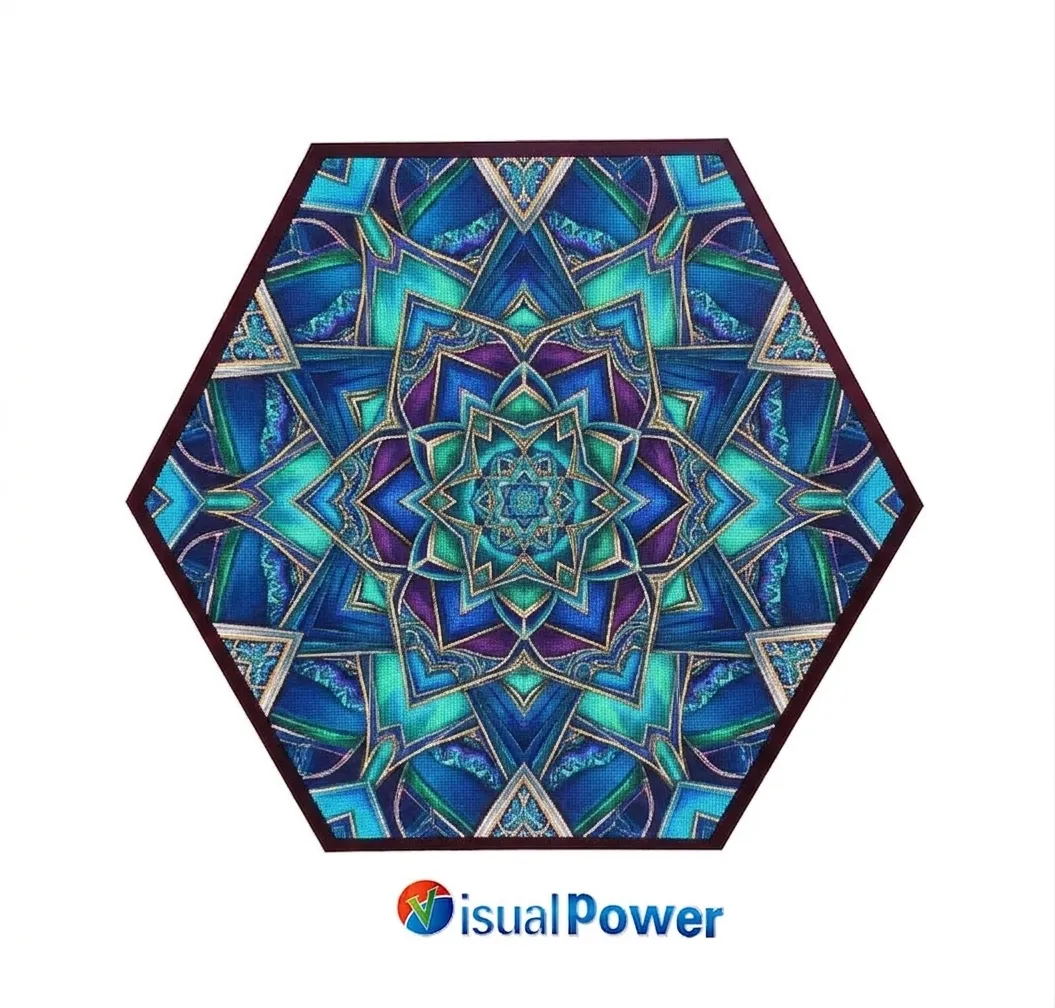 Hexagon LED Display: How Geometric Screens Are Transforming Modern Exhibitions
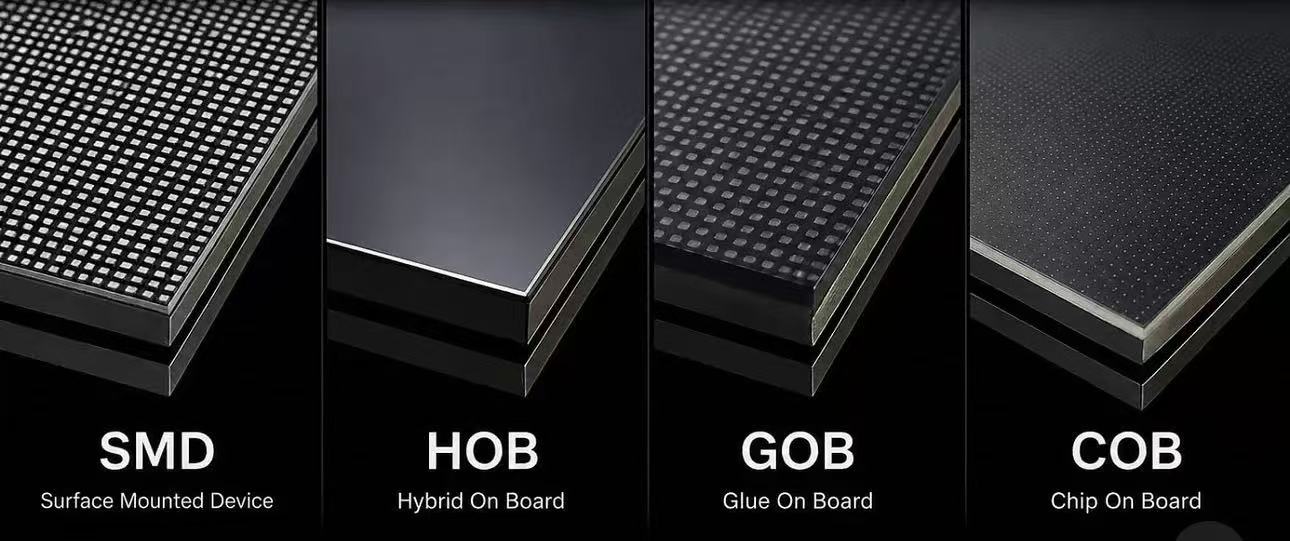 Difference of SMD GOB HOB COB LED display module
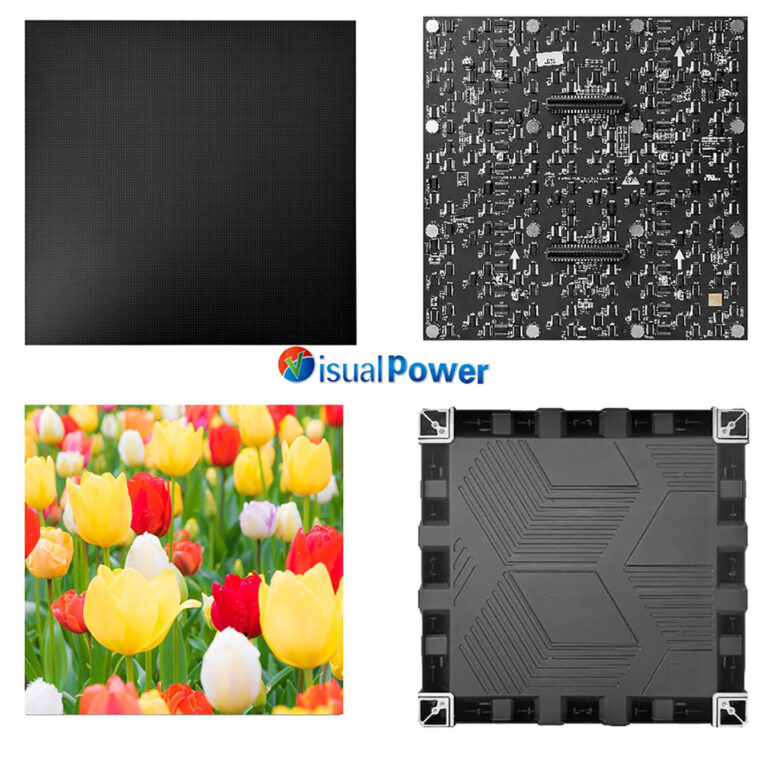 Why Museums Are Turning to Fine Pitch LED Displays for Better Visitor Engagement
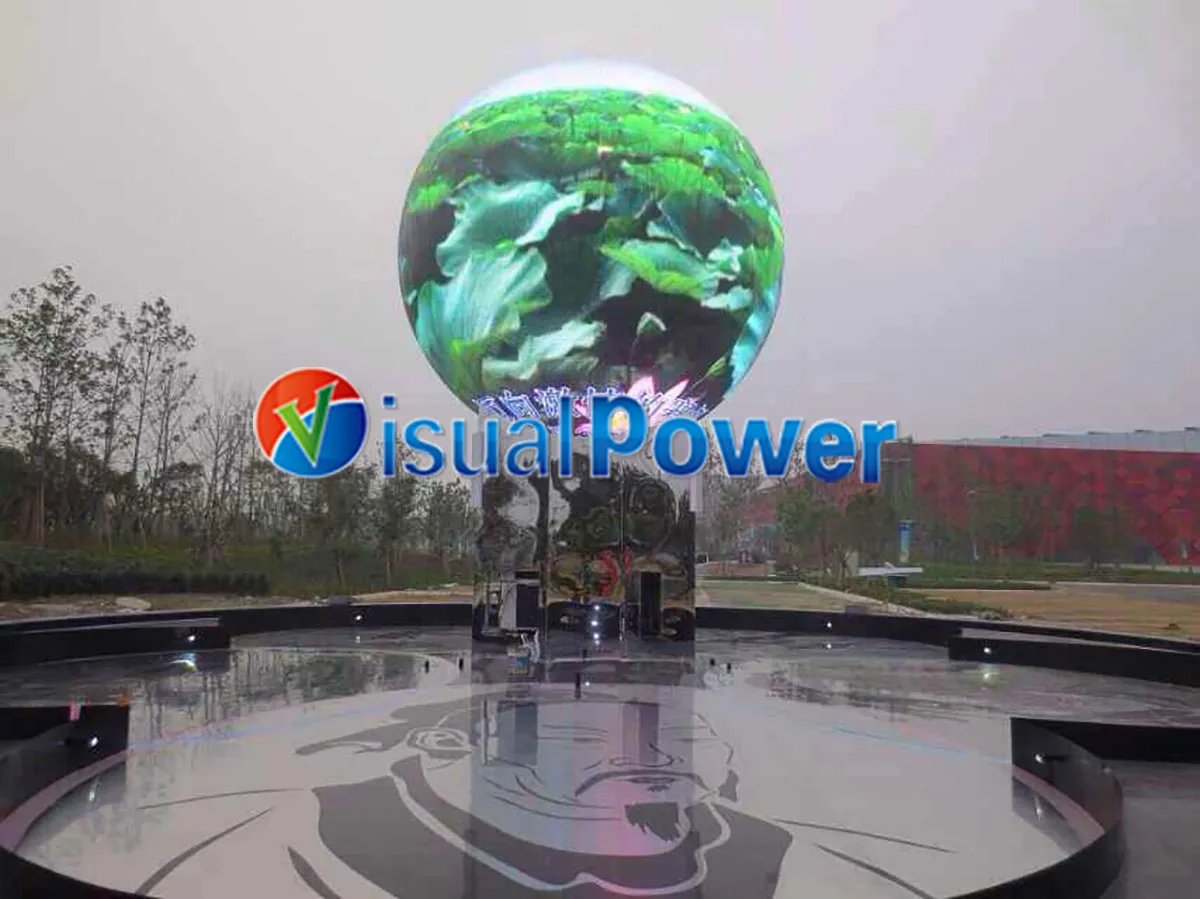 Sphere LED Display Industry Truths: Cost, Content, and Design Risks Explained

 Sales Manager