В первый раз я стоял прямо перед экраном с мелким шагом, На самом деле я наклонился, чтобы проверить, не обманывают ли меня мои глаза.. Детали были такими резкими, почти пугающе четкими., как будто кто-то снял сцену из фильма с катушки и повесил на стену.
Как человек, который любит вникать в детали, Меня не устраивало просто «выглядит хорошо». Я хотел понять, почему это так хорошо, как воспроизвести это качество в реальных проектах, и какие подводные камни легко не заметить. Ниже приводится опыт, который я накопил за годы игры с, оценивая, координация установки и наладки мелкошаговых светодиодных экранов — рассказано максимально доступно, от первого лица, как я могу. Я надеюсь помочь вам избежать ненужных отклонений при принятии решений..
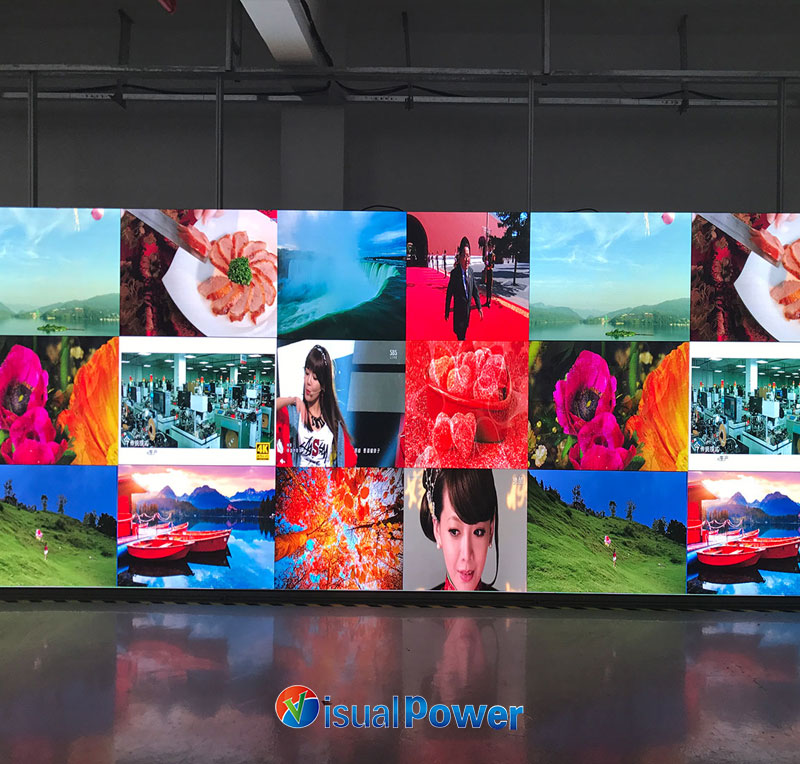
Что такое светодиодный дисплей с мелким шагом? (Раскройте понятие в одном предложении)
Для меня, “мелкий шаг” наконец-то щелкает, когда думаешь о крошечных промежутках между пикселями. Положим по-другому: чем меньше расстояние между пикселями, тем менее заметной становится каждая точка — поэтому вблизи изображение перестает выглядеть зернистым. На практике, что-нибудь с шагом пикселя примерно ниже 2 мм обычно называют мелким шагом. Вы часто будете видеть такие имена, как P0.9., P1.25, P1.56 и P1.875. Они применяются в различных сценариях., начиная от телестудий, командно-диспетчерские помещения, до элитных выставок и конференц-залов.
Почему я выбрал “микроинтервал” как предмет моего исследования? (Личная история)
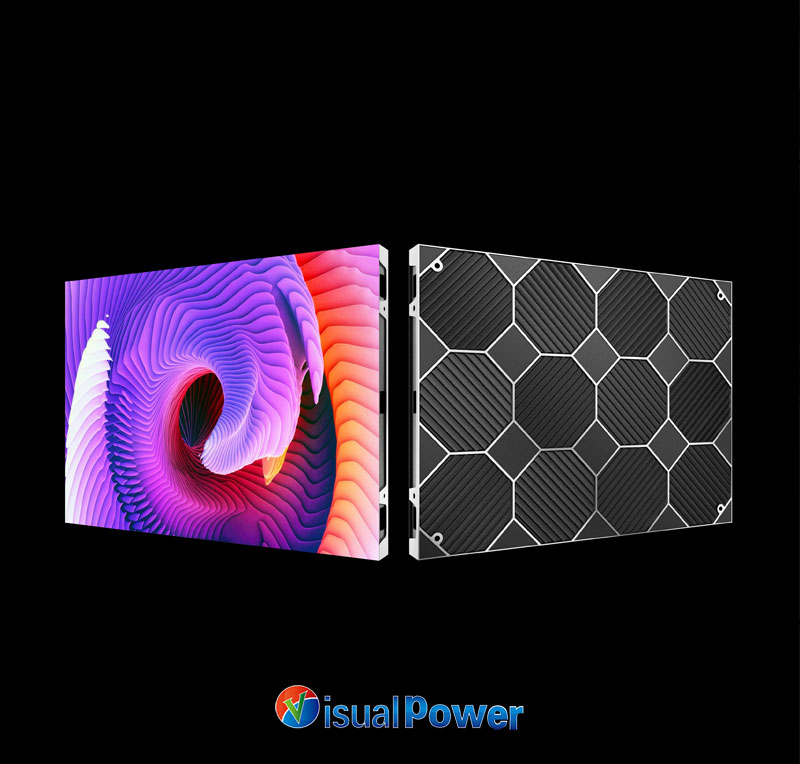
Однажды на выставке, Я стоял перед экраном P0.9. Детали кожи и края шрифта на картинке были настолько чистыми, что мне стало немного не по себе. – это была не просто техника демонстрации, но это напрямую улучшило эффективность связи. Позже, Я просмотрел множество страниц продуктов (включая продукцию таких производителей, как VisualPower, у которых были страницы параметров), и я обнаружил, что такие детали, как модульность, толщина, и вес изделия напрямую будут определять способ установки и сложность последующего обслуживания.. Если бы это не было продумано на начальном этапе планирования, бюджет проекта будет незаметно уменьшен на большую сумму.
Прежде чем выбирать шаг пикселя, есть фундаментальное правило, которое необходимо понимать (Расстояние = основная логика всего)
Удобное правило, которым я пользуюсь: умножьте шаг пикселя в миллиметрах примерно на 3.44 чтобы получить минимальное расстояние просмотра в метрах, где отдельные пиксели сливаются вместе.
Так примерно:
- P0,9 → ~3,1 м;
- P1,25 → ~4,3 м;
- P1,56 → ~5,4 м;
- 1875 песо → ~6,5 м.
Итак, прежде чем выбрать панель, проверьте, где на самом деле будут сидеть или стоять люди — сопоставьте поле с этим расстоянием, и вы получите гораздо большую рентабельность инвестиций как в плане денег, так и в плане воздействия..
Практическое предложение: Для сценариев, где требуется внимательное чтение текста или диаграмм., например, в конференц-залах, диспетчерские, и студии вещания, P0.9 – P1.56 должен иметь приоритет.; для торговых центров и больших фоновых экранов, можно рассмотреть больший интервал.
Быстрый совет: если людям нужно читать текст вблизи — подумайте о диспетчерских, студии, или конференц-залы — стремитесь к P0.9–P1.56.. Для фона торгового центра или удаленного просмотра, большие размеры - это нормально.
Хороший или плохой имидж зависит не только от “расстояние” – это зависит от этих трех факторов
Расстояние имеет значение, но еще три вещи обычно создают или разрушают окончательную картину:
Обновить & водить машину: Будет ли стена сниматься на видео или использоваться для живого видео, низкое обновление проявляется в виде мерцания или вращающихся артефактов, а высокое, постоянное обновление не подлежит обсуждению для работы в эфире.
Цвет & согласование яркости: Большая панель – это множество модулей; без точной калибровки вы увидите полосы или дрейф цвета. Поточечная коррекция имеет значение.
Упаковка (SMD/COB/МикроСИД): Упаковка светодиодов влияет на плотность, единообразие, удобство эксплуатации и срок службы — выбирайте исходя из своих компромиссов.
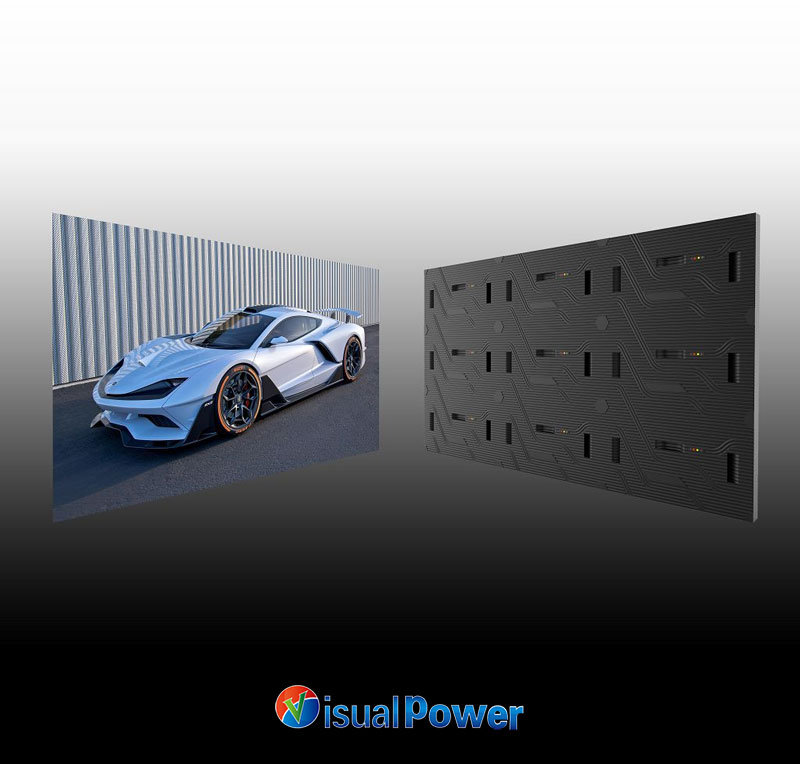
SMD, COB, МикроЛЭД: Как выбрать технологический маршрут в проекте
Здесь мнения обычно расходятся. Из проектов, в которых я участвовал, вот что я думаю о компромиссах:
Тип традиционной упаковки SMD., Я часто называю это “проверенный исполнитель” – у него зрелая технология и цена относительно разумная.. Самым важным моментом является то, что сломанные светодиоды можно заменить по отдельности., что очень удобно для обслуживающей бригады. Для большинства традиционных проектов внутри помещений, достаточно использовать этот тип.
Основное преимущество COB вполне очевидно.: чипы размещаются непосредственно ближе к подложке, в результате получается более гладкое общее изображение и более прочная поверхность.. Однако, этот тип сита требует высоких стандартов для процессов производства и калибровки.. Поэтому, важно на начальном этапе выбрать надежного производителя; в противном случае, процесс настройки цвета в дальнейшем будет очень хлопотным.
Что касается МикроЛЭД, его цвет и контраст поистине поразительны. Если смотреть вблизи, это почти похоже на печатный материал. Однако, текущая цена все еще высока, и массовое производство еще не до конца созрело. Он больше подходит для случаев, когда у вас большой бюджет и вы хотите создать дисплей флагманского уровня., например, элитные выставочные залы или студии.
Моя логика выбора довольно проста.: Первый, разложите сценарии использования и бюджет на столе, четко определить наиболее важные показатели, а затем посмотреть, какой технический маршрут может соответствовать этому сценарию. Например, если продукт необходимо часто снимать камерами, Я бы отдал приоритет COB или SMD с высокой частотой обновления.; в то время как для обычных фоновых стен торгового центра, экономичное SMD обычно является более надежным решением.
я собрал 12 элементы быстрой проверки для инженеров / покупатели / организаторы выставок (для удобного копирования и вставки):
- Каково среднее расстояние просмотра?
- Целевое разрешение (требуется ли 4K/8K)?
- Будут ли съемки или прямая трансляция?? (Если да, увеличить потребность в обновлении.)
- Вам нужно покрытие с низким коэффициентом отражения или антибликовое покрытие??
- Переднее или тыловое обслуживание?
- Готова ли конструкция резервного питания и охлаждения??
- Предоставляет ли поставщик инструменты и отчеты для точечной калибровки??
- Каков размер модуля и допуск на шов??
- Стратегия запасных частей — что вы будете иметь на складе?
- Согласованы ли интерфейсы с вашим видеопроцессором? (HDMI/SDI/IP)?
- Подготовили ли вы тестовые ресурсы? (серый пандус, цветные блоки, полосы движения) для демонстрации на месте?
- Критерии приемки и допуски на дефекты четко прописаны в контракте??
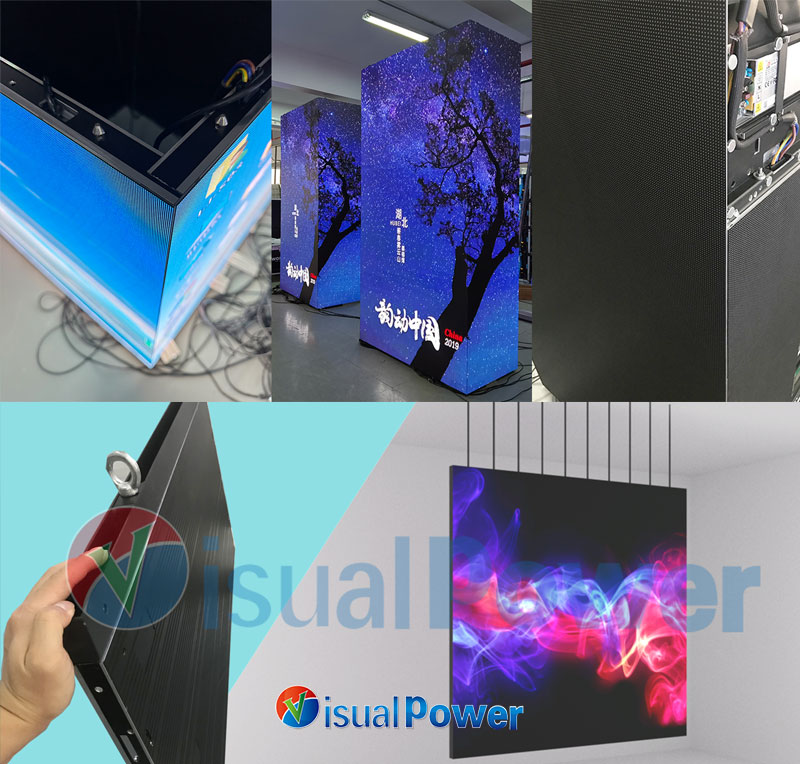
Информация о бренде и производителе (как я отношусь к таким производителям, как VisualPower)
Я рассматриваю страницы продуктов как базу данных спецификаций, а не как коммерческое предложение.. Такие сайты, как VisualPower, на которых перечислены презентации, размеры модулей, толщина и вес отлично подходят для быстрой проверки работоспособности, прежде чем вы попросите прототип.. Однако, спецификация — это только отправная точка: ничто не сравнится с реальной демонстрацией или личным образцом.
Мой вывод: Если вы хотите преобразить “красивые сцены” в “стабильные услуги”
Моя любовь к светодиодам Micro Spacing не вызвана стремлением к цифровому мастерству., а потому, что это действительно может повысить эффективность взаимодействия между людьми и информацией — возможность четко видеть номер тревоги в диспетчерской., чтение крошечных аннотаций на слайде в конференц-зале, или точное воспроизведение текстуры произведения искусства на выставке. Это “полезный” улучшения, не только ради визуальной привлекательности.
Если вы сейчас находитесь на стадии оценки проекта, мое предложение: расставьте приоритеты в прямой видимости и сценариях использования, поместите калибровочную и сигнальную цепь во второе положение, и поместим технологию упаковки и цену на третье место.. Выполнив эти три шага, 99% со временем вы избежите нескольких очень дорогостоящих ошибок.



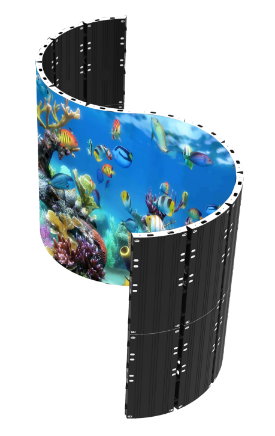 Светодиод отображает вопросы, о которых все спрашивают. 2026 (И где они работают лучше всего)
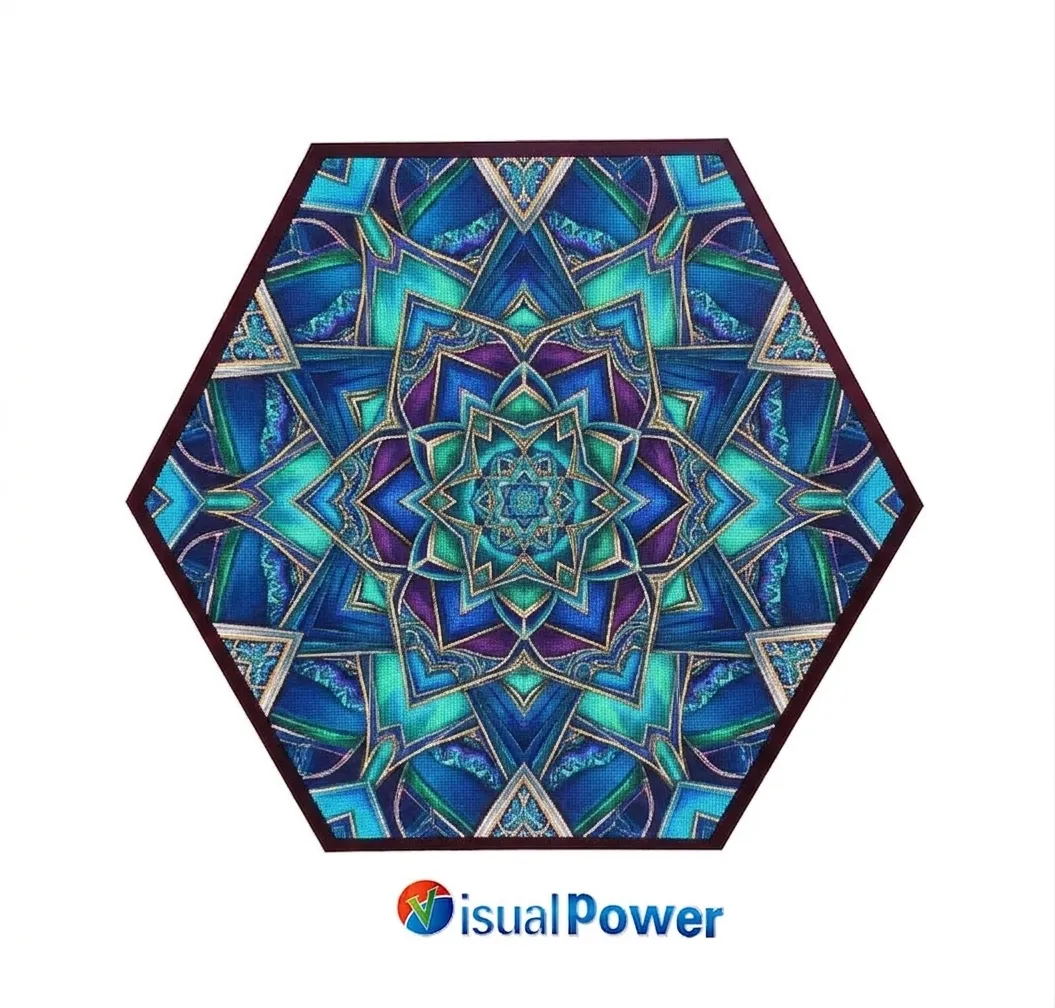 Светодиодный дисплей шестигранника: Как геометрические экраны меняют современные выставки
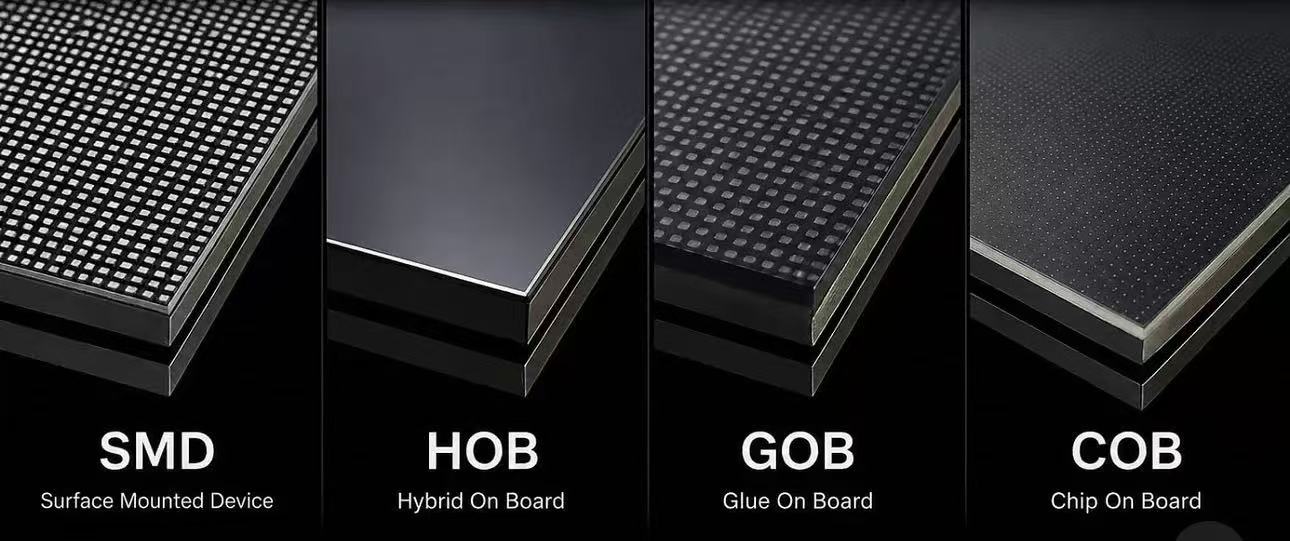 Отличие светодиодного модуля дисплея SMD GOB HOB COB
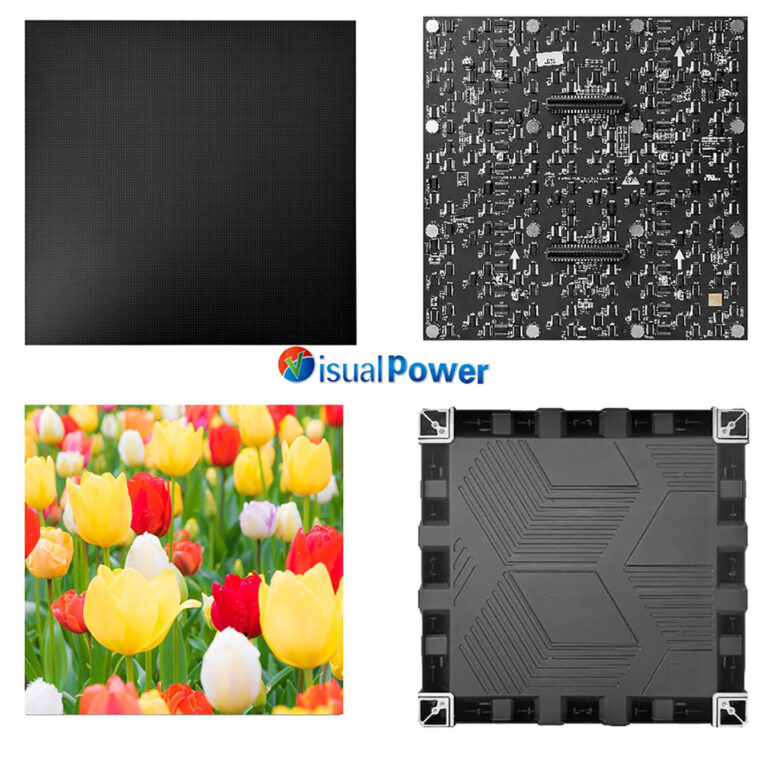 Почему музеи обращаются к светодиодным дисплеям с мелким шагом для лучшего взаимодействия с посетителями
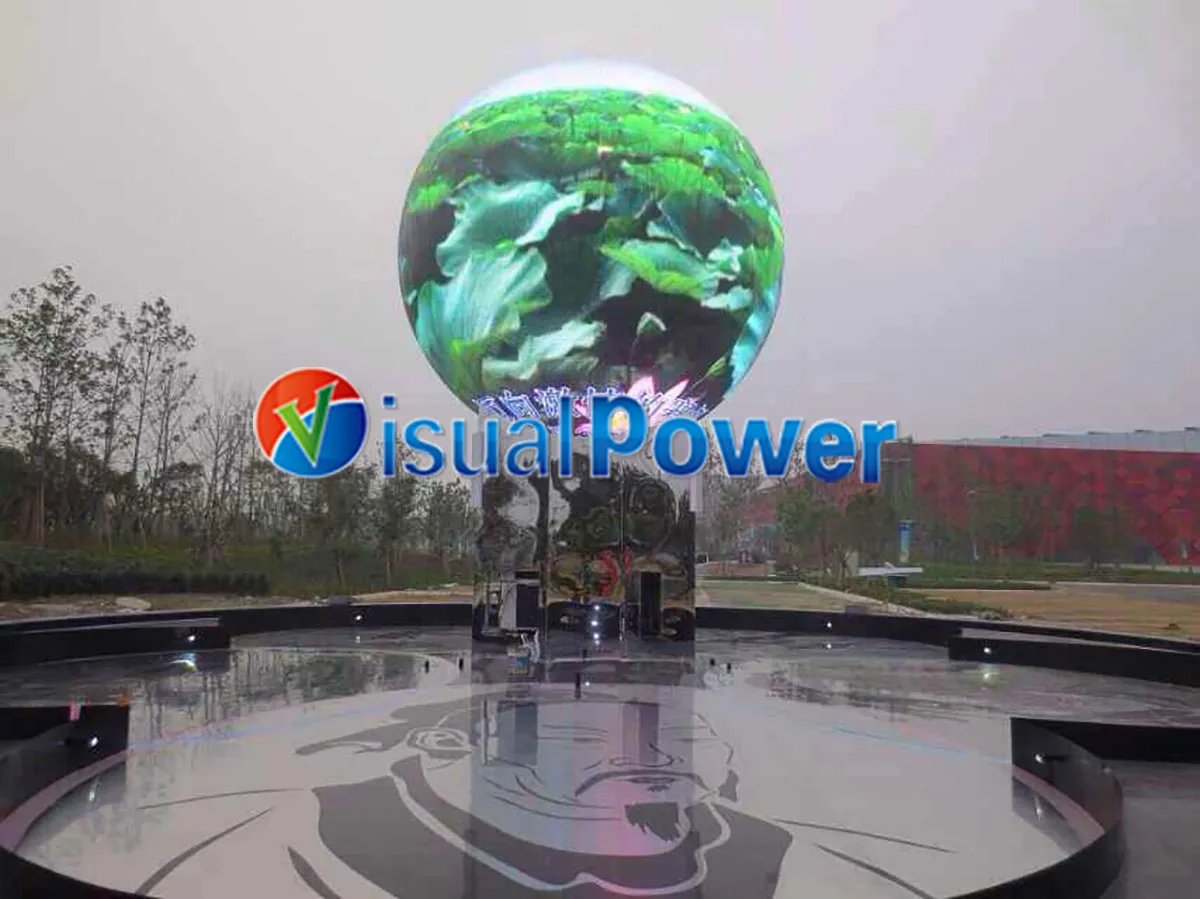 Истины об индустрии сферических светодиодных дисплеев: Расходы, Содержание, и объяснение проектных рисков

 Менеджер по продажам